


Animal Models of Alzheimer's Disease
- By Ammar Y. Jastaniah1
-
View Affiliations Hide Affiliations1 College of Pharmacy, Al Faisal University, Riyadh-11533, Saudi Arabia
- Source: Animal Models In Experimental Medicine , pp 101-118
- Publication Date: February 2024
- Language: English


Animal Models of Alzheimer's Disease, Page 1 of 1
< Previous page | Next page > /docserver/preview/fulltext/9789815196382/chapter-5-1.gif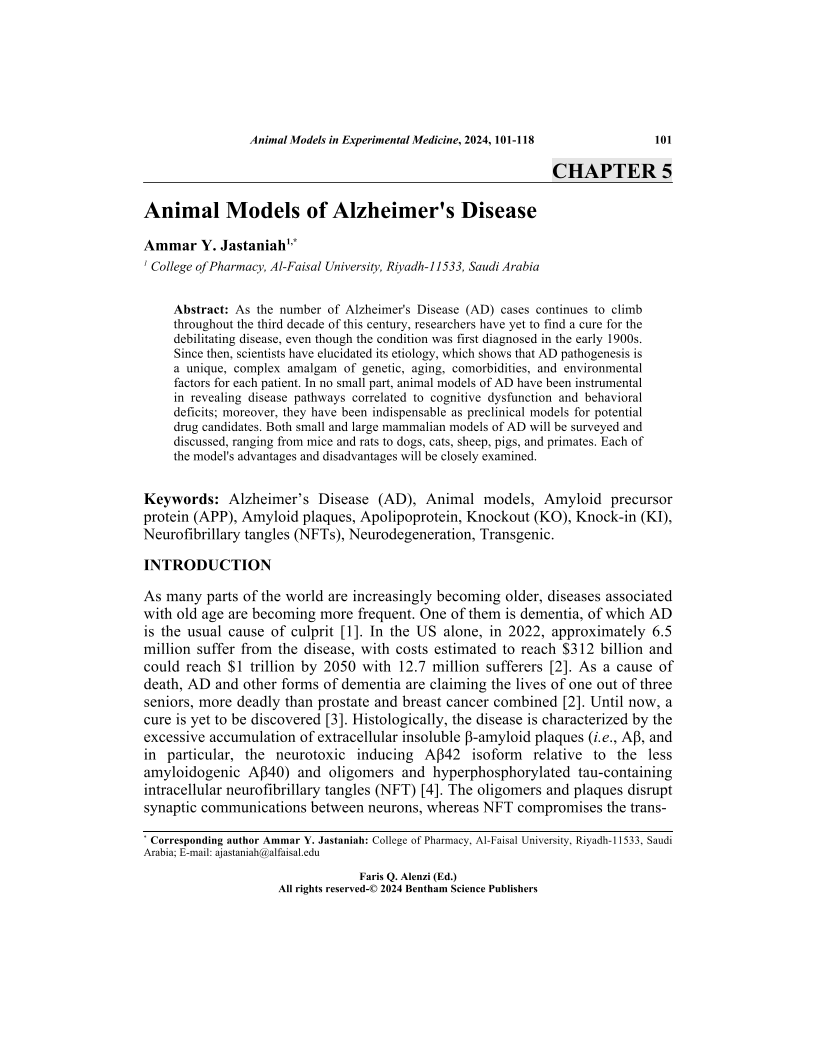
As the number of Alzheimer's Disease (AD) cases continues to climb throughout the third decade of this century, researchers have yet to find a cure for the debilitating disease, even though the condition was first diagnosed in the early 1900s. Since then, scientists have elucidated its etiology, which shows that AD pathogenesis is a unique, complex amalgam of genetic, aging, comorbidities, and environmental factors for each patient. In no small part, animal models of AD have been instrumental in revealing disease pathways correlated to cognitive dysfunction and behavioral deficits; moreover, they have been indispensable as preclinical models for potential drug candidates. Both small and large mammalian models of AD will be surveyed and discussed, ranging from mice and rats to dogs, cats, sheep, pigs, and primates. Each of the model's advantages and disadvantages will be closely examined.
-
From This Site
/content/books/9789815196382.chapter-5dcterms_subject,pub_keyword-contentType:Journal -contentType:Figure -contentType:Table -contentType:SupplementaryData105
