


An Overview of In Vivo Imaging Techniques
- Authors: Aysa Ostovaneh1, Yeliz Yildirim2
-
View Affiliations Hide Affiliations1 Department of Biotechnology, Ege University, Graduate School of Natural and Applied Sciences, 35100, İzmir, Türkiye 2 Department of Chemistry, Faculty of Science, Ege University, İzmir, Türkiye
- Source: Recent Progress in Pharmaceutical Nanobiotechnology: A Medical Perspective , pp 404-418
- Publication Date: December 2023
- Language: English


An Overview of In Vivo Imaging Techniques, Page 1 of 1
< Previous page | Next page > /docserver/preview/fulltext/9789815179422/chapter-14-1.gif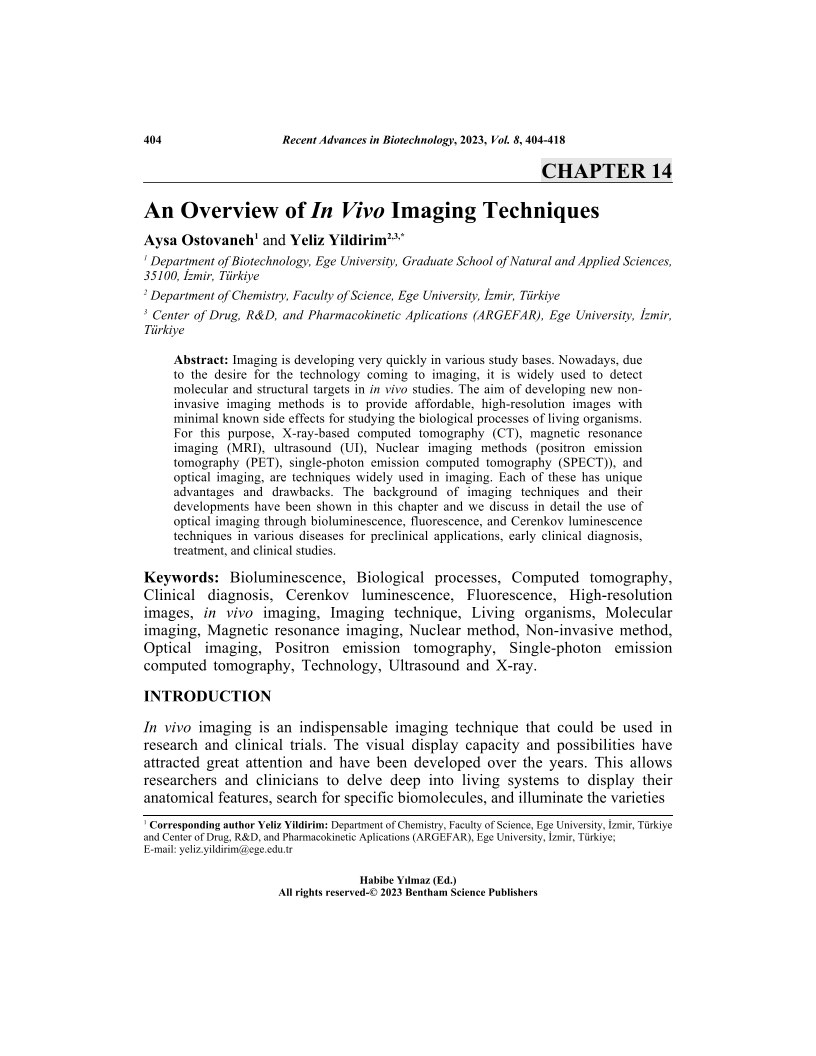
Imaging is developing very quickly in various study bases. Nowadays, due to the desire for the technology coming to imaging, it is widely used to detect molecular and structural targets in in vivo studies. The aim of developing new non-invasive imaging methods is to provide affordable, high-resolution images with minimal known side effects for studying the biological processes of living organisms. For this purpose, X-ray-based computed tomography (CT), magnetic resonance imaging (MRI), ultrasound (UI), Nuclear imaging methods (positron emission tomography (PET), single-photon emission computed tomography (SPECT)), and optical imaging, are techniques widely used in imaging. Each of these has unique advantages and drawbacks. The background of imaging techniques and their developments have been shown in this chapter and we discuss in detail the use of optical imaging through bioluminescence, fluorescence, and Cerenkov luminescence techniques in various diseases for preclinical applications, early clinical diagnosis, treatment, and clinical studies.
-
From This Site
/content/books/9789815179422.chapter-14dcterms_subject,pub_keyword-contentType:Journal -contentType:Figure -contentType:Table -contentType:SupplementaryData105
