


Biological Activities of Synthetic Derivatives of Xanthones: An Update (2016-2020)
- Authors: Cristina Scarpecci1, Sara Consalvi2
-
View Affiliations Hide Affiliations1 Department of Chemistry and Technologies of Drug, Sapienza University of Rome, P.le A. Moro 5, 00185 Rome, Italy 2 Department of Chemistry and Technologies of Drug, Sapienza University of Rome, P.le A. Moro 5, 00185 Rome, Italy
- Source: Flavonoids and Phenolics , pp 73-111
- Publication Date: November 2022
- Language: English


Biological Activities of Synthetic Derivatives of Xanthones: An Update (2016-2020), Page 1 of 1
< Previous page | Next page > /docserver/preview/fulltext/9789815079098/chapter-3-1.gif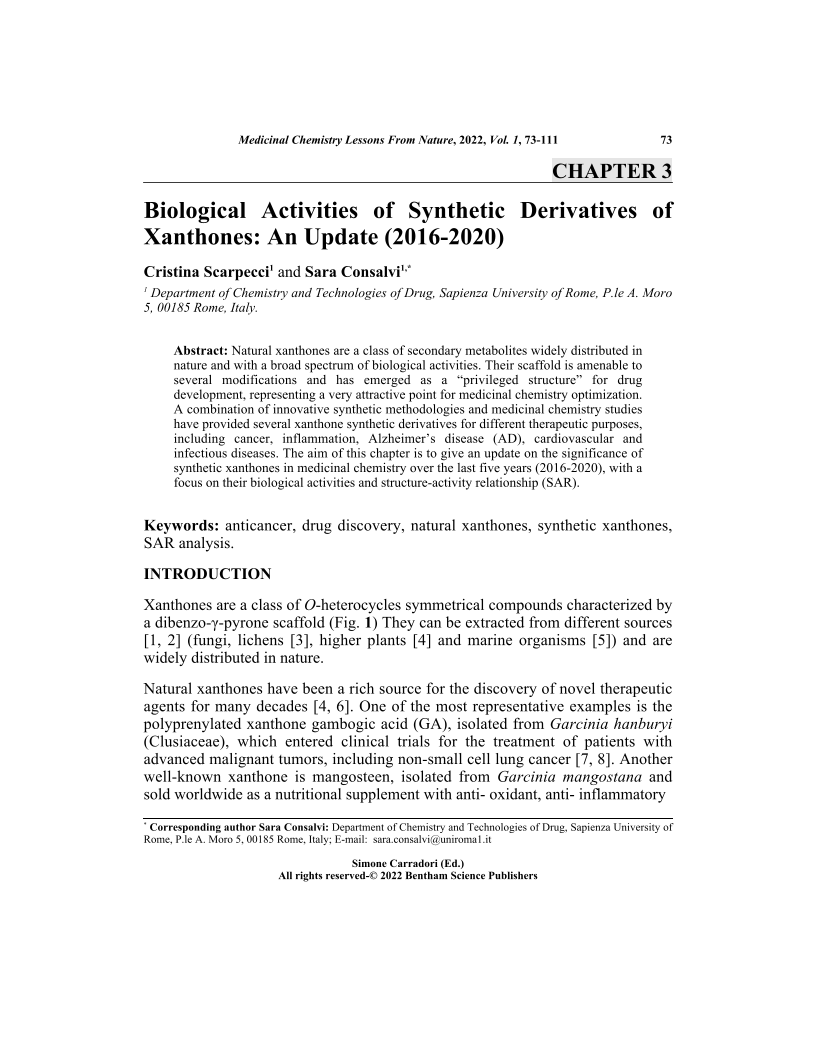
Natural xanthones are a class of secondary metabolites widely distributed in nature and with a broad spectrum of biological activities. Their scaffold is amenable to several modifications and has emerged as a "privileged structure" for drug development, representing a very attractive point for medicinal chemistry optimization. A combination of innovative synthetic methodologies and medicinal chemistry studies have provided several xanthone synthetic derivatives for different therapeutic purposes, including cancer, inflammation, Alzheimers disease (AD), cardiovascular and infectious diseases. The aim of this chapter is to give an update on the significance of synthetic xanthones in medicinal chemistry over the last five years (2016-2020), with a focus on their biological activities and structure-activity relationship (SAR).
-
From This Site
/content/books/9789815079098.chapter-3dcterms_subject,pub_keyword-contentType:Journal -contentType:Figure -contentType:Table -contentType:SupplementaryData105
