


Asthma in Adults: Evaluation, Prevalence, and its Clinical Management
- Authors: Mohd Mabood Khan1, Mahmood Ahmad Khan2, Mahboob Ahmad3, M Serajuddin4, Rafat Sultana Ahmed5, Shakeel Ahmad Qidwai6
-
View Affiliations Hide Affiliations1 Department of Zoology, University of Lucknow, Lucknow, U.P. 226007, India 2 Department of Biochemistry, UCMS & GTB Hospital, Dilshad Garden, Delhi 110095, India 3 Department of Biochemistry, Hind Institute of Medical Sciences, Sitapur, U.P. 261001, India 4 Department of Zoology, University of Lucknow, Lucknow, U.P. 226007, India 5 Department of Biochemistry, UCMS & GTB Hospital, Dilshad Garden, Delhi 110095, India 6 Department of Orthopaedic, Hind Institute of Medical Sciences, Sitapur, U.P. 261001 , India
- Source: Frontiers in Clinical Drug Research - Anti Allergy Agents: Volume 5 , pp 41-75
- Publication Date: April 2022
- Language: English


Asthma in Adults: Evaluation, Prevalence, and its Clinical Management, Page 1 of 1
< Previous page | Next page > /docserver/preview/fulltext/9789815040616/chap2-1.gif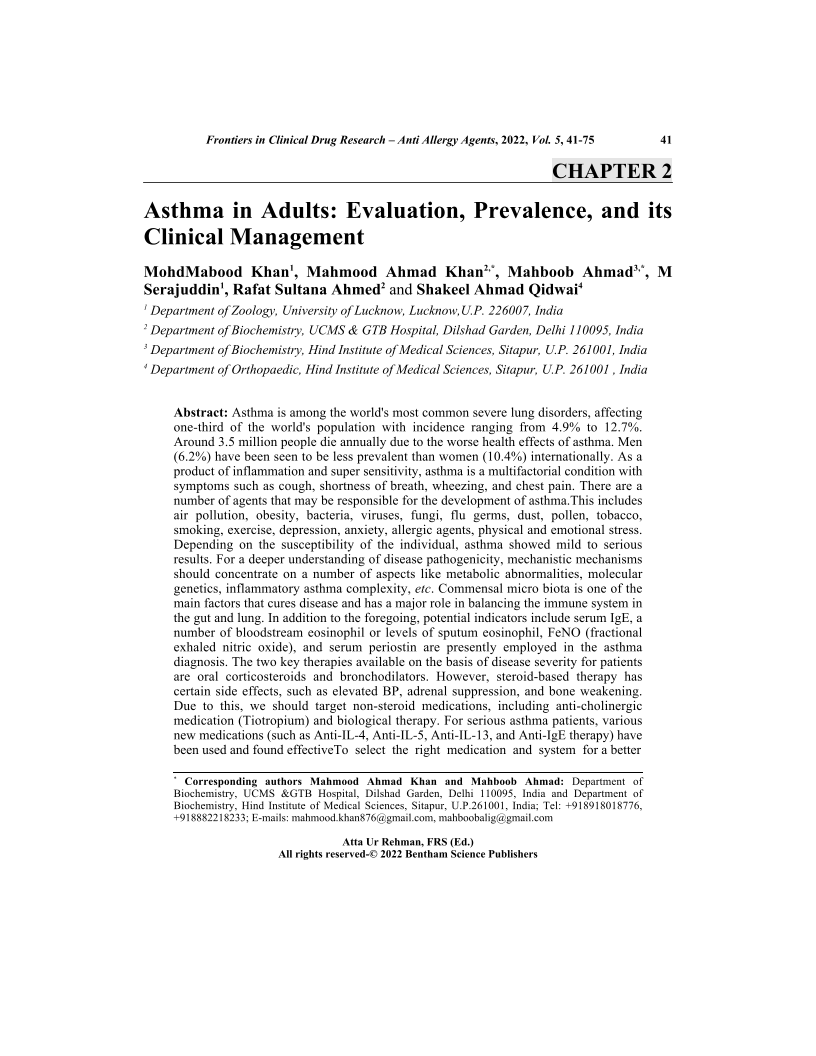
Asthma is among the world's most common severe lung disorders, affecting one-third of the world's population with incidence ranging from 4.9% to 12.7%. Around 3.5 million people die annually due to the worse health effects of asthma. Men (6.2%) have been seen to be less prevalent than women (10.4%) internationally. As a product of inflammation and super sensitivity, asthma is a multifactorial condition with symptoms such as cough, shortness of breath, wheezing, and chest pain. There are a number of agents that may be responsible for the development of asthma.This includes air pollution, obesity, bacteria, viruses, fungi, flu germs, dust, pollen, tobacco, smoking, exercise, depression, anxiety, allergic agents, physical and emotional stress. Depending on the susceptibility of the individual, asthma showed mild to serious results. For a deeper understanding of disease pathogenicity, mechanistic mechanisms should concentrate on a number of aspects like metabolic abnormalities, molecular genetics, inflammatory asthma complexity, etc. Commensal micro biota is one of the main factors that cures disease and has a major role in balancing the immune system in the gut and lung. In addition to the foregoing, potential indicators include serum IgE, a number of bloodstream eosinophil or levels of sputum eosinophil, FeNO (fractional exhaled nitric oxide), and serum periostin are presently employed in the asthma diagnosis. The two key therapies available on the basis of disease severity for patients are oral corticosteroids and bronchodilators. However, steroid-based therapy has certain side effects, such as elevated BP, adrenal suppression, and bone weakening. Due to this, we should target non-steroid medications, including anti-cholinergic medication (Tiotropium) and biological therapy. For serious asthma patients, various new medications (such as Anti-IL-4, Anti-IL-5, Anti-IL-13, and Anti-IgE therapy) have been used and found effectiveTo select the right medication and system for a better treatment plan, asthma patient requires proper review such as guidance, constancy, advice, drug alert, refill warning, notification warning, etc.
-
From This Site
/content/books/9789815040616.chap2dcterms_subject,pub_keyword-contentType:Journal -contentType:Figure -contentType:Table -contentType:SupplementaryData105
