


A Physiological Approach to Inflammatory Markers in Obesity
- Authors: Sila H. Bozdogan Polat1, Nuran Dariyerli Dariyerli2
-
View Affiliations Hide Affiliations1 Cerrahpaa Faculty of Medicine, Istanbul University Cerrahpaa, Istanbul, Turkey 2 Cerrahpaa Faculty of Medicine, Istanbul University-Cerrahpaa, Istanbul, Turkey
- Source: Biomarkers in Medicine , pp 626-654
- Publication Date: August 2022
- Language: English
Preview this chapter:


A Physiological Approach to Inflammatory Markers in Obesity, Page 1 of 1
< Previous page | Next page > /docserver/preview/fulltext/9789815040463/chap26-1.gif
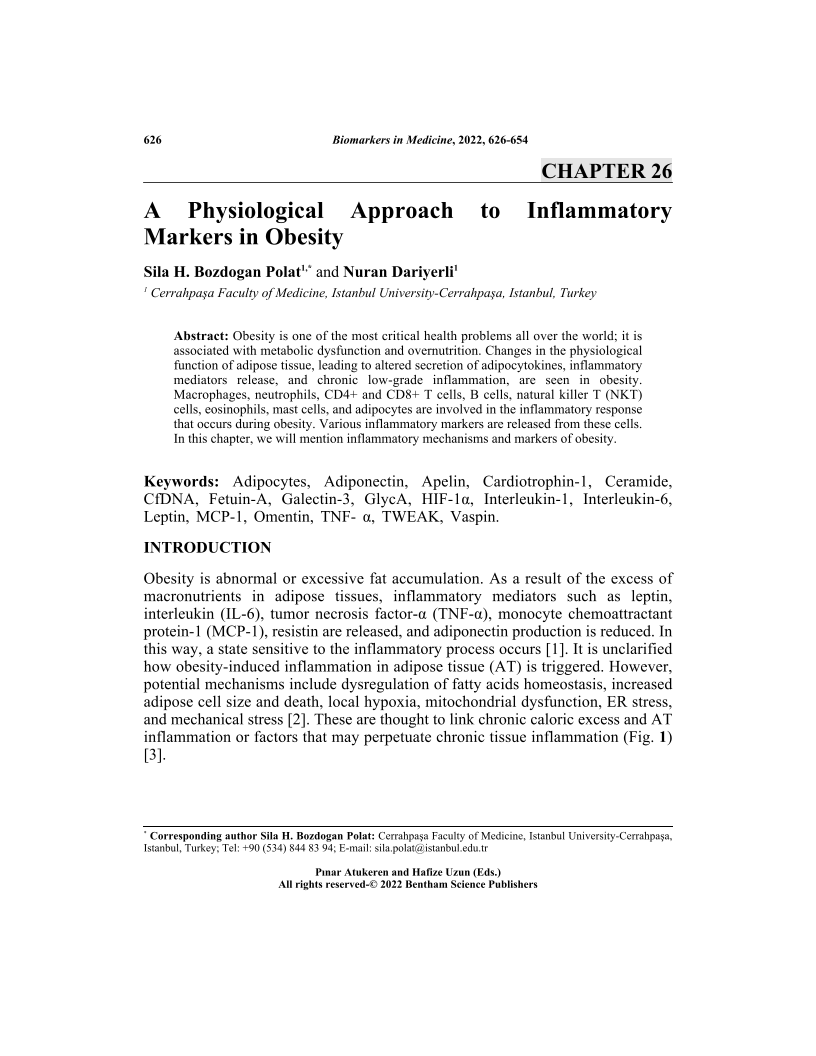
Obesity is one of the most critical health problems all over the world; it is associated with metabolic dysfunction and overnutrition. Changes in the physiological function of adipose tissue, leading to altered secretion of adipocytokines, inflammatory mediators release, and chronic low-grade inflammation, are seen in obesity. Macrophages, neutrophils, CD4+ and CD8+ T cells, B cells, natural killer T (NKT) cells, eosinophils, mast cells, and adipocytes are involved in the inflammatory response that occurs during obesity. Various inflammatory markers are released from these cells. In this chapter, we will mention inflammatory mechanisms and markers of obesity.
Hardbound ISBN:
9789815040470
Ebook ISBN:
9789815040463
-
From This Site
/content/books/9789815040463.chap26dcterms_subject,pub_keyword-contentType:Journal -contentType:Figure -contentType:Table -contentType:SupplementaryData105
/content/books/9789815040463.chap26
dcterms_subject,pub_keyword
-contentType:Journal -contentType:Figure -contentType:Table -contentType:SupplementaryData
10
5
Chapter
content/books/9789815040463
Book
false
en
