


Oxidative Stress Biomarkers in the Diagnosis and Prognosis
- By Pınar Atukeren1
-
View Affiliations Hide Affiliations1 Department of Medical Biochemistry, Cerrahpasa Medical Faculty, Istanbul University Cerrahpasa, Istanbul, Turkey | Faculty of Pharmacy, Istanbul University-Cerrahpasa, Istanbul, Turkey
- Source: Biomarkers in Medicine , pp 555-564
- Publication Date: August 2022
- Language: English


Oxidative Stress Biomarkers in the Diagnosis and Prognosis, Page 1 of 1
< Previous page | Next page > /docserver/preview/fulltext/9789815040463/chap21-1.gif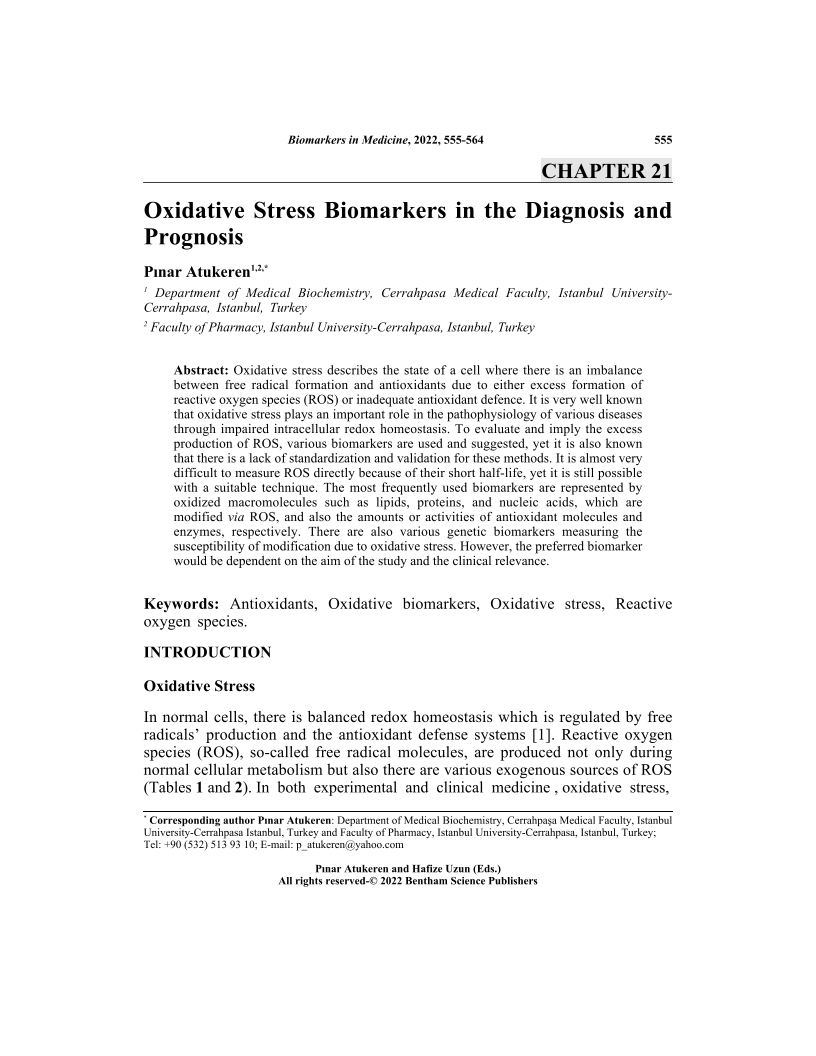
Oxidative stress describes the state of a cell where there is an imbalance between free radical formation and antioxidants due to either excess formation of reactive oxygen species (ROS) or inadequate antioxidant defence. It is very well known that oxidative stress plays an important role in the pathophysiology of various diseases through impaired intracellular redox homeostasis. To evaluate and imply the excess production of ROS, various biomarkers are used and suggested, yet it is also known that there is a lack of standardization and validation for these methods. It is almost very difficult to measure ROS directly because of their short half-life, yet it is still possible with a suitable technique. The most frequently used biomarkers are represented by oxidized macromolecules such as lipids, proteins, and nucleic acids, which are modified via ROS, and also the amounts or activities of antioxidant molecules and enzymes, respectively. There are also various genetic biomarkers measuring the susceptibility of modification due to oxidative stress. However, the preferred biomarker would be dependent on the aim of the study and the clinical relevance.
-
From This Site
/content/books/9789815040463.chap21dcterms_subject,pub_keyword-contentType:Journal -contentType:Figure -contentType:Table -contentType:SupplementaryData105
