


Pharmacogenomic Biomarkers

- Authors: Zeynep Gizem Todurga Seven1, Deniz Özen2, Sibel Özyazgan3
-
View Affiliations Hide Affiliations1 Department of Medical Pharmacology, Cerrahpasa Medical Faculty, Istanbul University Cerrahpasa, Istanbul, Turkey 2 Department of Medical Pharmacology, Cerrahpasa Medical Faculty, Istanbul University-Cerrahpasa, Istanbul, Turkey 3 Department of Medical Pharmacology, Cerrahpasa Medical Faculty, Istanbul University-Cerrahpasa, Istanbul, Turkey
- Source: Biomarkers in Medicine , pp 309-377
- Publication Date: August 2022
- Language: English


Pharmacogenomic Biomarkers, Page 1 of 1
< Previous page | Next page > /docserver/preview/fulltext/9789815040463/chap12-1.gif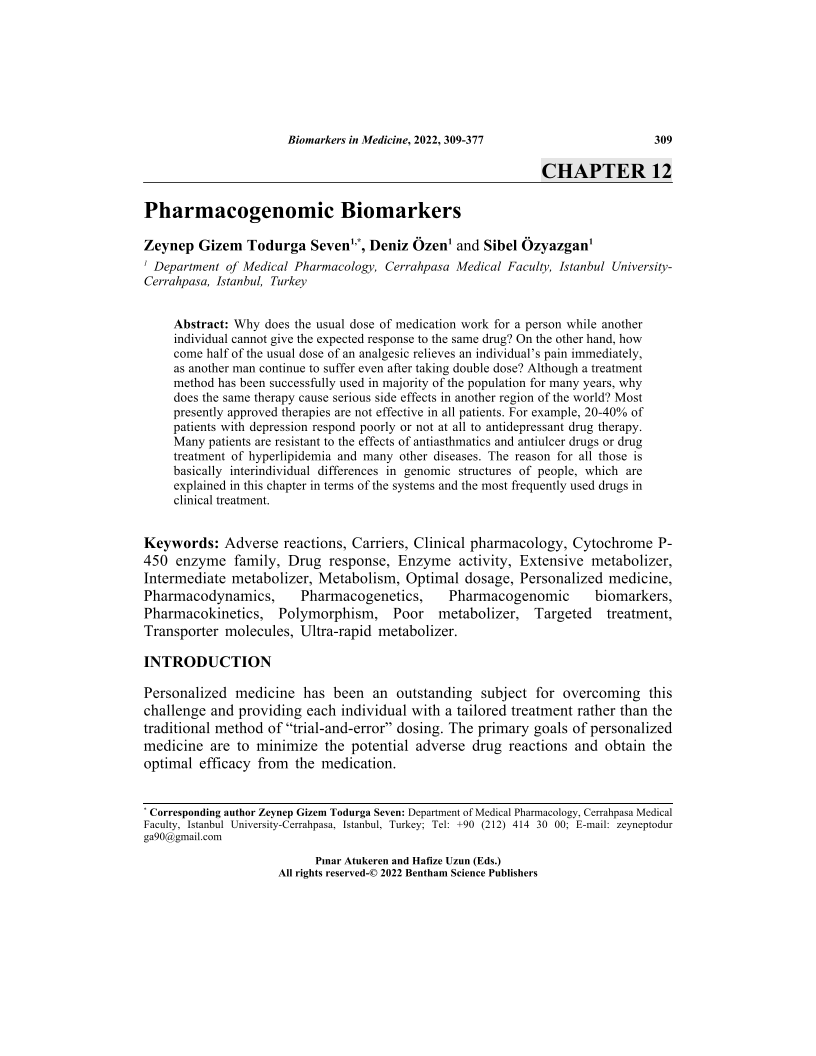
Why does the usual dose of medication work for a person while another individual cannot give the expected response to the same drug? On the other hand, how come half of the usual dose of an analgesic relieves an individual’s pain immediately, as another man continue to suffer even after taking double dose? Although a treatment method has been successfully used in majority of the population for many years, why does the same therapy cause serious side effects in another region of the world? Most presently approved therapies are not effective in all patients. For example, 20-40% of patients with depression respond poorly or not at all to antidepressant drug therapy. Many patients are resistant to the effects of antiasthmatics and antiulcer drugs or drug treatment of hyperlipidemia and many other diseases. The reason for all those is basically interindividual differences in genomic structures of people, which are explained in this chapter in terms of the systems and the most frequently used drugs in clinical treatment.
-
From This Site
/content/books/9789815040463.chap12dcterms_subject,pub_keyword-contentType:Journal -contentType:Figure -contentType:Table -contentType:SupplementaryData105
