


Hepatocellular Carcinoma and Therapeutic Challenges
- By Somenath Datta1
-
View Affiliations Hide Affiliations1 Duke Molecular Physiology Institute (DMPI), Duke University School of Medicine, Durham, North Carolina, USA
- Source: Nanotherapeutics for the Treatment of Hepatocellular Carcinoma , pp 98-122
- Publication Date: March 2022
- Language: English


Hepatocellular Carcinoma and Therapeutic Challenges, Page 1 of 1
< Previous page | Next page > /docserver/preview/fulltext/9789815039740/chapter-2-1.gif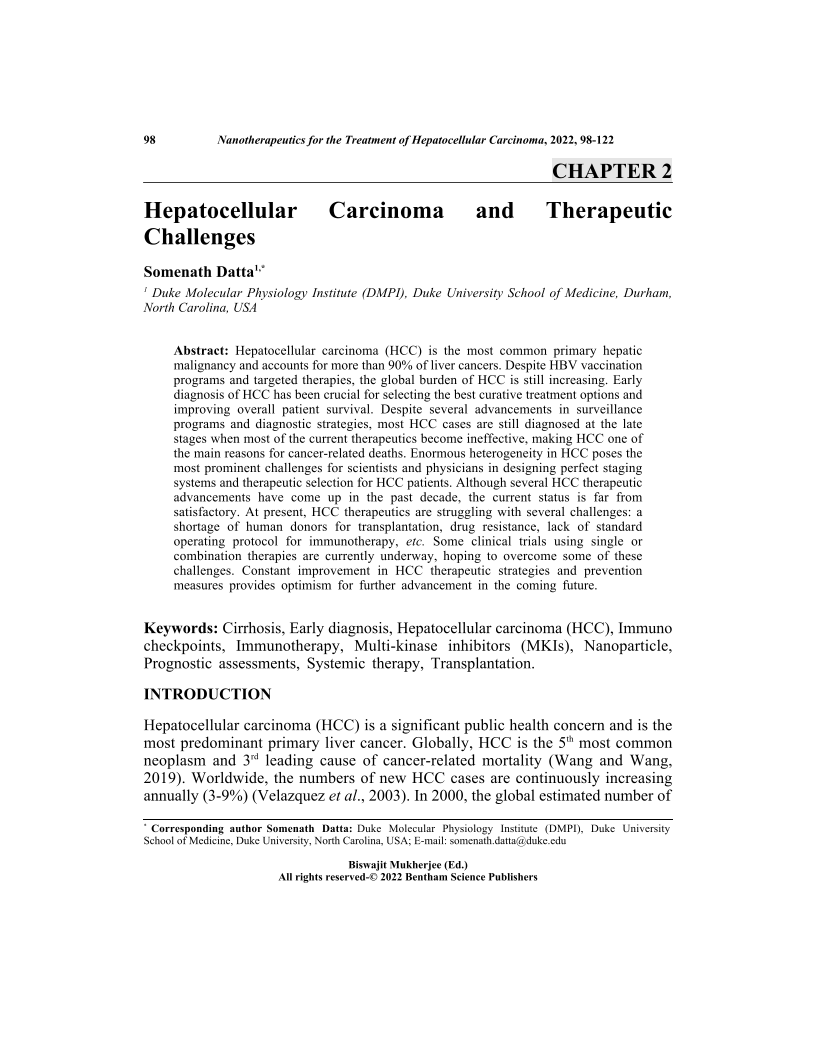
Hepatocellular carcinoma (HCC) is the most common primary hepaticmalignancy and accounts for more than 90% of liver cancers. Despite HBV vaccinationprograms and targeted therapies, the global burden of HCC is still increasing. Earlydiagnosis of HCC has been crucial for selecting the best curative treatment options andimproving overall patient survival. Despite several advancements in surveillanceprograms and diagnostic strategies, most HCC cases are still diagnosed at the latestages when most of the current therapeutics become ineffective, making HCC one ofthe main reasons for cancer-related deaths. Enormous heterogeneity in HCC poses themost prominent challenges for scientists and physicians in designing perfect stagingsystems and therapeutic selection for HCC patients. Although several HCC therapeuticadvancements have come up in the past decade, the current status is far fromsatisfactory. At present, HCC therapeutics are struggling with several challenges: ashortage of human donors for transplantation, drug resistance, lack of standardoperating protocol for immunotherapy, etc. Some clinical trials using single orcombination therapies are currently underway, hoping to overcome some of thesechallenges. Constant improvement in HCC therapeutic strategies and preventionmeasures provides optimism for further advancement in the coming future.
-
From This Site
/content/books/9789815039740.chapter-2dcterms_subject,pub_keyword-contentType:Journal -contentType:Figure -contentType:Table -contentType:SupplementaryData105
