


Preeclampsia: Biological and Clinical Aspects
- Authors: Tamil Mani Subi1, Anand K Purushothaman2, Everette J R Nelson3, Meganathan Kannan4
-
View Affiliations Hide Affiliations1 Blood and Vascular Biology Research Lab, Department of Life Sciences, School of Life Sciences, Central University of Tamil Nadu, Tiruvarur 610 005, India 2 Gene Therapy Laboratory, Department of Integrative Biology, School of Bio Sciences and Technology, Vellore Institute of Technology, Vellore 632 014, India 3 Gene Therapy Laboratory, Department of Integrative Biology, School of Bio Sciences and Technology, Vellore Institute of Technology, Vellore 632 014, India 4 Blood and Vascular Biology Research Lab, Department of Life Sciences, School of Life Sciences, Central University of Tamil Nadu, Tiruvarur 610 005, India
- Source: Frontiers in Clinical Drug Research - Hematology: Volume 5 , pp 133-153
- Publication Date: February 2022
- Language: English


Preeclampsia: Biological and Clinical Aspects, Page 1 of 1
< Previous page | Next page > /docserver/preview/fulltext/9789815039535/chapter-4-1.gif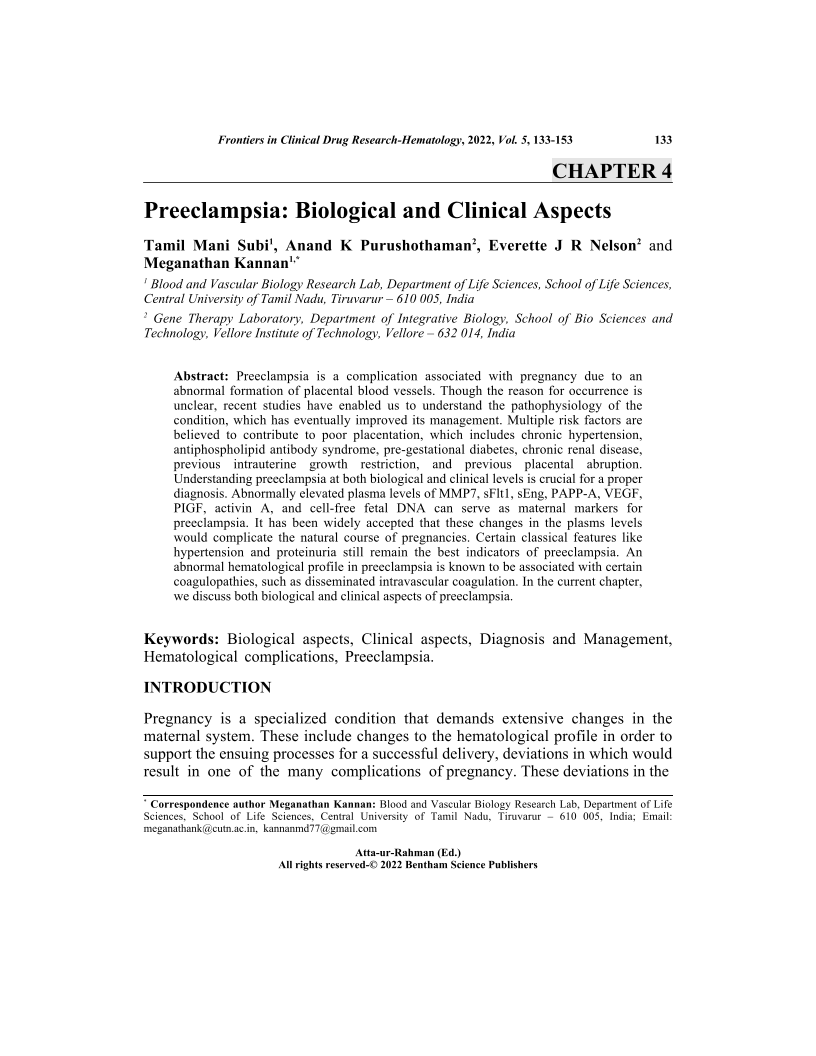
Preeclampsia is a complication associated with pregnancy due to anabnormal formation of placental blood vessels. Though the reason for occurrence isunclear, recent studies have enabled us to understand the pathophysiology of thecondition, which has eventually improved its management. Multiple risk factors arebelieved to contribute to poor placentation, which includes chronic hypertension,antiphospholipid antibody syndrome, pre-gestational diabetes, chronic renal disease,previous intrauterine growth restriction, and previous placental abruption.Understanding preeclampsia at both biological and clinical levels is crucial for a properdiagnosis. Abnormally elevated plasma levels of MMP7, sFlt1, sEng, PAPP-A, VEGF,PIGF, activin A, and cell-free fetal DNA can serve as maternal markers forpreeclampsia. It has been widely accepted that these changes in the plasms levelswould complicate the natural course of pregnancies. Certain classical features likehypertension and proteinuria still remain the best indicators of preeclampsia. Anabnormal hematological profile in preeclampsia is known to be associated with certaincoagulopathies, such as disseminated intravascular coagulation. In the current chapter,we discuss both biological and clinical aspects of preeclampsia.
-
From This Site
/content/books/9789815039535.chapter-4dcterms_subject,pub_keyword-contentType:Journal -contentType:Figure -contentType:Table -contentType:SupplementaryData105
