


Beta Glucan and Lyme Disease (lD)
- By Betül Gürünlü1
-
View Affiliations Hide Affiliations1 "Üsküdar Üniversitesi, Biyomühendislik Bölümü, Merkez Yerleşke A Blok 325/AAltunizade, Üsküdar, İstanbul, Turkey"
- Source: Medical Applications of Beta-Glucan , pp 115-120
- Publication Date: January 2022
- Language: English


Beta Glucan and Lyme Disease (lD), Page 1 of 1
< Previous page | Next page > /docserver/preview/fulltext/9789815039238/chapter-12-1.gif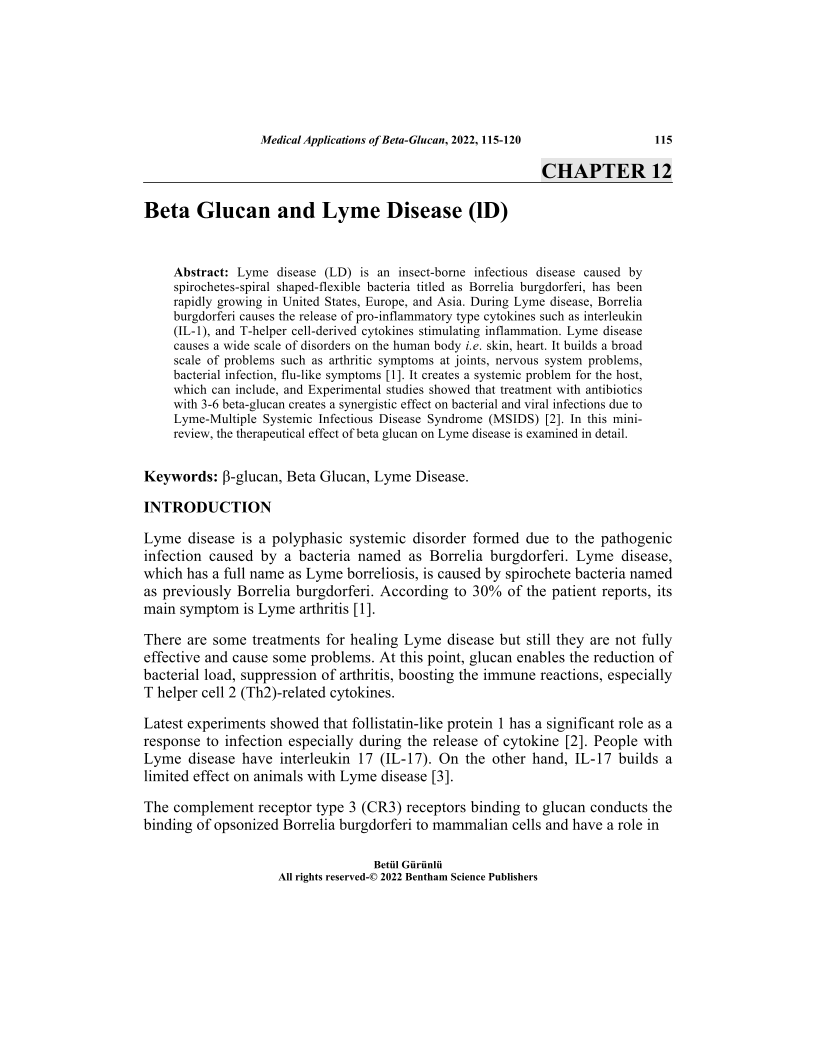
<div>Lyme disease (LD) is an insect-borne infectious disease caused by</div><div>spirochetes-spiral shaped-flexible bacteria titled as Borrelia burgdorferi, has been</div><div>rapidly growing in United States, Europe, and Asia. During Lyme disease, Borrelia</div><div>burgdorferi causes the release of pro-inflammatory type cytokines such as interleukin</div><div>(IL-1), and T-helper cell-derived cytokines stimulating inflammation. Lyme disease</div><div>causes a wide scale of disorders on the human body i.e. skin, heart. It builds a broad</div><div>scale of problems such as arthritic symptoms at joints, nervous system problems,</div><div>bacterial infection, flu-like symptoms [1]. It creates a systemic problem for the host,</div><div>which can include, and Experimental studies showed that treatment with antibiotics</div><div>with 3-6 beta-glucan creates a synergistic effect on bacterial and viral infections due to</div><div>Lyme-Multiple Systemic Infectious Disease Syndrome (MSIDS) [2]. In this minireview,</div><div>the therapeutical effect of beta glucan on Lyme disease is examined in detail. </div>
-
From This Site
/content/books/9789815039238.chapter-12dcterms_subject,pub_keyword-contentType:Journal -contentType:Figure -contentType:Table -contentType:SupplementaryData105
