


Feline Rabies

- By Paulo Eduardo Brandão1
-
View Affiliations Hide Affiliations1 Department of Preventive Veterinary Medicine and Animal Health, School of Veterinary Medicine, University of São Paulo, São Paulo, SP, Brazil
- Source: Emerging Trends in Veterinary Virology , pp 53-60
- Publication Date: March 2022
- Language: English


Feline Rabies, Page 1 of 1
< Previous page | Next page > /docserver/preview/fulltext/9789815036961/chapter-4-1.gif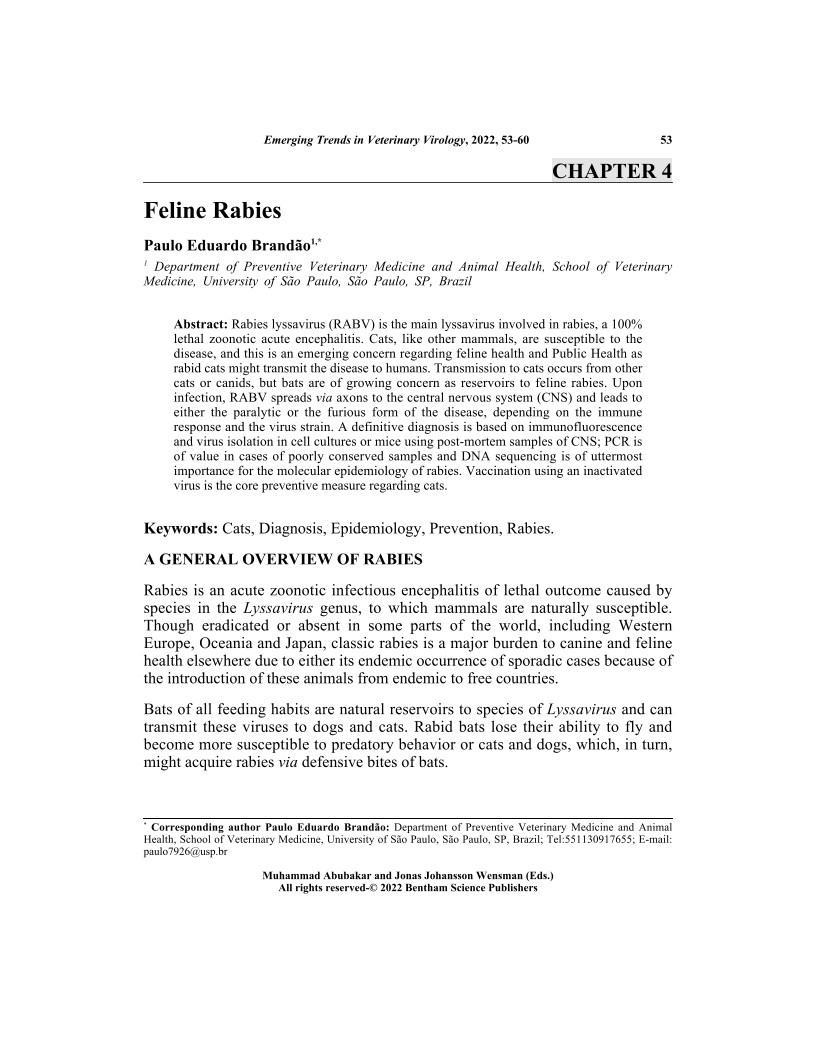
Rabies lyssavirus (RABV) is the main lyssavirus involved in rabies, a 100%lethal zoonotic acute encephalitis. Cats, like other mammals, are susceptible to thedisease, and this is an emerging concern regarding feline health and Public Health asrabid cats might transmit the disease to humans. Transmission to cats occurs from othercats or canids, but bats are of growing concern as reservoirs to feline rabies. Uponinfection, RABV spreads via axons to the central nervous system (CNS) and leads toeither the paralytic or the furious form of the disease, depending on the immuneresponse and the virus strain. A definitive diagnosis is based on immunofluorescenceand virus isolation in cell cultures or mice using post-mortem samples of CNS; PCR isof value in cases of poorly conserved samples and DNA sequencing is of uttermostimportance for the molecular epidemiology of rabies. Vaccination using an inactivatedvirus is the core preventive measure regarding cats.
-
From This Site
/content/books/9789815036961.chapter-4dcterms_subject,pub_keyword-contentType:Journal -contentType:Figure -contentType:Table -contentType:SupplementaryData105
