


Anti-Browning Agents
- Authors: Faiza Mumtaz, Fazlullah Khan, Kamal Niaz3
-
View Affiliations Hide Affiliations3 Department of Pharmacology and Toxicology, Faculty of Bio Sciences, Cholistan University of Veterinary and Animal Sciences (CUVAS), Bahawalpur-63100 , Pakistan
- Source: Food Additives and Human Health , pp 37-60
- Publication Date: April 2020
- Language: English


Anti-Browning Agents, Page 1 of 1
< Previous page | Next page > /docserver/preview/fulltext/9789811446139/chapter-3-1.gif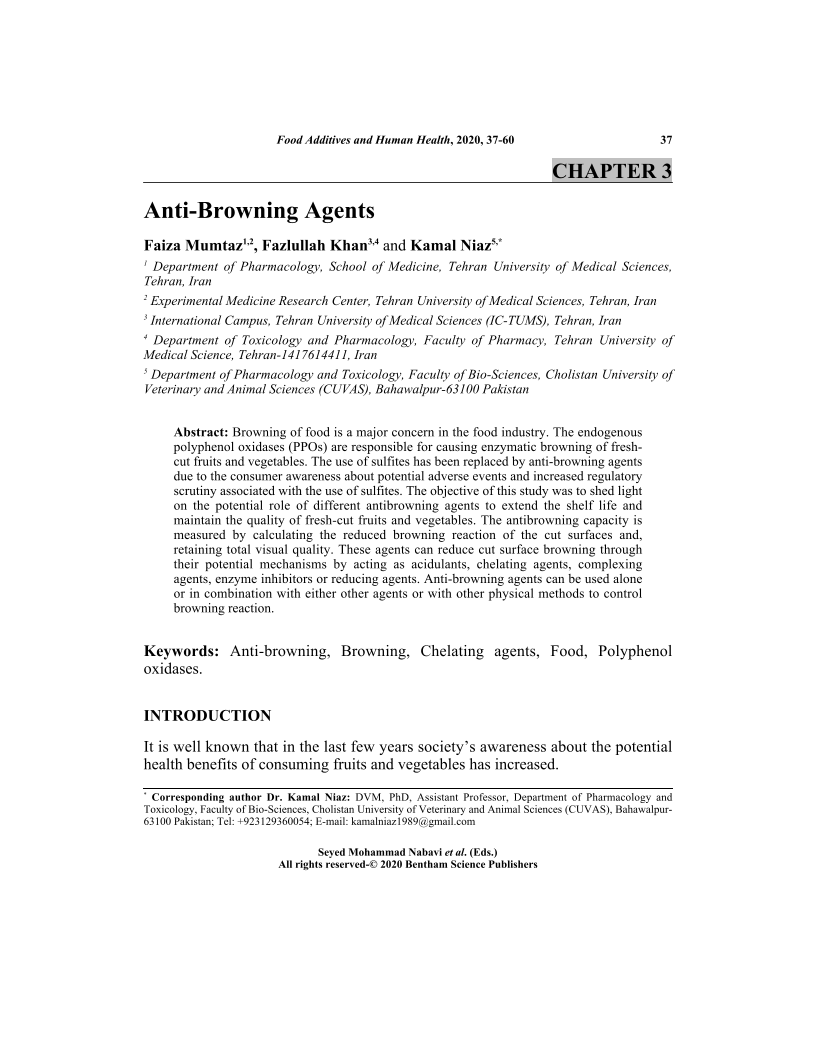
Browning of food is a major concern in the food industry. The endogenous polyphenol oxidases (PPOs) are responsible for causing enzymatic browning of freshcut fruits and vegetables. The use of sulfites has been replaced by anti-browning agents due to the consumer awareness about potential adverse events and increased regulatory scrutiny associated with the use of sulfites. The objective of this study was to shed light on the potential role of different antibrowning agents to extend the shelf life and maintain the quality of fresh-cut fruits and vegetables. The antibrowning capacity is measured by calculating the reduced browning reaction of the cut surfaces and, retaining total visual quality. These agents can reduce cut surface browning through their potential mechanisms by acting as acidulants, chelating agents, complexing agents, enzyme inhibitors or reducing agents. Anti-browning agents can be used alone or in combination with either other agents or with other physical methods to control browning reaction.
-
From This Site
/content/books/9789811446139.chapter-3dcterms_subject,pub_keyword-contentType:Journal -contentType:Figure -contentType:Table -contentType:SupplementaryData105
