


Coriander Seeds: Ethno-medicinal, Phytochemical and Pharmacological Profile
- Authors: Samra Bashir1, Asif Safdar
-
View Affiliations Hide Affiliations1 Department of Pharmacy, Capital University of Science and Technology, Islamabad, Pakistan
- Source: Science of Spices and Culinary Herbs - Latest Laboratory, Pre-clinical, and Clinical Studies: Volume 2 , pp 39-64
- Publication Date: August 2020
- Language: English


Coriander Seeds: Ethno-medicinal, Phytochemical and Pharmacological Profile, Page 1 of 1
< Previous page | Next page > /docserver/preview/fulltext/9789811441493/chapter-3-1.gif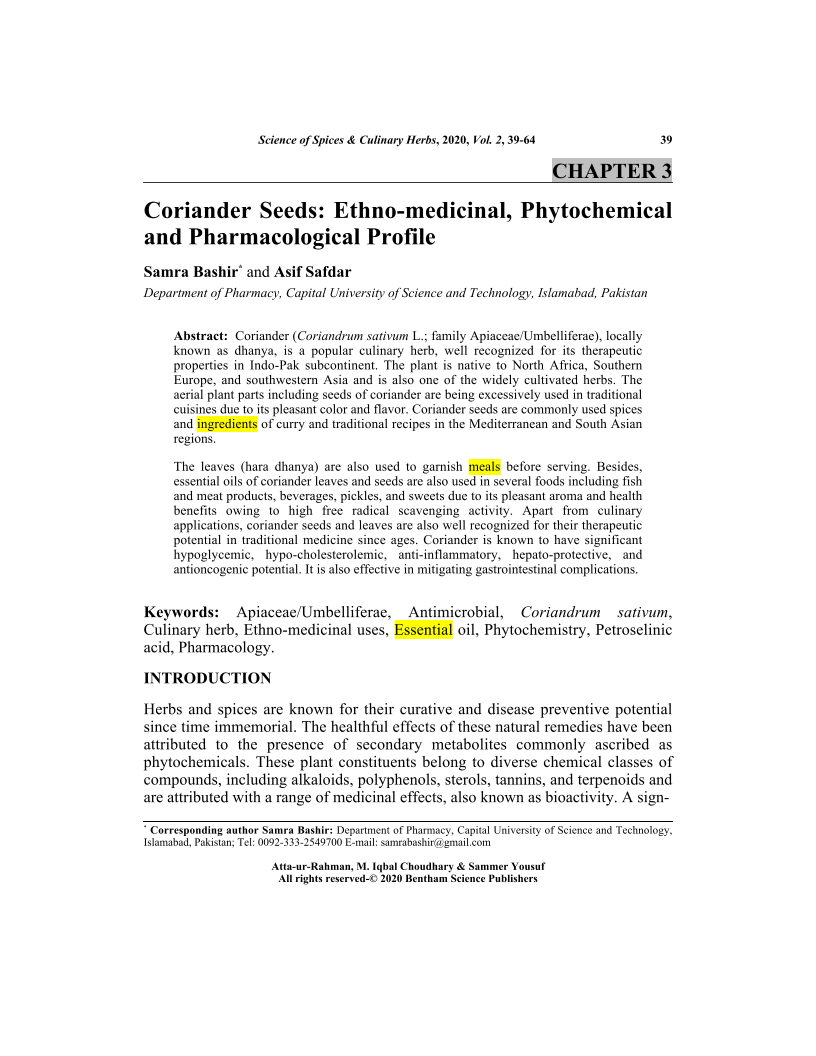
Coriander (Coriandrum sativum L.; family Apiaceae/Umbelliferae), locally known as dhanya, is a popular culinary herb, well recognized for its therapeutic properties in Indo-Pak subcontinent. The plant is native to North Africa, Southern Europe, and southwestern Asia and is also one of the widely cultivated herbs. The aerial plant parts including seeds of coriander are being excessively used in traditional cuisines due to its pleasant color and flavor. Coriander seeds are commonly used spices and ingredients of curry and traditional recipes in the Mediterranean and South Asian regions.
The leaves (hara dhanya) are also used to garnish meals before serving. Besides, essential oils of coriander leaves and seeds are also used in several foods including fish and meat products, beverages, pickles, and sweets due to its pleasant aroma and health benefits owing to high free radical scavenging activity. Apart from culinary applications, coriander seeds and leaves are also well recognized for their therapeutic potential in traditional medicine since ages. Coriander is known to have significant hypoglycemic, hypo-cholesterolemic, anti-inflammatory, hepato-protective, and antioncogenic potential. It is also effective in mitigating gastrointestinal complications.
-
From This Site
/content/books/9789811441493.chapter-3dcterms_subject,pub_keyword-contentType:Journal -contentType:Figure -contentType:Table -contentType:SupplementaryData105
