


Neuroprotective Effects of Polyphenols
- Authors: Ali Imran1, Javeria Maqbool2, Azhar Rasul3, Haseeb Anwar4, Shoaib Ahmad Malik5, Rabia Akram6, Faiqa Sajid7, Amna Rashid Tariq8, Muhammad Umair Arshad9, Ghulam Hussain10
-
View Affiliations Hide Affiliations1 Institute of Home and Food Sciences, Government College University, Faisalabad, Pakistan 2 Neurochemicalbiology and Genetics Laboratory (NGL), Department of Physiology, Faculty of Life Sciences, Government College University, Faisalabad, Pakistan 3 Department of Zoology, Faculty of Life Sciences, Government College University Faisalabad, Pakistan 4 Neurochemicalbiology and Genetics Laboratory (NGL), Department of Physiology, Faculty of Life Sciences, Government College University, Faisalabad, Pakistan 5 Department of Biochemistry, Sargodha Medical College, University of Sargodha, Sargodha, Pakistan 6 Neurochemicalbiology and Genetics Laboratory (NGL), Department of Physiology, Faculty of Life Sciences, Government College University, Faisalabad, Pakistan 7 Neurochemicalbiology and Genetics Laboratory (NGL), Department of Physiology, Faculty of Life Sciences, Government College University, Faisalabad, Pakistan 8 Institute of Molecular Biology and Biotechnology, University of Lahore, Lahore, Pakistan 9 Institute of Home and Food Sciences, Government College University, Faisalabad, Pakistan 10 Neurochemicalbiology and Genetics Laboratory (NGL), Department of Physiology, Faculty of Life Sciences, Government College University, Faisalabad, Pakistan
- Source: Frontiers in Natural Product Chemistry: Volume 8 , pp 146-172
- Publication Date: December 2021
- Language: English


Neuroprotective Effects of Polyphenols, Page 1 of 1
< Previous page | Next page > /docserver/preview/fulltext/9781681089379/chapter-4-1.gif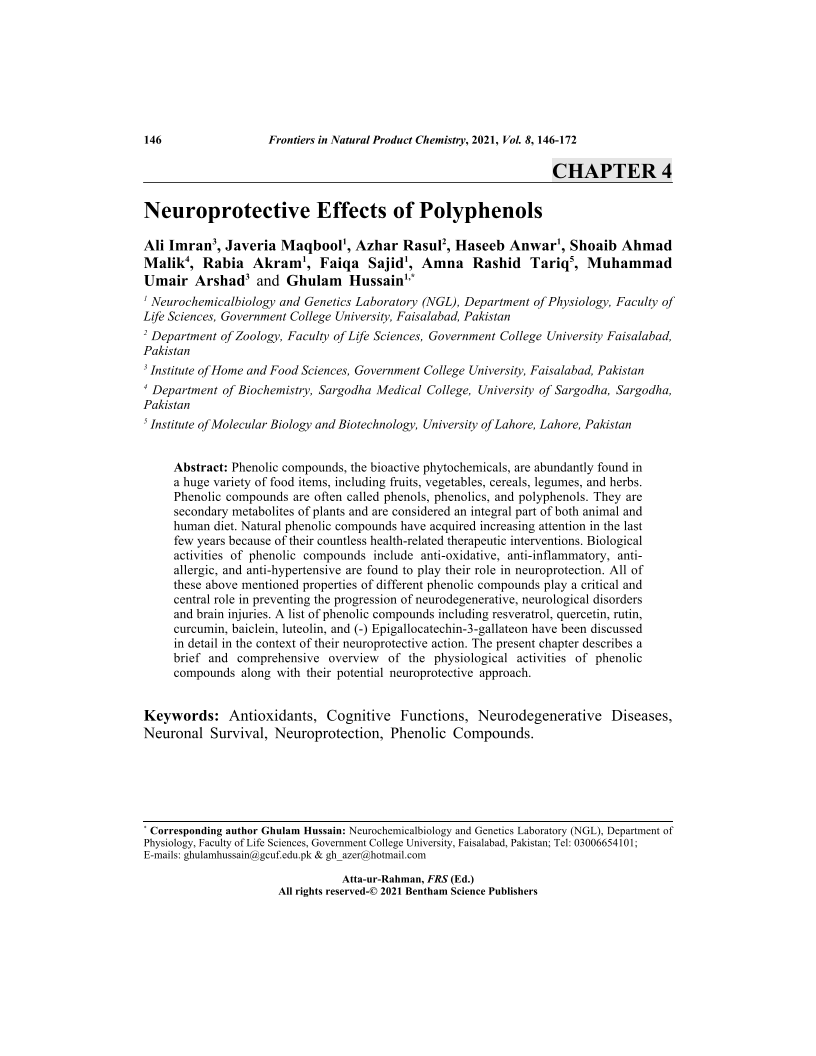
Phenolic compounds, the bioactive phytochemicals, are abundantly found in a huge variety of food items, including fruits, vegetables, cereals, legumes, and herbs. Phenolic compounds are often called phenols, phenolics, and polyphenols. They are secondary metabolites of plants and are considered an integral part of both animal and human diet. Natural phenolic compounds have acquired increasing attention in the last few years because of their countless health-related therapeutic interventions. Biological activities of phenolic compounds include anti-oxidative, anti-inflammatory, antiallergic, and anti-hypertensive are found to play their role in neuroprotection. All of these above mentioned properties of different phenolic compounds play a critical and central role in preventing the progression of neurodegenerative, neurological disorders and brain injuries. A list of phenolic compounds including resveratrol, quercetin, rutin, curcumin, baiclein, luteolin, and (-) Epigallocatechin-3-gallateon have been discussed in detail in the context of their neuroprotective action. The present chapter describes a brief and comprehensive overview of the physiological activities of phenolic compounds along with their potential neuroprotective approach.
-
From This Site
/content/books/9781681089379.chapter-4dcterms_subject,pub_keyword-contentType:Journal -contentType:Figure -contentType:Table -contentType:SupplementaryData105
