


Phytochemical, Nutritional and Pharmacological Properties of Unconventional Native Fruits and Vegetables from Brazil
- Authors: Maria Fernanda Frankelin, Tatiane Francielli Vieira, Jessica Amanda Andrade Garcia, Rubia Carvalho Gomes Correa, Antonio Roberto Giriboni Monteiro, Adelar Bracht, Rosane Marina Peralta7
-
View Affiliations Hide Affiliations7 Post graduate Program of Food Science, Universidade Estadual de Maringa, Maringa, Parana, Brazil.
- Source: Phytochemicals in Vegetables: A Valuable Source of Bioactive Compounds , pp 444-472
- Publication Date: November 2018
- Language: English


Phytochemical, Nutritional and Pharmacological Properties of Unconventional Native Fruits and Vegetables from Brazil, Page 1 of 1
< Previous page | Next page > /docserver/preview/fulltext/9781681087399/chapter-12-1.gif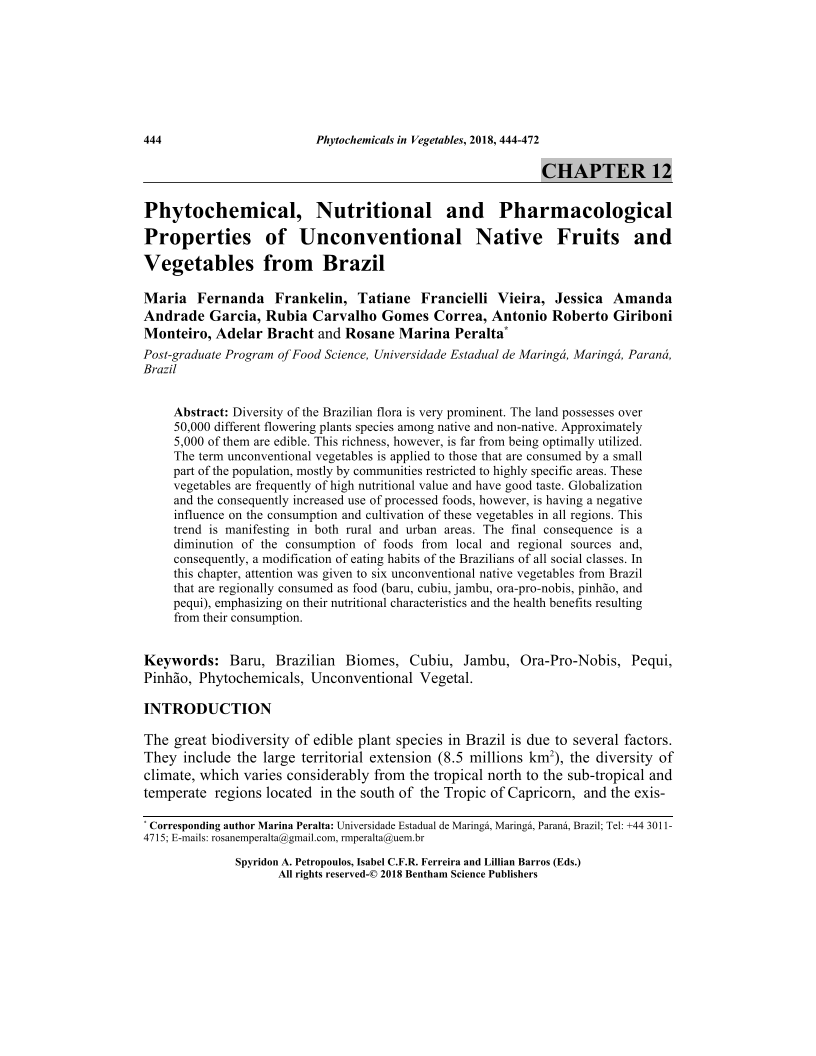
Diversity of the Brazilian flora is very prominent. The land possesses over 50,000 different flowering plants species among native and non-native. Approximately 5,000 of them are edible. This richness, however, is far from being optimally utilized. The term unconventional vegetables is applied to those that are consumed by a small part of the population, mostly by communities restricted to highly specific areas. These vegetables are frequently of high nutritional value and have good taste. Globalization and the consequently increased use of processed foods, however, is having a negative influence on the consumption and cultivation of these vegetables in all regions. This trend is manifesting in both rural and urban areas. The final consequence is a diminution of the consumption of foods from local and regional sources and, consequently, a modification of eating habits of the Brazilians of all social classes. In this chapter, attention was given to six unconventional native vegetables from Brazil that are regionally consumed as food (baru, cubiu, jambu, ora-pro-nobis, pinhão, and pequi), emphasizing on their nutritional characteristics and the health benefits resulting from their consumption.
-
From This Site
/content/books/9781681087399.chapter-12dcterms_subject,pub_keyword-contentType:Journal -contentType:Figure -contentType:Table -contentType:SupplementaryData105
