


Bioactive Compounds of Chestnuts as Health Promoters
- Authors: Teresa Delgado, Jose A. Pereira, Susana Casal, Elsa Ramalhosa4
-
View Affiliations Hide Affiliations4 Mountain Research Centre (CIMO) School of Agriculture, Polytechnic Institute of Braganca, Braganca, Portugal.
- Source: Natural Bioactive Compounds from Fruits and Vegetables as Health Promoters: Part II , pp 132-154
- Publication Date: May 2016
- Language: English


Bioactive Compounds of Chestnuts as Health Promoters, Page 1 of 1
< Previous page | Next page > /docserver/preview/fulltext/9781681082431/chapter-6-1.gif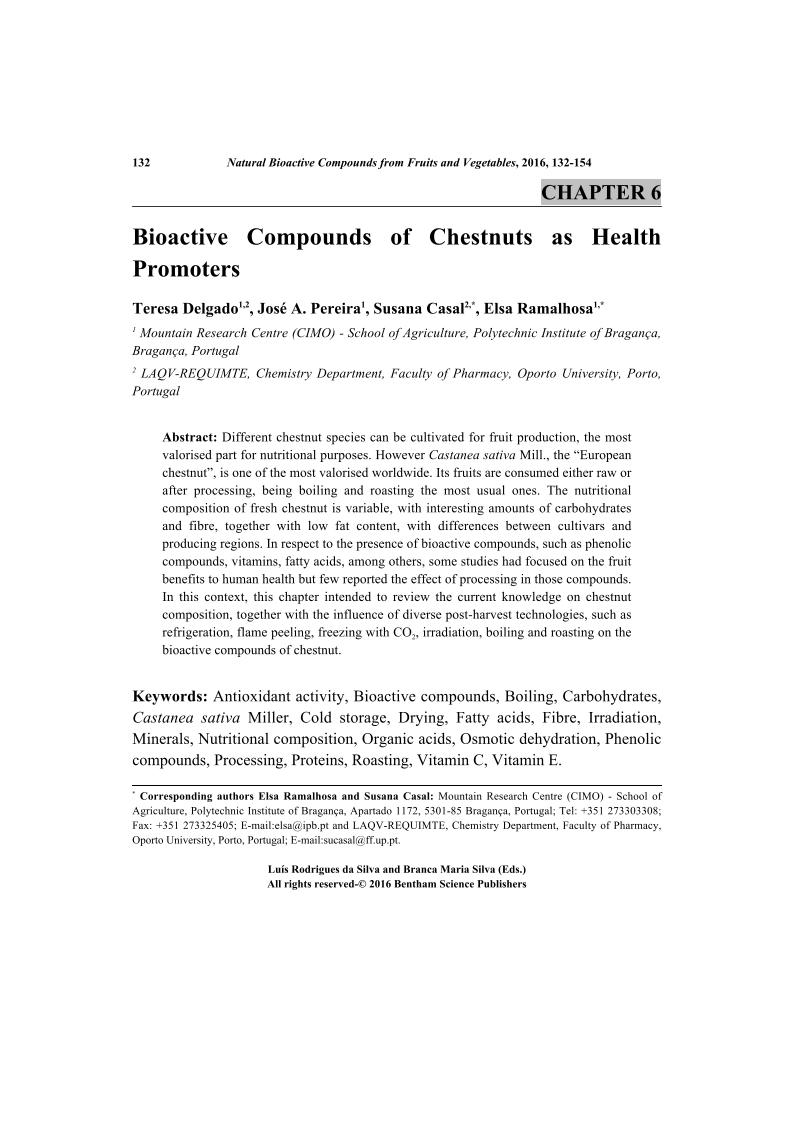
Different chestnut species can be cultivated for fruit production, the most valorised part for nutritional purposes. However Castanea sativa Mill., the "European chestnut", is one of the most valorised worldwide. Its fruits are consumed either raw or after processing, being boiling and roasting the most usual ones. The nutritional composition of fresh chestnut is variable, with interesting amounts of carbohydrates and fibre, together with low fat content, with differences between cultivars and producing regions. In respect to the presence of bioactive compounds, such as phenolic compounds, vitamins, fatty acids, among others, some studies had focused on the fruit benefits to human health but few reported the effect of processing in those compounds. In this context, this chapter intended to review the current knowledge on chestnut composition, together with the influence of diverse post-harvest technologies, such as refrigeration, flame peeling, freezing with CO2, irradiation, boiling and roasting on the bioactive compounds of chestnut.
-
From This Site
/content/books/9781681082431.chapter-6dcterms_subject,pub_keyword-contentType:Journal -contentType:Figure -contentType:Table -contentType:SupplementaryData105
