


Macrophage Inflammatory Protein 1 and CCR5 as Potential Therapeutic Targets for HIV Infection and Acquired Immunodeficiency Synd
- Authors: Tsuyoshi Kasama, Ryo Takahashi, Michihito Sato, Kuninobu Wakabayashi4
-
View Affiliations Hide Affiliations4 Division of Rheumatology, Department of Medicine, Showa University School of Medicine, 1 5-8 Hatanodai, Shinagawa-ku, Tokyo 142-8666, Japan
- Source: Frontiers in Anti-infective Drug Discovery: Volume 1 , pp 227-237
- Publication Date: August 2010
- Language: English


Macrophage Inflammatory Protein 1 and CCR5 as Potential Therapeutic Targets for HIV Infection and Acquired Immunodeficiency Synd, Page 1 of 1
< Previous page | Next page > /docserver/preview/fulltext/9781608051588/chapter-11-1.gif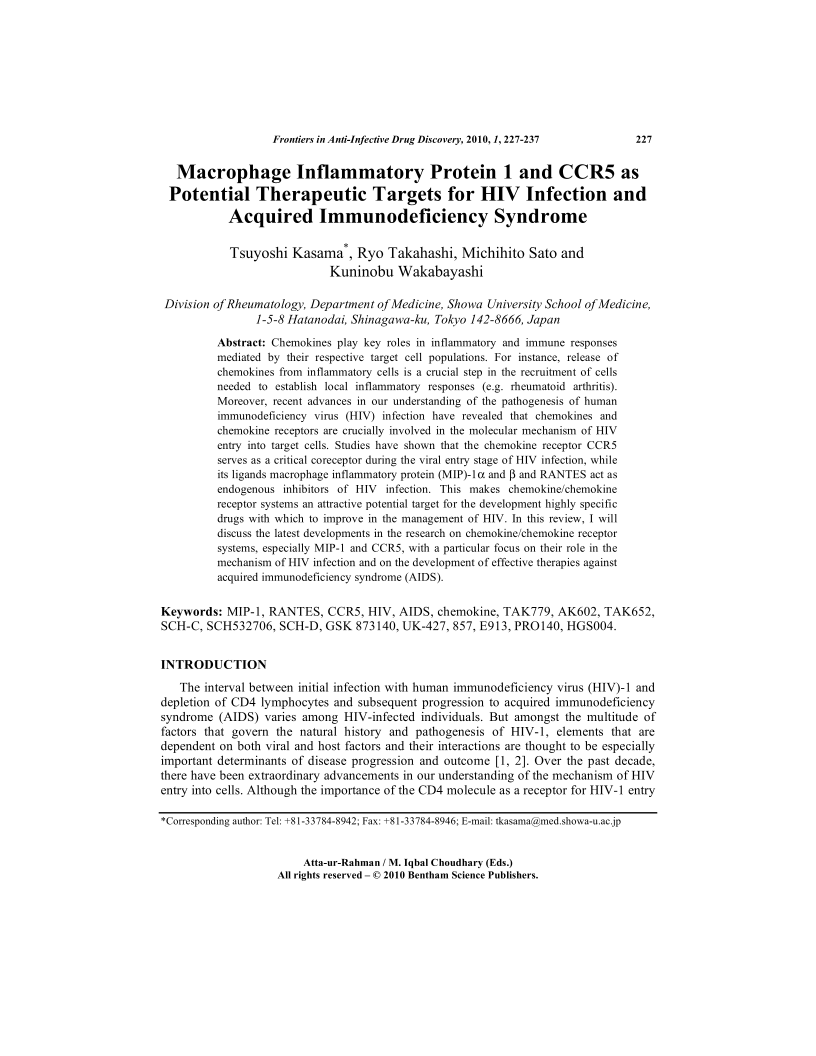
Chemokines play key roles in inflammatory and immune responses mediated by their respective target cell populations. For instance, release of chemokines from inflammatory cells is a crucial step in the recruitment of cells needed to establish local inflammatory responses (e.g. rheumatoid arthritis). Moreover, recent advances in our understanding of the pathogenesis of human immunodeficiency virus (HIV) infection have revealed that chemokines and chemokine receptors are crucially involved in the molecular mechanism of HIV entry into target cells. Studies have shown that the chemokine receptor CCR5 serves as a critical coreceptor during the viral entry stage of HIV infection, while its ligands macrophage inflammatory protein (MIP)-1α and β and RANTES act as endogenous inhibitors of HIV infection. This makes chemokine/chemokine receptor systems an attractive potential target for the development highly specific drugs with which to improve in the management of HIV. In this review, I will discuss the latest developments in the research on chemokine/chemokine receptor systems, especially MIP-1 and CCR5, with a particular focus on their role in the mechanism of HIV infection and on the development of effective therapies against acquired immunodeficiency syndrome (AIDS).
-
From This Site
/content/books/9781608051588.chapter-11dcterms_subject,pub_keyword-contentType:Journal -contentType:Figure -contentType:Table -contentType:SupplementaryData105
