


Using Human Factors Research as an Evidence Base

- By Edward Steinfeld
- Source: The State of the Science in Universal Design: Emerging Research and Developments , pp 57-70
- Publication Date: March 2012
- Language: English


Using Human Factors Research as an Evidence Base, Page 1 of 1
< Previous page | Next page > /docserver/preview/fulltext/9781608050635/chapter-5-1.gif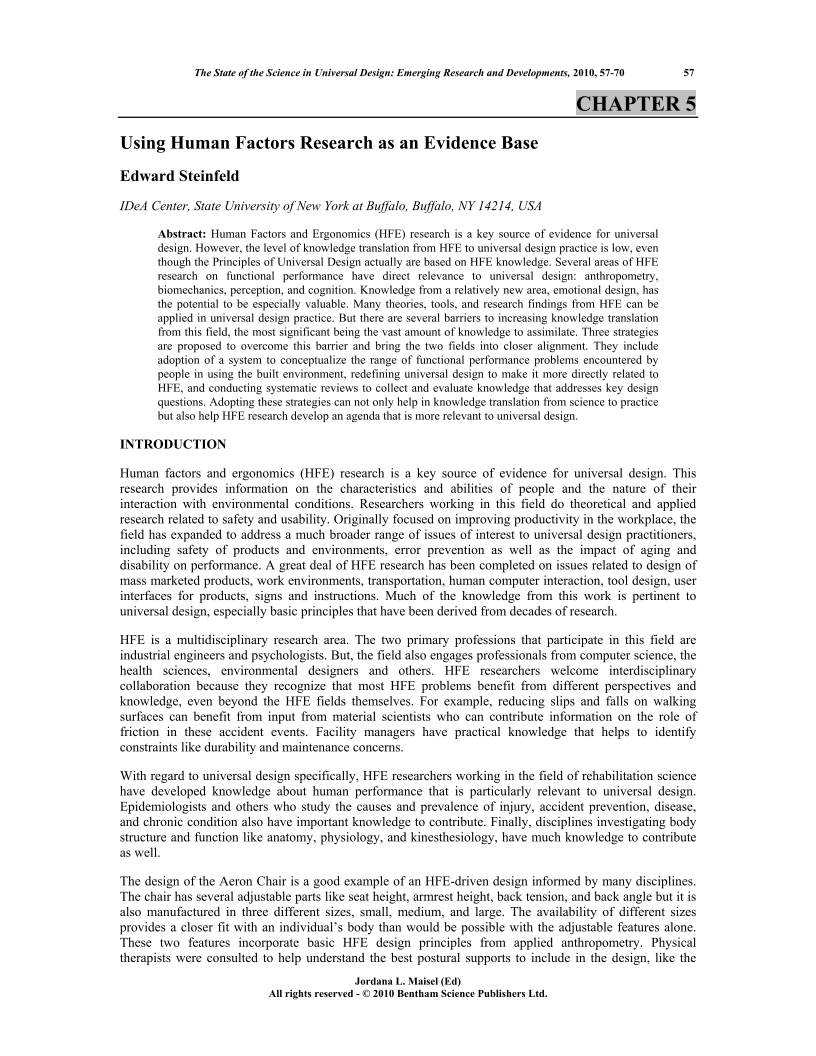
Human Factors and Ergonomics (HFE) research is a key source of evidence for universal design. However, the level of knowledge translation from HFE to universal design practice is low, even though the Principles of Universal Design actually are based on HFE knowledge. Several areas of HFE research on functional performance have direct relevance to universal design: anthropometry, biomechanics, perception, and cognition. Knowledge from a relatively new area, emotional design, has the potential to be especially valuable. Many theories, tools, and research findings from HFE can be applied in universal design practice. But there are several barriers to increasing knowledge translation from this field, the most significant being the vast amount of knowledge to assimilate. Three strategies are proposed to overcome this barrier and bring the two fields into closer alignment. They include adoption of a system to conceptualize the range of functional performance problems encountered by people in using the built environment, redefining universal design to make it more directly related to HFE, and conducting systematic reviews to collect and evaluate knowledge that addresses key design questions. Adopting these strategies can not only help in knowledge translation from science to practice but also help HFE research develop an agenda that is more relevant to universal design.
-
From This Site
/content/books/9781608050635.chapter-5dcterms_subject,pub_keyword-contentType:Journal -contentType:Figure -contentType:Table -contentType:SupplementaryData105
