


Bentham Science Publishers
Bentham Science Publishers is a major publisher of more than 100 peer-reviewed science, technology and medical (STM) journals, along with a rapidly growing collection of eBooks. Since 1993, Bentham Science Publishers has been catering to the information needs of the pharmaceutical, engineering, biomedical and medical research community.1861 - 1880 of 1976 results
-
-

The Waste-to-Energy Nexus: Technologies for the Industries of the Future
More LessThe Waste to Energy Nexus: Technologies for Industries of the Future connects waste management, energy recovery, and circular economy to help industries reduce pollution and adopt sustainable systems. It covers practical solutions such as bioethanol from algal biomass, biochar for energy storage, hydrogen production, CO₂ capture, and smart solid waste management, supported by real-world case studies, such as ethanol use in transport and waste-stream analysis.
Key Features
Turn waste into bioethanol, hydrogen, and other fuels
Explain biochar and advanced energy storage systems
Showcase CO₂ capture and recycling technologies
Use industry case studies for real-world learning
Keep content research-based and future-focused.
-
-
-
The Wax Moth: A Problem or a Solution?
More LessThe Wax Moth: A Problem or a Solution? Covers the biology, development, morphometric characters, pheromones, mating, reproduction of the greater wax moth, which is a major pest in bee colonies. It also gives tips to beekeeping enthusiasts and professionals on how to manage wax moth infestations. Finally, it elucidates the involvement of wax moths in plastic degradation.
Key Features
- A complete overview of the basic biology of the greater wax moth
- A quick guide on wax moth pest control
- Tips for beekeepers to enhance colony growth for sustainable apiculture
- Information for researchers on the wax moth's involvement in plastic degradation
- Simple text for readers of all levels
- References for additional reading
The Wax Moth: A Problem or a Solution? Is a comprehensive yet quick reference that is ideal for entomology and agriculture students, researchers, academicians and beekeepers (both professional and hobbyist).
-
-
-

The Whole Story Behind Blind Adaptive Equalizers/ Blind Deconvolution
More LessIt is well known that Intersymbol (ISI) Interference is a limiting factor in many communication environments where it causes an irreducible degradation of the bit error rate (BER) thus imposing an upper limit on the data symbol rate. In order to overcome the ISI problem, an equalizer is implemented in those systems. Among the three types of equalizers - non-blind, semi-blind and blind – the blind equalizer has the benefit of bandwidth saving and there is no need of going through a training phase. Blind equalization algorithms are essentially adaptive filtering algorithms designed such that they do not require the external supply of a desired response to generate the error signal in the output of the adaptive equalization filter. The algorithms generate an estimate of the desired response by applying a nonlinear transformation to sequences involved in the adaptation process. This nonlinearity is designed to minimize a cost function that is implicitly based on higher order statistics (HOS) according to one approach, or calculated directly according to the Bayes rules.
The Whole Story behind Blind Adaptive Equalizers/ Blind Deconvolution gives the readers a full understanding on blind deconvolution. The e-book covers a variety of blind deconvolution/equalization methods based on both cost functions and Bayes rules where simulation results are supplied to support the theory. These include the Maximum Entropy density approximation technique and the Edgeworth Expansion approach used in various blind equalizers. It also describes the relationship between the cost function approach and the approach taken according to Bayes rules. The e-book deals also with the effect of various system parameters (such as the step-size parameter or the equalizer's tap length) have on the obtained equalization performance. This e-book will be of particular interest to advanced communications engineering undergraduate students, graduate students, university instructors and signal processing researchers.
-
-
-

The Wrong Assumption Revolutionary Scientific Theories that Shape the Elusive Supernatural World
More LessThe Wrong Assumption: Revolutionary Scientific Theories That Shape the Elusive Supernatural World provides a scientific approach to philosophical thinking and encourages readers to explore their spiritual beliefs. By using simple language and honest scientific rigor, this e-book illuminates fascinating and revolutionary scientific theories that provide physical shape to the otherwise elusive concept of the supernatural world. Readers are exposed to a large variety of scientific theories that justify the existence of spiritual beliefs. Unlike other similar books that explore the connection between science and religion, this e-book refrains from manipulating science to fit a particular dogma; rather, it highlights scientific concepts remarkably similar to those ideas traditionally associated with spiritual beliefs. This e-book condenses the scientific knowledge that is currently dispersed throughout many books into a reader friendly volume.
-
-
-

Theories and Theorems (Common Theories and Laws of Physics Explained)
More LessHow do things work? What makes up matter? How large is the universe? The answer to these questions lies in understanding physical phenomena: mechanics, electricity, magnetism, optics and many other phenomena can be explained through theories in physics. Indeed, progress in physics has been crucial for mankind's technological progress.
Theories and Theorems is an introductory handbook that gives readers a simple explanation of the laws of physics and presents these concepts in a way that stimulates people to think about the how-and-why of this physical world, in which we live.
-
-
-
Theory in the Pathophysiology of Carcinogenesis
More LessThis e-book explains the essential role of angiogenesis in the progression and spread of the neoplasm, including the mechanics of initial carcinogenesis in promoting malignant transformation. The e-book deals with specific categories or subtypes of tumors with some emphasis on astrocytomas and glioblastoma multiforme. The process of carcinogenesis has been re-interpreted in terms of deranged physiologic principles and hence reference is made to what upsets homeostatic mechanisms. Readers of this e-book will have an opportunity to appreciate the essential role of angiogenesis not only in progression and spread of the neoplasm but especially also in the mechanics of initial carcinogenesis in promoting malignant transformation. This e-book should be a useful reference for scholars and clinicians interested in learning about cancer pathophysiology.
-
-
-
Therapeutic Drug Targets and Phytomedicine For Triple Negative Breast Cancer
More LessTriple negative breast cancers (TNBC) are a biologically aggressive form of breast cancer and constitute approximately 10-15% of all breast cancer patients. Distant metastasis, lack of clinically targeted therapies and prognostic markers, makes the disease difficult to treat. Till now not much work has been carried out on this deadly disease. This book provides an overview of TNBC etiology, its treatment strategies and prognostic markers to identify the outcome of standard therapies. Signalling pathways namely cell proliferation, angiogenesis, invasion and metastasis, apoptosis, autophagy and others involved in complicating the disease have been described in the chapters to convey an understanding about the disease mechanisms. All the possible drugs either in pre-clinical or clinical stages have also been mentioned with data that depicts their efficiency in targeting altered genes. The book also introduces the reader to herbal medicine exhibiting high potency to target TNBC, their synthetic analogs used during chemotherapy and their ability to fight against chemoresistance. The concept of phytonanotechnology has also been discussed. The book helps create awareness among a broad range of readers about TNBC. It points to prioritizing the upgradation of health care facilities and re-designing future treatment strategies to provide maximum benefit to breast cancer patients.
-
-
-
Therapeutic Implications of Natural Bioactive Compounds
Frontiers in Bioactive Compounds: Volume 3
More LessThis volume is a comprehensive compilation of contributions on the state of art knowledge about bioactive compounds including their sources, isolation methods, biological effects, health benefits and potential applications. These bioactive compounds could serve as alternatives in the prevention or treatment of multifactorial diseases for vulnerable population groups.
Chapters in the book incorporate the knowledge based on traditional medicine with recent findings on bioactive molecules and their pharmaceutical implications in neurodegenerative diseases, cancer, COVID 19, diabetes, immunomodulation and farm animal diseases.
The book also highlights the latest breakthroughs in the field of screening, characterization, and novel applications of natural bioactive compounds from diverse group of organisms ranging from bacteria, algae, fungi, higher plants, and marine sources.
Authors from renowned institutions of India, Japan and China have shared their expertise in the contributed chapters with the goal of enhancing readers' knowledge about the significance of use of bioactives in therapeutics and nutraceuticals.
It is an informative reference for researchers, professors, graduate students, science enthusiasts, and all those who wish to gain insights into various aspects of bioactive compounds and development of new pharmacological active constituents and nutritional science.
-
-
-
Therapeutic Insights into Herbal Medicine through the Use of Phytomolecules
Natural Medicine: Volume 3
More LessTherapeutic Insights into Herbal Medicine through the Use of Phytomolecules offers a comprehensive exploration of the pharmacological potential of plant-derived compounds. The book provides an in-depth look at the therapeutic applications of phytomolecules in various health conditions. It begins with an analysis of bioactive phloroglucinol compounds and progresses to cover plant-based approaches for managing rheumatoid arthritis, diabetes, cancer, neurological disorders, and antiviral activity. The volume also covers the molecular mechanisms of flavonoids, the preclinical pharmacology of Indian medicinal herbs, and the neuroprotective role of andrographolide in Parkinson's disease. Designed to inform and inspire, this book is ideal for researchers, clinicians, and students interested in the therapeutic potential of natural products.
-
-
-

Therapeutic Nanocarriers in Cancer Treatment: Challenges and Future Perspective
More LessNanotechnology has revolutionized cancer diagnosis and therapy through targeted drug delivery. Advances in protein engineering and materials science have led to the development of nanocarriers (NCs), which have helped overcome the challenges faced during conventional cancer treatment. These nanocarriers serve as an efficient transport module for drugs. Nano-drug delivery has emerged as a promising technology that results in early detection and better treatment of various cancers. The approved nanoparticles currently used in cancer treatment strategies include liposomes, dendrimers, polyplexes, solid lipid nano-carriers, etc. These nanocarriers shall provide a quick, safe, and cost-effective method in cancer therapy and management. This book contains thirteen chapters focusing on the treatment of various cancers, i.e., lung, breast, cervical, ovarian, colon, prostate, head and neck, etc., through nanocarrier drugs. The chapters include reviews on a wide variety of advanced data from existing and ongoing clinical research and major regulatory considerations.
-
-
-

Therapeutic Plants: Recent Advances in the Use of Herbs as Alternative Medications
More LessTherapeutic Plants: Recent Advances in the Use of Herbs as Alternative Medications offers an in-depth exploration of how herbs are reshaping modern healthcare. Bridging traditional knowledge and scientific innovation, the book highlights the therapeutic power of medicinal plants in managing chronic diseases like diabetes, cancer, and cardiovascular disorders. It explores bioactive compounds, Ayurvedic principles, and advanced drug delivery systems, including nanoparticles.
Chapters cover disease-specific applications, plant-based drug discovery, and the role of metabolomics and in-silico methods in drug design. The book also features detailed studies on specific herbs like Barleria longiflora, Terminalia chebula, and Lawsonia inermis.
Key Features:
- Scientific insights into herbal treatments for chronic diseases.
- Integration of traditional and modern medicine.
- Innovative delivery systems, including nanotechnology.
- In-silico drug design and metabolomics applications.
- Case studies of medicinal plants and their bioactive compounds.
-
-
-

Therapeutic Use of Plant Secondary Metabolites
More LessThe book is an evidence-based reference about biochemical mechanisms of action of plant secondary metabolites. It conveys an understanding about how plant-based therapies work, and explains their role in the treatment of complementary and alternative medicine for in the treatment of diabetes, cancer, neurodegenerative disorders, microbial infections, etc., The 15 chapters are written by eminent scholars, lecturers, and experts in indigenous knowledge systems (IKS), industrial and medicinal plants, phytotherapeutics, and phytoinformatics. Reports on health benefits of specific phytochemicals are also highlighted. In addition to basic concepts in medicinal chemistry and ethnopharmacology, the book covers the role of modern computer techniques in developing new pharmaceuticals from plat sources.
Therapeutic Uses of Plant Secondary Metabolites is timely and valuable reference for both undergraduate and postgraduate students in medicinal chemistry, as well as researchers and professionals in IKS, phytomedicine, ethnopharmacology, phytopharmacology, plant biotechnology, drug discovery and development, and phytotherapeutics.
-
-
-

Thermal Cycles of Heat Recovery Power Plants
More LessThermal Cycles of Heat Recovery Power Plants presents information about thermal power plant cycles suitable for waste heat recovery (WHR) in modern power plants. The author covers five thermal power cycles: organic Rankine cycle (ORC), organic flash cycle (OFC), Kalina cycle (KC), steam Rankine cycle (SRC) and steam flash cycle (SFC) with the working fluids of R123, R124, R134a, R245fa, R717 and R407C. The handbook helps the reader to understand the latest power plant technologies suitable for utilizing the waste heat generated by thermal industrial processes.
Key Features:
- Comprehensive modeling, simulation, analysis and optimization of 5 power cycle types with different working fluids
- Clear information about the processes and solutions of thermal power cycles to augment the power generation with improved energy conversion.
- Simple, reader friendly presentation
- bibliographic references after each chapter for further reading
This handbook is suitable for engineering students in degree courses and professionals in training programs who require resources on advanced thermal power plant operation and optimal waste heat recovery processes, respectively. It is also a handy reference for energy conversion efficiency in heat recovery power plants. The book is also of interest to any researchers interested in industrial applications of thermodynamic processes.
-
-
-

Thermal Spray Coatings: Materials, Techniques & Applications
More LessThis comprehensive book explores the techniques, materials, and real-world applications of thermal spray coatings across various industries, including power generation, aerospace, medical, and automotive sectors.
Readers will learn about the basic science and engineering aspects of thermal spray technology, its historical developments, and the diverse range of materials used, from metallic to ceramic materials, and nano-crystallization materials. Distinct thermal spray techniques are explained (flame spray, detonation-gun spray, high-velocity oxy-fuel spray, electric arc spray, plasma spray and cold spray). Chapters on advanced topics also give an understanding of crucial material properties such as high temperature corrosion, oxidation, erosion or wear resistance, and biocompatibility.
Key features
- Contributions from materials science experts with references for each topic
- Gives a comprehensive overview of materials and distinct spray techniques used in thermal coatings
- Dedicated chapters for applications of thermal coatings in different industries
- Covers recent trends and new advances such as surface modification techniques to improve functionality and performance
This book is intended as a resource for an in-depth understanding of the fundamentals and applications of thermal spray coatings for students, professionals and researchers in materials science and chemical engineering disciplines.
-
-
-
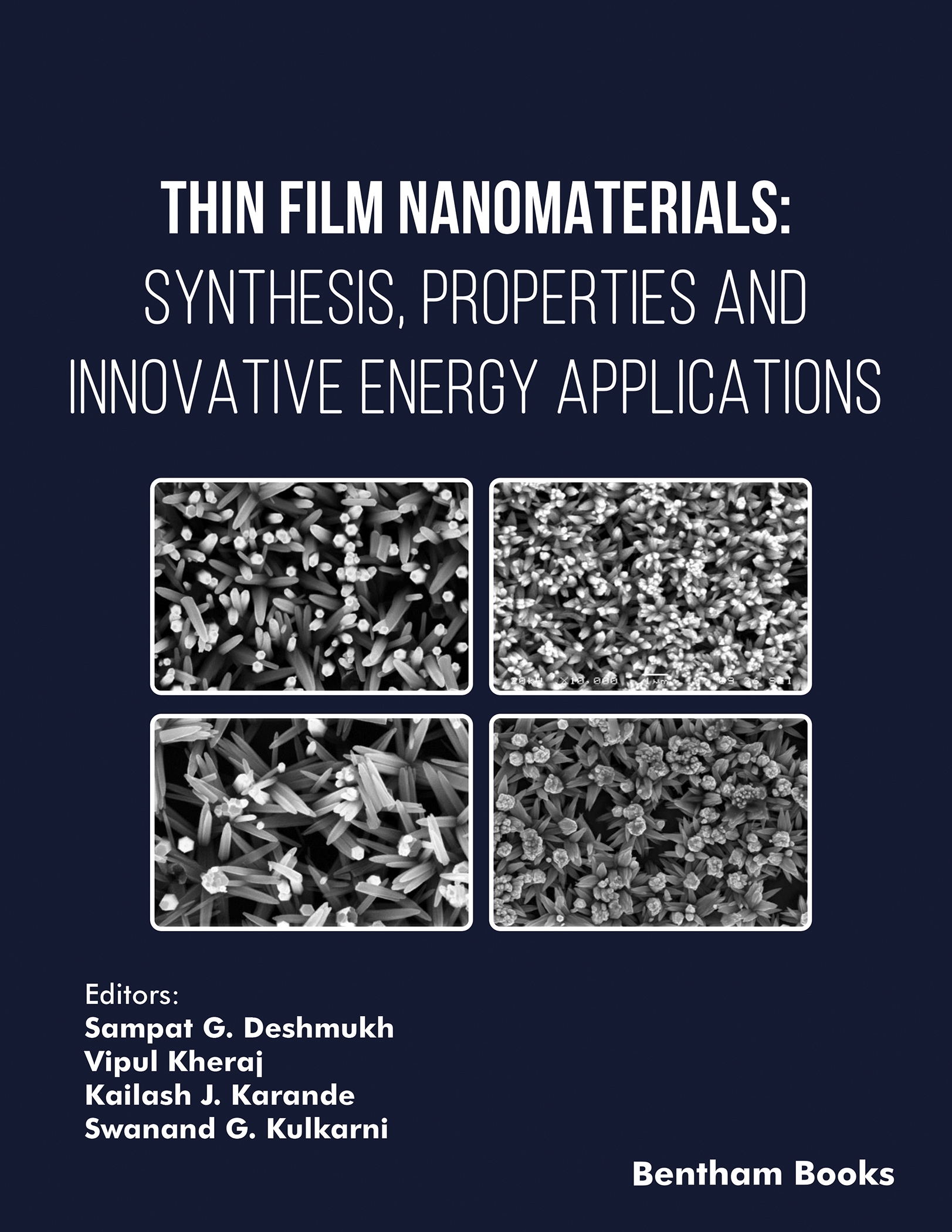
Thin Film Nanomaterials: Synthesis, Properties and Innovative Energy Applications
More LessThin Film Nanomaterials: Synthesis, Properties and Innovative Energy Applications provides a comprehensive overview of the synthesis, properties, and cutting-edge applications of thin film nanomaterials. Each chapter explores different aspects of thin film synthesis and its application in energy devices, showcasing different metal-based and carbon nanomaterials .
The book begins with a discussion on the synthesis and characterization of cadmium and zinc sulphide thin films for opto-electronics energy devices. Subsequent chapters delve into critical reviews of CIGS thin film nanomaterials, deposition techniques for metal oxide nanocomposite films, and nanostructured TiO2@carbon films for photocatalytic applications.
Bandgap engineering, optical properties of composite films, and recent advancements in metal oxide thin films are also covered. Additionally, the synthesis and characteristics of iron oxide films for solar cell and green energy storage applications are discussed.
Chapters on challenges and future prospects of CNT-based cathode emitters and advanced characterizations of nanocrystalline ferrimagnetic thin films provide valuable insights into emerging technologies.
This book is an essential resource for professors, scientists, engineers, research scholars, postdocs, and undergraduate/graduate students seeking to explore the forefront of nanomaterials and their applications in energy systems.
-
-
-

Thin-Film Transistor Reliability
More LessThin-Film Transistor Reliability provides a comprehensive analysis of the reliability challenges in thin-film transistors (TFTs), essential components in modern electronics. Covering topics from fundamental structures to degradation mechanisms, this book equips researchers and engineers with the tools to assess, analyze, and improve TFT reliability.
The book systematically explores key reliability concerns, including performance characterization, defect states, voltage stress effects, circuit-level degradation, and environmental influences. Advanced reliability analysis methods and practical improvement strategies are also discussed, offering insights into future developments.
Key Features:
- In-depth discussion of TFT degradation mechanisms and reliability concerns.
- Comprehensive analysis techniques, including transfer curve and noise analysis.
- Effects of DC/AC voltage stress, self-heating, and environmental factors.
- Strategies for enhancing TFT reliability through structural modifications.
-
-
-
Third Generation Ionic Liquids: Synthesis to Applications
More LessThird Generation Ionic Liquids: Synthesis to Applications is an enquiry into the evolution, functional design, and multidisciplinary applications of next-generation ionic liquids.
The book focuses on third generation ionic liquids, exploring themes such as novel synthesis routes, structure–property relationships, tunability, and integration into industrial and pharmaceutical systems. It spans major topic areas including supported ionic liquid phases (SILPs), catalysis, green solvents, electrochemical systems, and biomedical interfaces.
By bridging fundamental chemistry with real-world applications, the volume supports innovation in green chemistry, energy systems, and advanced materials.
Key features:
Illustrates synthesis pathways and functionalization techniques
Explains structure–property–performance correlations
Demonstrates applications in catalysis, electrochemistry, and CO₂ capture
Highlights environmental, toxicological, and regulatory aspects
Includes expert contributions and interdisciplinary case studies
-
-
-
Thriving Across the Lifespan and Around the Globe: Day in the Life Visual Research Approach
More LessThriving Across the Lifespan and Around the Globe: Day in the Life Visual Research Approach is the result of several decades of international, pan-disciplinary research-team collaborations using quasi-ecological visual methodologies to investigate the psychosocial development of children in diverse communities. The initial studies highlighted in this work involved filming a Day in the Life of toddlers and primary school children, their families, and schools in diverse communities in Asia, South and North America, and Europe. Filmed in their homes and communities for an entire day, the youngest participants were commonly seen to be thriving in diverse psychosocial domains, such as in their security strivings, emergent literacy and graphic representations, and musicality. Research shows that the nature of a child's development can vary in as many ways as there are diverse contexts. Thriving in the transition from home to primary school is a second developmental milestone investigated in the research.
The book serves as an account of the lived experiences of thriving children,among their families, their schools and their communities. The contents give an invaluable insight into the psychology of early childhood while giving the reader an opportunity to understand the resilience of mobile early teenagers as well as independent older adults. The contributions in the book also provide an additional layer to our understanding of visual ethnography by covering such phenomena as agency and communitarianism, spirituality, and the place of humour in the context of challenges encountered across the lifespan. Through presenting quasi-ecological experimental approaches, this reference enhances the readers insight into the texture and nature of thriving in situ, in natural contexts.
-
-
-
Thrombosis and Inflammation in Acute Coronary Syndromes
More LessDespite remarkable progress in fighting against myocardial infarction, the thrombotic complications of the coronary artery are still a significant cause of morbidity and mortality worldwide. Treatment options for arterial thrombosis include either relatively old drugs such as streptokinase, and newer agents that are either approved by the FDA or still undergoing clinical trials. These options make some room for questions that lead to a conclusion for the best combination of drugs for treating patients with acute coronary syndromes.
The handbook combines available information from basic hematology, cardiology and clinical trials and presents practical bed-side solutions for clinicians working with patients suffering from acute coronary syndromes. Readers will learn about the pathogenesis and diagnosis of thrombosis, thrombogenesis and fibrinolysis. Newer antithrombotic agents, cardiac diseases, venous thromboembolism are also covered. Health professionals will have quick access to relevant and organized information which also includes visual and tabular guides as well as some recommendations from professional societies.
-
-
-
Thrombosis in Cancer: A Medical Professional's Guide to Cancer Associated Thrombosis
More LessEver since the association between cancer and thrombosis was reported by Jean-Baptiste Bouillaud in the early 19th century, cancer-associated thrombosis has remained a challenging domain of cancer management. Thrombosis can at times be a lead to cancer diagnosis, while it often complicates medical situations as a coexisting disorder. In this handbook, the contributors have compiled comprehensive information on the subject to provide the reader a comprehensive review of current medical literature and guidelines for cancer-associated thrombosis.
Key Features
-clinically oriented text for application in healthcare settings
-current, evidence-based literature reviews and references
-includes guidelines on VTE prophylaxis, heparin effects and more
-includes information about special cases
Thrombosis in Cancer: A Medical Professional's Guide to Cancer Associated Thrombosis is an informative handbook for a broad range of readers in medicine, including generalists, residents, and graduate-level trainees.
-