


Bentham Science Publishers
Bentham Science Publishers is a major publisher of more than 100 peer-reviewed science, technology and medical (STM) journals, along with a rapidly growing collection of eBooks. Since 1993, Bentham Science Publishers has been catering to the information needs of the pharmaceutical, engineering, biomedical and medical research community.1441 - 1460 of 1980 results
-
-
Oxygen: High Enzymatic Reactivity of Reactive Oxygen Species
More LessThis book presents information about the high enzymatic reactivity of reactive oxygen species. Chapters in the book cover several aspects of the topic such as the sources, formation mechanisms, reaction centers, oxidation-reduction reactions, cellular respiration chemistry, enzymatic kinetics, mitochondrial and plastid electron transport chains, oxidation-reduction potential, reaction constants, reaction velocity and reaction mechanisms involved, cellular cytotoxicity, antioxidant defense mechanisms in plants and animals, response of plants to conditions of environmental stress, xenobiotics, and the thermodynamics inherent to oxygen metabolism. The book also features a chapter on flavonoids which highlights a paradoxical facet of the affinity of reactive oxygen species for enzymes. Flavonoids are mainly antioxidant molecules as they act as trappers of reactive oxygen species. The chapter informs readers about the metabolic pathways mediated by enzymes through wich flavonoids become promoters of these same reactive oxygen species. All chapters present the subject in a simple, analytical format, while highlighting the scientific evidence gathered by researchers so far. The volume is an interesting reference for scholars learning about the biochemistry and enzymology of oxygen and its free radical derivatives.
-
-
-

Pain: Causes, Concerns and Consequences
More LessPain is a significant medical problem, as it is a factor in many diseases and debilitating conditions. The processing of pain in the body is a complex process which involves nerve signaling in the milieu of biochemical, molecular and genetic interactions occurring in the brain and other parts of the body. Pain, as a spokesperson of real and impending injury, outlives its usefulness as a warning signal and instead becomes chronic and excruciating. The transition of the realization of pain up to the cortical processing as a persistent condition represents an intricate process governed by the interaction of various factors. Research on humans and animals has led to the advent of personalized medicine where every patient can be treated according to the set of genes they possess. However, the genetic basis for pain has largely been undefined so far. Research on epigenetic alterations and micro-RNA (miRNA) in relation to the assessment and prevention of pain is still in infancy.
Pain: Causes, Concerns and Consequences focuses on pain in human diseases such as cardiac and non-cardiac disorders. This compendium on pain research offers basic information and useful updates on the pathology, genetics, and biomolecular pathways that cause pain. Additionally, readers will also learn about non-pharmacological therapies for pain. The monograph is a handy guide for medical students and doctors in different divisions such as oncology, surgery, neurology, psychiatry, psychology, physiotherapy and chiropractic care. The book also serves as a guide for life science researchers who are planning to develop methods to study pain in either a clinical or laboratory setting.
-
-
-
Parasitic Diseases of Goats
More LessParasitic Diseases of Goats provides a comprehensive exploration of parasitic infections affecting goats and their impact on various organ systems. The book covers a wide range of parasitic diseases, including those affecting the gastrointestinal, respiratory, cardiovascular, nervous, and urogenital systems, as well as the liver, pancreas, skin, and musculoskeletal system. Diagnostic techniques and therapeutic approaches for managing these infections are also discussed in the chapters of this book.
This book is an essential resource for veterinarians, researchers, students, and professionals in parasitology and veterinary medicine. Key features include detailed descriptions of parasite-related diseases, their pathogenesis, diagnostic methods, and treatment strategies to improve goat health and management.
-
-
-
Parasitic Weeds of Jordan: Species, Hosts, Distribution and Management
Root Parasites; Orobanchaceae, Santalaceae & Cynomoriaceae - Part 1
More LessThis book introduces the most recent research findings on selected parasitic weeds that occur in Jordan and are also spread in Middle Eastern countries. It is a valuable source of information for researchers, students as well as farmers, giving readers a better understanding of these regional parasites and their unusual growth patterns. The book set consists of two volumes. The first volume includes information about genera which are typically known as root parasites. These genera are Orobanchaceae, Santalaceae, and Cynomoriaceae families. The second volume covers stem parasites of the Cuscutaceae, Loranthaceae and Viscaceae families. The detailed information presented in this set makes this an essential reference on weeds and parasitic plants in Jordan and Middle Eastern regions.
Key Features:
- Chapters cover the biology, ecology, distribution, economic significance, host ranges, and control methods of a variety of regional weeds in an organized way
- It includes information on parasitic families, genera and species that are found in Jordanian flora and their hosts.
- It also provides coloured photos of weeds
- Presents the latest techniques for plant pest management
- Provides references for further reading
- Includes a glossary and appendix suitable for beginners
-
-
-
Parasitic Weeds of Jordan: Species, Hosts, Distribution and Management
Part 2 - Stem Parasites; Cuscutaceae, Loranthaceae & Viscaceae
More LessThis book introduces the most recent research findings on selected parasitic weeds that occur in Jordan and are also spread in Middle Eastern countries. It is a valuable source of information for researchers, students as well as farmers, giving readers a better understanding of these regional parasites and their unusual growth patterns. The book set consists of two volumes. The first volume includes information about genera which are typically known as root parasites. These genera are Orobanchaceae, Santalaceae, and Cynomoriaceae families. The second volume covers stem parasites of the Cuscutaceae, Loranthaceae and Viscaceae families. The detailed information presented in this set makes this an essential reference on weeds and parasitic plants in Jordan and Middle Eastern regions.
Key Features:
- Chapters cover the biology, ecology, distribution, economic significance, host ranges, and control methods of a variety of regional weeds in an organized way
- It includes information on parasitic families, genera and species that are found in Jordanian flora and their hosts.
- It also provides coloured photos of weeds
- Presents the latest techniques for plant pest management
- Provides references for further reading
- Includes a glossary and appendix suitable for beginners.
-
-
-
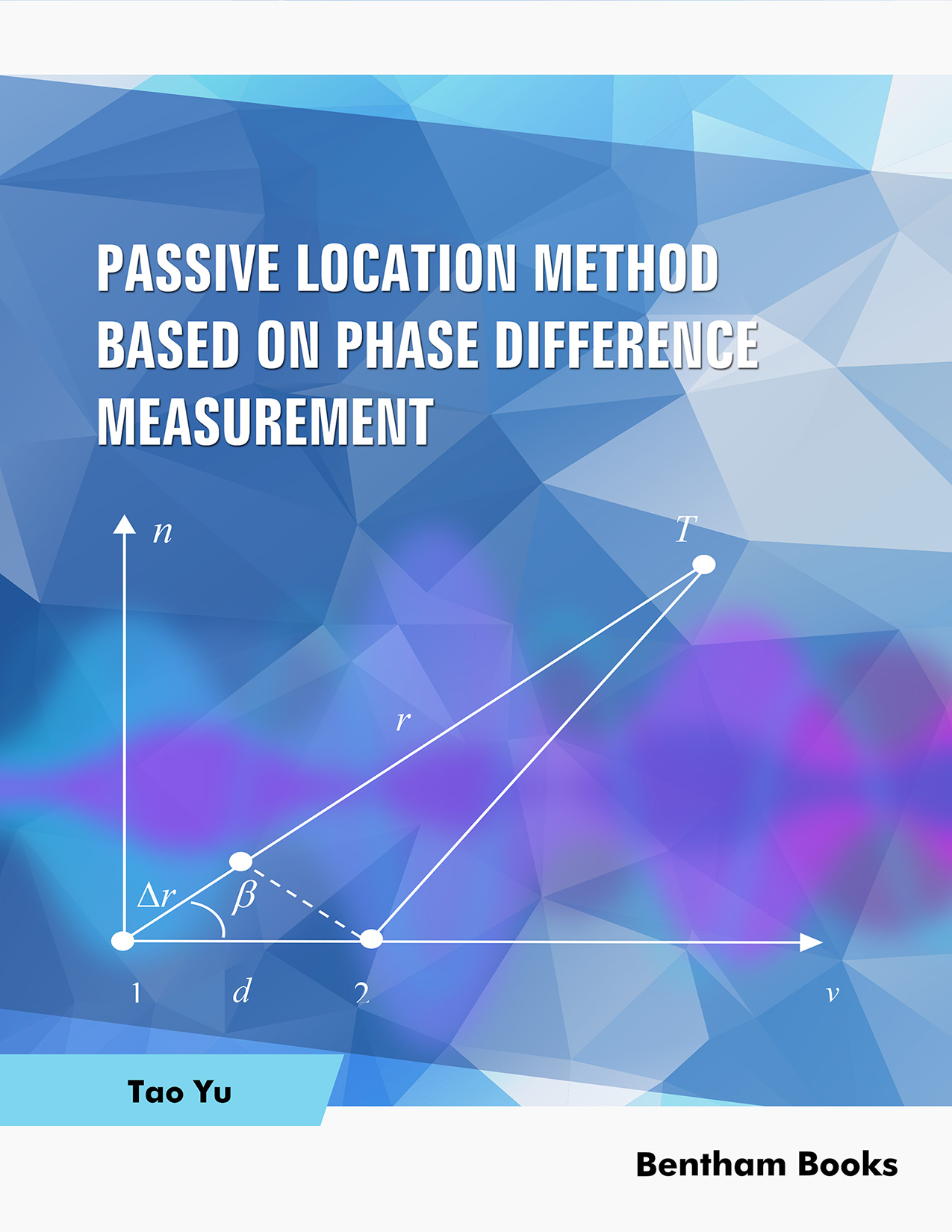
Passive Location Method Based on Phase Difference Measurement
More LessPassive Location Method Based on Phase Difference Measurement presents groundbreaking information for developing passive positioning technologies. The author has put forward a series of innovative solutions from the perspective of engineering application theory with the aim of giving a basic understanding of the application of unambiguous phase difference localization techniques for long-range passive detection.
On the basis of the existing linear solution of the double basis path difference positioning equation and the analysis of its intrinsic properties, this book starts from the study of the phase difference measurement method of the phase difference change rate, puts forward the concept of the differential function of the path difference per unit wavelength length and also discovers its jump law. It provides a possible way to solve the problem of unambiguous phase difference measurement. These results are of great significance to the development of passive localization techniques based on unambiguous phase difference measurement.
Key Features:
- Sequentially presents theoretical frameworks to build the readers knowledge for better understanding the topics
- Presents a variety of unique method for solving kinematic positioning parameters and Doppler signal parameters by using unambiguous phase difference measurement.
- Presents a variety of direction-finding and ranging methods based on short baseline array and using unambiguous phase difference measurement technology, and exhibits the method of constructing long baseline two-station direction finding and ranging with short baseline array
- Presents a variety of two-station passive positioning methods based on angle measurement which are beneficial to improve the positioning accuracy on the basis of studying the relationship between the phase difference and angle
- Presents the means to convert Doppler detection to the non-fuzzy phase difference measure, for the localization problem in which it is difficult to use the phase difference localization equation directly, since the accuracy of the phase difference measurement is better than that of the Doppler frequency difference
- Presents a variety of new positioning methods and several novel concepts while demonstrating the theoretical exploration of passive location problem based on unambiguous phase difference measurement
This reference is a resource for scholars, engineers and technicians involved in radio positioning research and the improvement of radar, satellite navigation systems, unmanned systems and Internet of Things infrastructure.
-
-
-
Pathogenic Escherichia coli in Latin America
More LessPathogenic Escherichia coli are known to be a common cause of diarrheal disease a common cause of frequently occurring bacterial infections in children and adults in developing countries. It poses a significant problem in Latin America. Pathogenic Escherichia coli in Latin America presents current information on understanding pathogenic E. coli in Latin America and outlines prospects for future research in this region. It features a unique, comprehensive analysis of the most common categories of E. coli associated with diarrheal illness in Latin America. The aim of this book is to help epidemiologists in this region to learn about molecular mechanisms of E. coli pathogenesis along with its diagnosis, host immune responses, animal reservoirs and epidemiology. In addition, the authors discuss the current situation of E. coli in representative countries, including Argentina, Brazil, Chile, Mexico and Peru.
-
-
-
Pathways to Green Nanomaterials: Plants as Raw Materials, Reducing Agents and Hosts
More LessPathways to Green Nanomaterials: Plants as Raw Materials, Reducing Agents and Hosts is a comprehensive guide that explores the fundamental aspects, synthesis methods, and various applications of nanomaterials derived from plants. This book is designed for postgraduate researchers, engineers, and scientists in the fields of materials science, biotechnology, and chemical engineering, as well as other disciplines involved in nanomaterial production and applications.
The book delves into different plant-mediated nanomaterials, analyzing their synthesis mechanisms and discussing the regulation and application prospects of plant synthesis. It covers topics such as nanocellulose, biochar materials, plant exosomes, polyphenol nanoparticles, and the phytotoxicity and uptake of nanomaterials by plants. Additionally, it explores the research progress and applications of plant virus nanoparticles in the medical field, including drug delivery, molecular imaging, and vaccine preparation. Readers will be familiarized with the synthetic methods, characterization, and applications of green nanomaterials, paving the way for future studies on plants and their phytochemical constituents.
With its comprehensive coverage of plant-derived nanomaterials and their diverse applications, Pathways to Green Nanomaterials: Plants as Raw Materials, Reducing Agents and Hosts serves as a valuable resource for researchers seeking to understand the potential of plants as sustainable sources for nanomaterial production.
-
-
-

Pediatric Anesthesia: A Guide for the Non-Pediatric Anesthesia Provider Part I
More LessPediatric Anesthesia: A Guide for the Non-Pediatric Anesthesia is a comprehensive, contemporary reference that addresses all aspects of pediatric anesthesia. Both students and medical practitioners - novice and experienced - will find invaluable educational and practical information in this book. The book covers the subject in two parts.
Part I covers basic information about pediatric and neonatal anatomy and physiology, pharmacology, emergency room and operating room procedures and surgery. Chapters on general anesthetic procedures in emergency rooms, operational theatres and common surgeries.
Part II covers advanced topics for practicing healthcare professionals which include anesthesia for patients with a range of common and uncommon comorbidities, considerations for critically-ill patients, genetic disorders, pain management, COVID-19 guidelines for anesthesia, patient safety and research.
Key features:
- Basic and advanced information about pediatric and neonatal anesthesia covered in 25 chapters over two parts
- Simple and organized presentation for learners
- Contributions by expert clinicians and researchers
- Special topics included such as considerations for patients with comorbidities and genetic disorders
- References for further reading
- Detailed illustrations and tables
The text is an essential reference for scholars and professionals affiliated with general anesthesiology and surgery specialties at all levels who want to understand anesthesia for pediatric patients.
-
-
-
Pediatric Anesthesia: A Guide for the Non-Pediatric Anesthesia Provider Part II
More LessPediatric Anesthesia: A Guide for the Non-Pediatric Anesthesia is a comprehensive, contemporary reference that addresses all aspects of pediatric anesthesia. Both students and medical practitioners - novice and experienced - will find invaluable educational and practical information in this book. The book covers the subject in two parts.
Part I covers basic information about pediatric and neonatal anatomy and physiology, pharmacology, emergency room and operating room procedures and surgery. Chapters on general anesthetic procedures in emergency rooms, operational theatres and common surgeries.
Part II covers advanced topics for practicing healthcare professionals which include anesthesia for patients with a range of common and uncommon comorbidities, considerations for critically-ill patients, genetic disorders, pain management, COVID-19 guidelines for anesthesia, patient safety and research.
Key features:
- Basic and advanced information about pediatric and neonatal anesthesia covered in 25 chapters over two parts
- Simple and organized presentation for learners
- Contributions by expert clinicians and researchers
- Special topics included such as considerations for patients with comorbidities and genetic disorders
- References for further reading
- Detailed illustrations and tables
The text is an essential reference for scholars and professionals affiliated with general anesthesiology and surgery specialties at all levels who want to understand anesthesia for pediatric patients.
-
-
-
Pediatric Orthodontics: Theory and Practice
Recent Advances in Dentistry: Volume 2
More LessPediatric Orthodontics: Theory and Practice provides readers (practicing dentists, medical residents, pediatric specialists) with the knowledge to manage cases in regular pediatric orthodontic practice by presenting answers to specific problems related to diagnosis, clinical findings and treatment methods. It is also an essential supplement for the post-graduate student's dental curriculum. The book's problem based format allows readers to test and improve their knowledge about relevant topics which include craniofacial growth, facial aesthetics, musculoskeletal structure, occlusal guidance, maxillary transverse discrepancy, dental anomalies, tooth impaction, and, class II and class III malocclusions.
-
-
-
People, Preferences & Prices: Sequencing the Economic Genome of the Consumer Mind
More LessThis book explores a variety of topics that fall in the realm of psychological and behavioral economics. It demonstrates to the reader how to perform straightforward experiments in order to understand how people think about the economic aspects of their daily lives.
Behavioral economics is a 'hot new area' of economics and consumer psychology. This book provides a comprehensive guide on consumer research and the types of results required. These approaches are spreading further around the globe, thanks to the work of Dr. Howard Moskowitz, one of the authors of this book, and the incredible success of Selling Blue Elephants. In other words, the book is just slightly ahead of a sea change in consumer research, and may be one of the 'tipping points'. (Coincidentally, Malcolm Gladwell, the bestselling author, is a great admirer of Dr. Moskowitz)
-
-
-
Perhalopyridines: Synthesis and Synthetic Utility
More LessHalogenated pyridines can be used as interesting starting materials in a wide range of organic synthesis methods. Substituted pyridine compounds are used generally as starting materials in the nucleophilic substitution reactions and have unique scaffolds for the construction of other heterocyclic and macrocyclic compounds. They also have important medicinal properties. Due to synthetic difficulties in the synthesis of the highly substituted pyridine derivatives from pyridine itself, perhalopyridines have a special importance in this regard. This book covers the synthetic reactions and applications of perhalopyridines. An introductory chapter introduces the reader to the physical and chemical properties of halopyridines, followed by 3 chapters which focus on pentafluoropyridine, pentachloropyridine and pentabromopyridine, respectively. The focused chapters provide information about synthetic methods and relevant nucleophilic reactions for each of the listed perhalopyridines and their derivatives. The book is a quick reference on perhalopyridines for students of applied chemistry, organic chemistry and chemical engineering.
-
-
-
Perinatal Cardiology-Part 1
More LessIn Perinatal Cardiology, fetal cardiology experts provide key information on tools for fetal evaluation through echocardiography / cardiac ultrasonography, with a primary focus on the nature and prenatal detection of structural and functional cardiac heart defects (CHDs). In this two-part book, readers will find details about different types of fetal cardiac abnormalities along with important updates on the diagnosis, management, planning delivery, and postnatal treatment in CHD cases. This information is supplemented with guidelines for the clinical management of patients with a fetus affected by cardiovascular defects, and surgical procedures in neonates.
Key Features:
-presents information gathered by experts in perinatal cardiology, organized into 26 topic-based chapters
- explores the cardiac development, fetal cardiovascular hemodynamics, genetic and environmental factors associated with congenital heart defects (CHD), perinatal management, planning delivery, and postnatal treatment of newborns with CHD
- presents information about normal cardiac functions and heart defects to give readers a clear and detailed picture of abnormal cardiac function
- presents information about perinatal ultrasound physiology
- gives practical guidelines for ultrasound and echography parameters required for evaluating fetal heart anatomy and diagnosing diseases
- includes a new system of classifying prenatal CHDs based on the stratification of the risk level of care
- features a straightforward and accessible style of presentation suitable for all readers
- provides references in each chapter for further reading
Part 1 of this two-part set covers the basics of perinatal cardiology which chapters that introduce readers to CHD classification, fetal heart and placental physiology and pathology, diagnosis of fetal cardiac malposition and anomalies and some congenital heart defects such as septal defects, cardiac anomalies of the left and right sides, conotruncal anomalies and aortic arch anomalies.
Perinatal Cardiology is an essential reference for postgraduate medical students seeking to improve their knowledge of fetal and pediatric cardiology as part of their residency and professional training. The book equips readers with the information necessary to understand the role of the perinatal cardiologist and goes further to facilitate the ability to perform adequate risk assessments for fetal CHD.
-
-
-
Perinatal Cardiology-Part 2
More LessIn Perinatal Cardiology, fetal cardiology experts provide key information on tools for fetal evaluation through echocardiography / cardiac ultrasonography, with a primary focus on the nature and prenatal detection of structural and functional cardiac heart defects (CHDs). In this two-part book, readers will find details about different types of fetal cardiac abnormalities along with important updates on the diagnosis, management, planning delivery, and postnatal treatment in CHD cases. This information is supplemented with guidelines for the clinical management of patients with a fetus affected by cardiovascular defects, and surgical procedures in neonates.
Key Features:
-presents information gathered by experts in perinatal cardiology, organized into 26 topic-based chapters
- explores the cardiac development, fetal cardiovascular hemodynamics, genetic and environmental factors associated with congenital heart defects (CHD), perinatal management, planning delivery, and postnatal treatment of newborns with CHD
- presents information about normal cardiac functions and heart defects to give readers a clear and detailed picture of abnormal cardiac function
- presents information about perinatal ultrasound physiology
- gives practical guidelines for ultrasound and echography parameters required for evaluating fetal heart anatomy and diagnosing diseases
- includes a new system of classifying prenatal CHDs based on the stratification of the risk level of care
- features a straightforward and accessible style of presentation suitable for all readers
- provides references in each chapter for further reading
Part 2 of this two-part set delves into different fetal anomalies such as ventricular inflow anomalies, myocardial and pericardial diseases, cardiac tumors, extra-cardiac conditions, cardiac failure, and environmental factors associated with CHD. The latter chapters cover clinical topics such as labor management for patients bearing a child with CHD, fetal cardiac interventions, clinical management of neonates with CHD and postnatal surgery.
Perinatal Cardiology is an essential reference for postgraduate medical students seeking to improve their knowledge of fetal and pediatric cardiology as part of their residency and professional training. The book equips readers with the information necessary to understand the role of the perinatal cardiologist and goes further to facilitate the ability to perform adequate risk assessments for fetal CHD.
-
-
-
Personalized Immunotherapy for Tumor Diseases and Beyond
More LessThis book introduces personalized immunotherapy with multi-dimensional models of analysis to determine the best plan for immunotherapy of patients. The book introduces readers to some basic concepts which lay the foundation for personalized immunotherapy: the development of a major histocompatibility complex (MHC), the genome profile of T cells and tumor cells, and genome-wide association studies. Chapters also cover special topics such as new immunoassay methods related to personalized immunotherapy and targeted immunotherapy which are geared towards familiarizing readers with current research practices. Focusing on the central theme of personalized immunotherapy, the authors provide a wealth of information about T-cell screening, tumor neoantigen cloning, primary tumor cell culture for T-cell cloning, bioinformatics strategies for understanding T-cell and primary tumor cell biology and function, and new developments in research on adoptive T-cell immunotherapy. These developments include T-cell gene therapy and T-cell gene editing, transgenic T-cells for increasing affinity to tumor cells such as CAR T-cells and TCR T-cells, and the systematic modeling of polyclonal specific T-cells and biobank technology.
Key Features:
- Introduces readers to basic concepts in personalized medicine and immunotherapy
- Presents current information about immunological assays used in research
- Presents an overview of T cell immunotherapy and cloning techniques
- Presents an overview of tumor cell bioinformatics and its role in immunotherapy
- Includes new developments and references for personalized immunotherapy techniques (T-cell gene therapy and T-cell gene editing, transgenic T-cells which target CAR T-cells and TCR T-cells, and polyclonal T-cell modeling)
- Includes a section on biobanking
- Presents information in an easy-to-read format for a wide range of readers
- Brings contributions from experts with over 30 years of experience in personalized immunotherapy
Personalized Immunotherapy for Tumor Diseases and Beyond is an ideal handbook for medical professionals and students involved in personalized medicine, immunology and oncology. General readers interested in the new developments in these fields will also benefit from the information provided.
-
-
-

Petrogenic Polycyclic Aromatic Hydrocarbons in the Aquatic Environment: Analysis, Synthesis, Toxicity and Environmental Impact
More LessAlthough a lot is known about the influence of Polycyclic Aromatic Hydrocarbons (PAHs) on the marine environment, there are still many unanswered questions. Petrogenic Polycyclic Aromatic Hydrocarbons in the Aquatic Environment is a monograph that sums up basic knowledge about this topic while highlighting current research practices useful in studying the aquatic environment. It starts with an introduction to effect of PAH in the marine environment. It then proceeds to provide information on techniques to monitor PAH levels and investigate the affected environment in order to control the subsequent negative effects. Chapters also detail the carcinogenic and endocrine effects of PAHs on fish as well as the degradation of PAHs by microorganisms. This monograph is a useful reference for environmental science students and professionals learning about the role of PAH in the marine environment.
-
-
-

Pharmaceutical Chemistry and Production: An Introductory Textbook
More LessThis textbook summarizes preliminary knowledge of bioactive molecules which serve as pharmaceuticals, their use, synthesis and mode of action, as well as the production of commercial constituents such as ethanol, citric acid, antibiotics, amino acid, and vitamins.
The text is written mainly for the undergraduate and graduate levels of study of all Indian universities according to the recently implemented CBCS curriculum in a simple manner while keeping postgraduate course structures in view.
Key Features:
Simple structured layout suitable for learners
- Considers the CBCS curriculum for Indian Institutions
- Covers the subject in 2 parts (Part A: Pharmaceutical Chemistry, Part B: Production)
- Covers several types of pharmaceuticals used in clinical practice
- Covers the fermentation process and the production of antibiotics, pharmaceutical commodities, and nutrients
- Includes an appendix for handy information
-
-
-

Pharmaceutical Nanotechnology
More LessPharmaceutical Nanotechnology publishes original manuscripts, full-length/mini reviews, thematic issues, rapid technical notes and commentaries that provide insights into the synthesis, characterisation and pharmaceutical (or diagnostic) application of materials at the nanoscale. The nanoscale is defined as a size range of below 1 µm. Scientific findings related to micro and macro systems with functionality residing within features defined at the nanoscale are also within the scope of the journal. Manuscripts detailing the synthesis, exhaustive characterisation, biological evaluation, clinical testing and/or toxicological assessment of nanomaterials are of particular interest to the journal’s readership. Articles should be self contained, centred around a well founded hypothesis and should aim to showcase the pharmaceutical/diagnostic implications of the nanotechnology approach. Manuscripts should aim, wherever possible, to demonstrate the in vivo impact of any nanotechnological intervention. As reducing a material to the nanoscale is capable of fundamentally altering the material’s properties, the journal’s readership is particularly interested in new characterisation techniques and the advanced properties that originate from this size reduction. Both bottom up and top down approaches to the realisation of nanomaterials lie within the scope of the journal.
Pharmaceutical Nanotechnology is an international, peer-reviewed journal on all aspects of pharmaceutical nanotechnology, published bimonthly (print & online) by Bentham Science Publishers.
-
-
-
Pharmaceuticals for Targeting Coronaviruses
More LessThis reference summarizes information about pharmaceuticals that can target infectious strains of coronaviruses to neutralize infections. Chapters focus on SARS-CoV-2, drug discovery methods and natural methods to combat the virus, which is a causative agent of COVID-19.
Specifically, the book presents 5 chapters written by expert scholar on the following topics:
Structure-Based Drug Discovery Approaches Applied to SARS-CoV-2 (the causative agent COVID- 19)
Potential Antiviral Medicinal Plants against Novel SARS-CoV-2
Infections Caused by SARS Coronaviruses:
Main Characteristics, Targets and Inhibitors Natural Sourced Traditional Indian and Chinese Medicines to Combat COVID- 19
Peptidomimetic and Peptide-Derived Agents Against 3CLpro from Coronaviruses The book contents present both conventional drug design and traditional approaches to discovering relevant drugs in an easy-to-read approach, which is supplemented by bibliographic references. It is intended as a reference for students (pharmacology, pharmacy) and researchers (virology) who are seeking information about antiviral drugs that can be used against coronaviruses.
-