Bentham Science Publishers
Bentham Science Publishers is a major publisher of more than 100 peer-reviewed science, technology and medical (STM) journals, along with a rapidly growing collection of eBooks. Since 1993, Bentham Science Publishers has been catering to the information needs of the pharmaceutical, engineering, biomedical and medical research community.301 - 350 of 1969 results
-
-
Bioactive Phytochemicals from Himalayas: A Phytotherapeutic Approach
More LessBioactive Phytochemicals from Himalayas: A Phytotherapeutic Approach covers herbal medicines from the Himalayan mountains. Chapters in this book detail molecular mechanisms and experimental tools and techniques for research on plants in this region. Phytochemical experts guide the readers through the role of Himalayan plants in therapy for metabolic diseases like cancer and diabetes, hepatic diseases, inflammatory diseases, and neurodegenerative diseases. Some chapters focus on diseases and how various plants from Himalayan origin are beneficial in these diseases.
This compilation,with professional contributors, aims to inform a wide scientific community from various research fields about basic research on medicinal plants with a focus on Himalayan herbs. The book also serves as a handbook for pharmacologists working on the broad therapeutic aspects of these plants.
-
-
-
Bioactive Phytochemicals: Drug Discovery to Product Development
More LessNatural bioactive compounds from medicinal plants are inexplicably diverse in chemical structure and biological properties. The unmet therapeutic requirements for various diseases serve as a guide for researchers to study natural compounds. These studies are intended to isolate, identify the structural characterization and eventually discover the pharmacological activity of natural compounds from their plant sources with the goal of treating specific diseases.
Bioactive Phytochemicals: Drug Discovery to Product Development explores the scope and approaches of drug discovery from natural products. Chapters in the book cover information about the cultivation, collection and processing of medicinal plants, the methods and high throughput techniques for isolation and characterization of bioactive phytochemicals and pharmacological screening for activity, formulation and quality control. Information about the regulations specified for natural medicinal products in different region of the world is also presented, followed by a concluding chapter devoted to the role of natural herbal products for treatment of human diseases such as cancer, cardiovascular diseases, diabetes, obesity, inflammation and neurological disorders. Each chapter concludes with a general reference section, which is a bibliographic guide to more advanced texts. The contributing authors for this volume are drawn from a rich blend of experts in various areas of herbal medicine which encompass herbal drug discovery to product development.
The concise and organized layout along with a broad coverage of phytochemistry and drug discovery makes this book a suitable reference for students of medicinal chemistry, researchers and industry professionals interested in herbal product development.
-
-
-
Biocarbon Polymer Composites
More LessThis book explores cutting-edge biocarbon polymer composites. The book brings together nine edited chapters that explore the development, properties, and applications of these eco-friendly materials, highlighting their potential to transform industries and reduce the environmental impact of traditional polymers. Spanning a range of critical topics, this book begins with an introduction to biocarbon and polymer materials, providing a solid foundation. It then progresses into the latest research on biocarbon sources, processing techniques, and characterization methods. Subsequent chapters cover the mechanical, thermal, and electrical properties of biocarbon polymer composites, along with their applications in diverse industries such as automotive, construction, and packaging. Contributors highlight real-world case studies and examples to showcase the practical relevance of these materials.
Readers will gain a comprehensive understanding of the science and technology behind biocarbon polymer composites, enabling them to make informed decisions in materials selection and development. In an era of increasing environmental consciousness, this book emphasizes the eco-friendly nature of biocarbon composites, offering sustainable alternatives to traditional plastics. Additionally, this book bridges the information gaps between different disciplines and it is intended for a wide range of readers, from materials scientists and engineers to environmentalists and industry policymakers.
-
-
-
Bioceramics: Status in Tissue Engineering and Regenerative Medicine (Part 1)
More LessBioceramics: Status in Tissue Engineering and Regenerative Medicine (Part 1) provides an in-depth look into the recent advancements in biocompatible ceramics, glasses, and composites for tissue engineering and regenerative medicine. It explores topics ranging from the structure and processing of bioactive glasses to the applications of bioinert and bioresorbable ceramics in medical treatments. The book discusses key aspects of bioceramics, including their therapeutic potential in soft tissue healing and cancer therapy, along with challenges and opportunities for future research. Researchers, bioengineers, and professionals in biomedical sciences will find this volume an essential resource for understanding both the fundamentals and applications of bioceramics.
Key Features:
- Comprehensive coverage of bioceramics, bioactive glasses, and composites, including their manufacturing techniques.
- State-of-the-art insights into bioceramics and glass-ceramics in tissue engineering and regenerative medicine.
- Focus on preclinical assessment, clinical applications, challenges, and future perspectives.
-
-
-
Bioceramics: Status in Tissue Engineering and Regenerative Medicine (Part 2)
More LessBioceramics: Status in Tissue Engineering and Regenerative Medicine (Part 2) presents recent advancements in biocompatible ceramics and bioactive glasses, emphasizing their expanding applications in hard and soft tissue engineering. This book explores innovative manufacturing techniques like 3D printing and additive manufacturing and examines the therapeutic potential of bioceramics in areas such as bone regeneration, microbial infection management, wound healing, and cancer treatment. It also discusses current challenges, clinical applications, and future research directions. This book is a valuable resource for those developing biocompatible materials for medical applications.
Key Features:
- Comprehensive overview of bioceramic and bioactive glass applications in tissue engineering.
- In-depth analysis of manufacturing techniques, including 3D printing and additive manufacturing.
- Insights into clinical challenges, preclinical assessments, and future perspectives in regenerative medicine.
-
-
-

Biochar - Solid Carbon for Sustainable Agriculture
More LessBiochar - Solid Carbon for Sustainable Agriculture explores the potential of biochar, a form of charcoal produced from organic materials, to improve soil health, increase crop yields, and mitigate climate change. This book offers a comprehensive overview of biochar and its applications in sustainable agriculture.
The book begins by introducing the concept of biochar and its historical use in agriculture. Next, the content deals with the production methods and properties of biochar, providing insights into its chemical composition and physical characteristics. Subsequent chapters explore the diverse applications of biochar in agriculture, including its role in soil fertility improvement, carbon sequestration, and pollution remediation. Case studies and practical examples illustrate the effectiveness of biochar across different agricultural settings. The authors also discuss the potential challenges and future directions of biochar research and application.
This book is essential reading for agronomists, soil scientists, environmental scientists, farmers, policymakers, and anyone interested in sustainable agriculture and climate change mitigation strategies.
-
-
-
Biochemical Mechanisms of Aluminium Induced Neurological Disorders
More LessAluminium is a chemical element present in earths crust and it is a known environmental toxin which has been found to be associated with various neurological disorders. Aluminium has been found to be a very strong risk factor for the development of Alzheimers disease.
Biochemical Mechanisms of Aluminium Induced Neurological Disorders explains the association of aluminium with neurological disorders. The book introduces the reader to sources of aluminium exposure, followed by an explanation of pharmacokinetics of aluminium and the different biochemical pathways that cause neurological effects. Chapters cover the typical mechanisms associated with aluminium neurotoxicity such as synaptic impairment as well as recent topics of interest such as the role of aluminum in impairing blood-brain barrier functions. Separate chapters which cover clinical evidence of aluminium toxicity and its management are also included in the book.
Biochemical Mechanisms of Aluminium Induced Neurological Disorders is a concise, yet informative reference on the subject of aluminium neurotoxicity for all readers, whether they are students of biochemistry, pharmacology and toxicology, clinical neurologists, environmentalists interested in metal pollution or general readers who want to learn about the toxic effects of aluminium in humans.
-
-
-

Biochemical and Biological Effects of Organotins
More LessOrganotins are widespread contaminants especially of water environments. Their chemically versatile structure makes organotin compounds able to bind to a variety of biomolecules thus widely affecting biological functions. Trisubstituted molecules, namely tributyltin (TBT) and triphenyltin (TPhT), have been widely employed in antifouling paints and are also exploited as plastic stabilizers that unfortunately cause harmful biological effects. Persistent bioaccumulation has resulted in organotins becoming a significant environmental threat. Chapter by chapter, the biological and biochemical effects of organotins are unravelled in this e-book by a careful analysis of the most recent findings with special focus on contaminant action mechanisms at cellular and molecular level. The e-book provides an intriguing insight into the molecular mechanisms involved in organotin toxicology thus serving as a useful reference to biochemists, biologists, ecotoxicologists and life science students.
-
-
-

Biochemistry of Andrology
Andrology: Current and Future Developments: Volume 1
More LessThis book is a concise textbook of iatrogenic pathology. Chapters cover iatrogenesis relevant to a broad range of medical subspecialties (cardiology, gastroenterology, gynecology, neurology, endocrinology and much more). The book presents an introduction to iatrogenesis which is followed by chapter-wise descriptions of iatrogenic lesions (lesions due to adverse drug reactions, lesions occurring during diagnosis and consequences of various therapeutic interventions) of the organs and systems of the body.
This textbook is a handy resource on iatrogenic pathology for medical students and working professionals (clinical and nursing staff) involved in a range of medical subspecialties
-
-
-
Biochemistry: Fundamentals and Bioenergetics
More LessBiochemistry: Fundamentals and Bioenergetics presents information about the basic and applied aspects of the chemistry of living organisms. The textbook covers the scope and importance of biochemistry, the latest physical techniques to determine biomolecular structure, detailed classification, structure and function of biomolecules such as carbohydrates, lipids, amino acids, proteins, nucleic acids, vitamins, enzymes and hormones. Readers will also learn about processes central to energy metabolism including photosynthesis and respiration, oxidative phosphorylation, DNA replication, transcription and translation, recombinant DNA technology.
Key Features
- logical approach to biochemistry with several examples
- 10 organized chapters on biochemistry fundamentals and metabolism
- focus on biomolecules and biochemical processes
- references for further reading
-
-
-
Bioderived Materials: Harnessing Nature for Advanced Biochemical Handiwork: Volume 1
More LessNaturally-derived biomaterials invite immense interest from diverse segments of science and engineering. Recent decades have witnessed a leap in knowledge and efforts in ongoing research with biomaterials as synthons, yet biomaterial research never fails to create surprises. This book summarizes modern knowledge of bioderived materials for beginners in research and advanced readers in materials science.
The book lays the foundations of understanding the design and development of mimetic peptides and enzyme mimetic bioinorganic catalysts, including the toolsets used in the process. Next, the book demonstrates different approaches for obtaining task-specific designer hydrogels. Additional topics covered in the book are tissue engineering and regenerative medicine. From this point, the book presents information on complex biomaterials systems: bacterial cellulose, cell membrane architecture for nanocomposite material design, and whole cellular microorganisms. Chapters provide applied knowledge with information on the strategies used to design novel biomaterials for applications such as drug delivery, therapy and controlled chemical synthesis.
In summary, this book brings together a wealth of information on bioderived materials with versatile applications, derived from different sources, such as plant derivatives and microorganisms (in part or whole as synthons), benefitting readers from multidisciplinary backgrounds.
-
-
-
Biodiversity and Biogeographic Patterns in Asia-Pacific Region I: Statistical Methods and Case Studies
More LessThis brief book is dedicated to the quantitative analyses and systematic discussion of spatial biodiversity and biogeographic patterns in the Asia‐pacific region comprised of China, India and adjacent countries. The book is split into two sections. The first section presents readers with detailed statistical methods to conduct spatial macro‐biodiversity and biogeography analyses. Step-by-step instructions on how to perform these statistical methods by using the statistical program R are also provided. In the second part, different quantitative case studies are presented covering several topics, including phylogenetics, spatial statistics, multivariate statistics and ecological genomics. Each case study concludes with a detailed interpretation of the quantitative results and how these results are relevant to local and regional ecological processes. This reference is suitable for academics interested in biostatistics biodiversity and ecological studies specific to the Asia Pacific region and China.
-
-
-

Biodiversity and Livelihood: Lessons from Community Research in India
More LessBiodiversity and Livelihood: Lessons from Community Research in India Is a compilation of research articles on the ecological biodiversity and local conservation efforts of selected regions in India, and among local communities throughout the county. 18 chapters have been contributed by experts in ecology, sustainability and ethnic studies in India. The chapters provide information on a wide range of tops which cover local communities, their agricultural practices and the ecological relationships between their community and the species on which their livelihood depends. Contributions emphasize different aspects of these topics, such as observational ecological information about the aforementioned regions and communities, the local biodiversity, tribal customs of ethnic communities that are linked to conservation, specific programs which are aimed at the conservation of specific plant and animal species endemic to the region, the benefits shared by the communities involved with conservation programs and recommendations shared by the authors for sustainable management of the regional ecosystem and its resources. Readers will find a wealth of information about biodiversity conservation in different regions in India (most notably the western and eastern ghats and provinces such as Kerala and Andhra Pradesh), from a basic and applied perspective. The book is, therefore, an informative reference for conservationists, ecologists, environmentalists and ethnologists who are studying the biodiversity and conservation of India. Readers involved in sustainable development programs in the region will also find the content valuable to their knowledge.
-
-
-
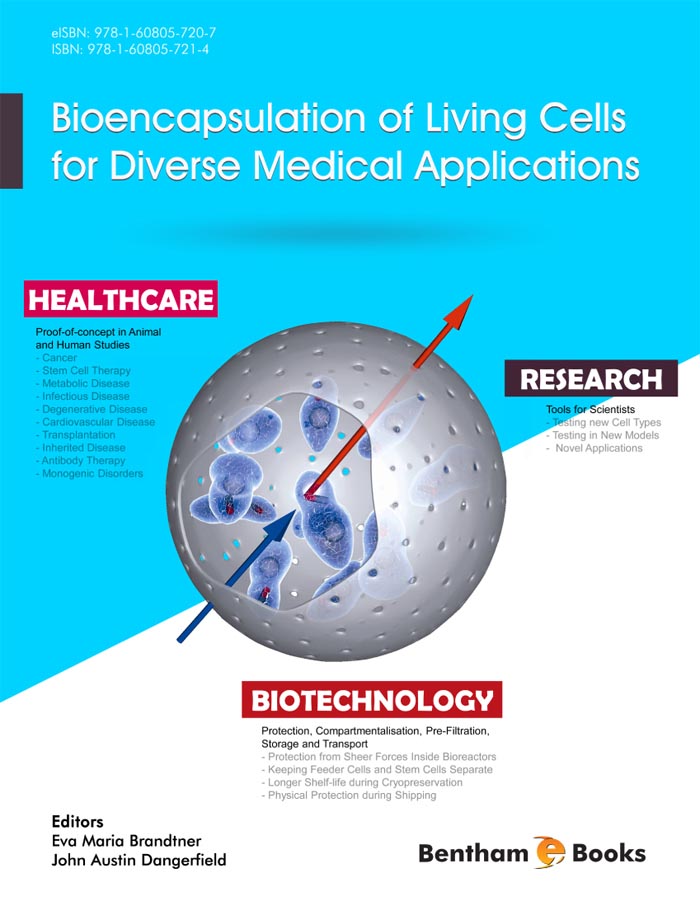
Bioencapsulation of Living Cells for Diverse Medical Applications
More LessBioencapsulation (or microencapsulation) of cells and their implantation into a body of immunoprotected cells allows researchers to revive a missing or defective function in the cells. Microencapsulated cells have reached the clinic where they have been shown to be safe and efficacious in numerous clinical trials. Cell types that have been encapsulated for therapeutic purposes include hybridomas, islet cells, "platform" cell lines e.g. HEK293 and CHO cells as well as an increasing focus on the encapsulation of stem cells. This e-book explains the different methods used for achieving cell bioencapsulation based on different polymers e.g. alginate, cellulose sulphate and agarose. Other chapters in this book subsequently describe the use of cell encapsulation in cancer therapy to improve on existing chemotherapies by reducing doses and thus side effects while increasing efficacy for long term in vivo production of (i) tumoricidal or virus neutralising antibodies, (ii) insulin to achieve a self regulating treatment for diabetes and (iii) neuron nurturing factors to treat CNS diseases such as epilepsy, disorders like Parkinson's disease, Alzheimer, Amyotrophic lateral sclerosis, Huntington's disease and pathologies caused by trauma and/or ischemic processes. The book also includes a chapter reviewing the genetic engineering of cells to allow controlled production of biotherapeutics from encapsulated cells.
This is a unique and timely book which brings together contributions from some of the leading researchers in the field of cell encapsulation. Interested readers are provided an overview of the exciting developments and clinical experiences of researchers with cell bioencapsulation.
-
-
-

Biological Control for Plant Protection: Recent Advances in Research and Sustainability
More LessWith pesticide overuse threatening ecosystems, food safety, and human health,Biological Control for Plant Protection: Recent Advances in Research and Sustainability addresses one of the most pressing challenges in modern agriculture, enhancing crop productivity while reducing reliance on chemical pesticides.
Integrating scientific advances with practical strategies to support integrated pest, weed, and disease management systems, the book brings together contributions from leading researchers and academicians providing an up-to-date compilation of topics ranging from isolation, characterization, and mass rearing of natural enemies to the field application of botanicals and biological methods for biotic stress management in plants.
Key Features:
Explores cutting-edge biological control methods for pests, pathogens, and weeds.
Highlights environmentally sustainable alternatives to chemical pesticides.
Covers natural enemies, botanicals, and biofertilizers as components of integrated management.
Presents case studies and research from diverse agroecosystems, including organic farming.
Provides a comprehensive reference for researchers, practitioners, and policymakers.
-
-
-

Biological Systems: Complexity and Artificial Life
More LessThe exponential increase in computing power in the late twentieth century has allowed researchers to gather, process and analyze large volumes of information and construct rational paradigms of systems. Life sciences are no exception and computing advances have led to the birth of fields such as functional genomics and bioinformatics and facilitated an expansion of our understanding of biological systems. Biological Systems: Complexity and Artificial Life is an essential primer on systems biology for biologists and researchers having a multidisciplinary background. The volume covers a variety of theoretical models explaining biological processes. The book starts with an introductory chapter on the classical molecular biology paradigm and progresses towards concepts related to enzyme kinetics, non equilibrium dynamics, cellular thermodynamics, molecular motion in cells and more. The book concludes with a philosophical note on the concept of the biological system.
-
-
-

Biological and Medical Significance of Chemical Elements
More LessExplore the fascinating interplay between chemical elements and biological life with Biological and Medical Significance of Chemical Elements. This comprehensive handbook delves into the pivotal role that various chemical elements from the periodic table play in the intricate web of life processes. Discover how these elements impact human health, influence drug development, and contribute to essential biological pathways.
Key Features:
- Provides information on the occurrence and classification of chemical elements in nature
- Explains the biological functions of elements from different main groups (including s-, p-, d- and f-block elements)
- Includes information about the biomedical significance of platinum metals, lanthanides, and actinides
- Includes a list of references for further reading This book serves as an indispensable resource for anyone interested in the medical biochemistry of chemical elements.
-
-
-

Biologically Active Natural Products from Asia and Africa: A Selection of Topics
More LessBoth Asia and Africa are home to many plants that can be used for the treatment of many diseases and their medicinal properties are gaining interest in western societies. Medicinal plants from Asia and Africa are used for their healing abilities and also have a symbolic meaning in communities.
The importance of traditional autochthonous plant remedies plays a crucial role in the health of millions of people of these two continents. Even today, traditional medicine represents the dominant medical system for millions of people showing a significant impact on health care practices. Therefore, traditional operators still represent a vital part of regional healthcare systems. For this reason, pharmaceutical industries consider traditional medicine as a source for the identification of bioactive compounds that can be used in the preparation of synthetic drugs.
Biologically Active Natural Products from Asia and Africa: A Selection of Topics guides the reader to information about new natural products from these regions and the different ways to use them to treat or alleviate many of the most common diseases. The volume presents nine topics covering a number of facets of natural product medicine including:
- pharmaceutical analysis of anti-diabetic herbal medicines from Bangladesh and local retailers
- caffeine intake and the risk of female infertility
- pharmaceutical analysis of Urena sinuata (bur mallow)
- anti-CHIKV activities of diterpenes and their derivatives
- anti-inflammatory nanogel for the treatment of psoriasis
- antlithiatic properties of Moroccan medicinal plants
- ethnobotanic, phytochemical and biological activities of Aristolochia longa L. (pipevine)
- wound healing potential of combined extracts of stem bark and leaves of sphenocentrum jollyanum (an African shrub)
This is a handy reference for specialists and R&D experts in pharmaceutical chemistry who wish to be informed about current knowledge on developing natural remedies in Asia and Africa
-
-
-

Biology for Students
More LessBiology for Students is an essential guide for understanding the core principles of biology, from fundamental cellular processes to advanced biological research. This book is structured to help students grasp key biological concepts while equipping them with the skills needed for scientific research and academic writing.
Key Features:
- Core Biological Concepts: Covers cell biology, genetics, evolution, and ecology, providing a strong foundation in life sciences.
- Advances in Biological Research: Explores modern topics such as cancer systems biology and the impact of information systems in research.
- Scholarly Writing & Publishing: Offers practical guidance on research techniques, manuscript writing, and publishing strategies.
- Student-Friendly Features: Includes vocabulary lists, comprehension exercises, reference materials, and appendices for deeper learning.
-
-
-
Bioluminescent Marine Plankton
More LessBioluminescence, the cold living light or the cold fire of the sea is extremely common in all oceans at all depths. However, this phenomenon is nearly absent in freshwater, with the exception of a freshwater limpet. More than 75% of deep-sea creatures have been reported to produce their own light. The luminescent marine plankton such as dinoflagellate, radiolarians, jellyfish, comb jellies, annelids, copepods, ostracods, mysids, amphipods, euphausiids, and tunicates form an important component in the marine food chain. Research on luminescent marine plankton is gaining momentum owing to its importance in life science research and medicine. The glowing Green Fluorescent Protein (GFP) extracted from the North Pacific jellyfish, Aqueorea victoria (for which the Japanese biologist, Osamu Shimonmura won the Nobel Prize in Chemistry in 2008) has helped shed light on key processes such as the spread of cancer, the development of brain cells, the growth of bacteria, damage to cells by Alzheimer's disease, and the development of insulin-producing cells in the pancreas. Therefore, it is difficult to underscore the importance of bioluminescence and the organisms associated with this phenomenon.
Bioluminescent Marine Plankton is a unique reference that attempts to provide answers to questions about bioluminescence. The first of its kind, this book attempts to answer questions on the subject with a focus on planktonic organisms. 12 chapters provide information about the chemistry of bioluminescence, types of bioluminescent displays, distribution of bioluminescence among marine plankton, ecological functions and utility of planktonic bioluminescence. Chapters are dedicated to the biology and ecology of specific groups of plankton that span about 200 luminescent marine species.
The detailed book is an essential compendium on marine plankton for a broad range of readers who want to learn about bioluminescent plankton. A list of detailed references is also provided for the benefit of teachers, students, researchers and enthusiasts interested in marine biology, aquaculture, and environmental sciences.
-
-
-
Biomarkers in Medicine
More LessBiomarkers in Medicine is a comprehensive guide to understanding the current and future status of biomarkers. The book features 27 chapters focusing on disease biomarkers for diseases such as cancer, neurodegenerative diseases, cardiac diseases, metabolic conditions and much more.
This book supplies readers with the unique insight of experts in multiple specialties in medicine and life sciences who have extensive experience in diagnostics and clinical laboratories. The book includes case studies and practical examples from different classes of biomarkers on different platforms, including new data for biomarkers in different therapeutic indications. In addition to presenting biomarker information, each chapter covers the relevant pathology and also emphasizes on preclinical and clinical manifestation of the disease process.
Clinicians managing patients or clinical trials, clinical researchers, clinical laboratories, diagnostic companies, regulatory agencies, medical school graduate students, academic students, and the general public involved in healthcare delivery will all benefit from information presented in this book.
-
-
-

Biomaterial Fabrication Techniques
More LessThis reference is a guide to biomaterial fabrication techniques. The book comprises ten chapters introducing the reader to a range of biomaterial synthesis while highlighting biomedical applications. Each chapter presents a review of the topic followed by updated information about relevant core and applied concepts in an easy to understand format. The first two chapters present vital information about biomaterial components, such as polymer nanocomposites and scaffolds, and the strategies used for their fabrication. The proceeding chapters explain the principles of the most widely used fabrication techniques, and their application in detail. These include freeze drying, electrospinning, 3D printing, multiphoton lithography, particulate leaching, supramolecular self assembly, solvent casting and melt molding. The book is an essential primer on biomaterial synthesis for students and early career researchers in the field of biomedical engineering, applied chemistry and tissue engineering.
-
-
-
Biomaterials for Tissue Engineering
Frontiers in Biomaterials: Volume 4
More LessThis volume reviews the published knowledge about bioactive composites, protein scaffolds and hydrogels. Chapters also detail the production parameters and clarify the evaluation protocol for analysis or testing and scaffolding biomaterials. The volume concludes with a summary of applications of porous scaffold in medicine. Each chapter links basic scientific and engineering concepts to practical applications for the benefit of the reader.
The text offers a wealth of information that will be of use to all students, bioengineers, materials scientists, chemists, physicians and surgeons concerned with the properties, performance, and the application of tissue engineering scaffolds in clinical settings.
-
-
-
Biomedical Applications of Perovskites: The Era of Bio-Piezoelectric Systems
More LessBiomedical Applications of Perovskites: The Era of Bio-Piezoelectric Systems focuses on recent developments in the area of piezoelectric systems and their biomedical applications. A compilation of 19 edited chapters covers different piezoelectric materials, device designs, and their use cases. Readers will be familiarized with the many perovskite materials being used in research and development as well as the role they play in designing novel medical devices and biomaterials.
Key Features
- systematically explains the piezoelectric perovskite materials starting from their introduction, their structure and synthesis techniques
- explains the key materials used in devices such as pacemakers and nanogenerators
- highlights a range of applications including bone regeneration and growth, bone replacement, tissue engineering, dental science, neurotrauma and neurodegenerative disease treatment and bionic prosthesis
- discusses future challenges and the roadmap for piezoelectric perovskite materials
- Presents scientific references for advanced reading
-
-
-
Bionanotechnology: Next-Generation Therapeutic Tools
More LessNanoscale technologies are crucial for the characterization and fabrication of biomaterials that are useful in targeted drug delivery systems. New materials enable the delivery of therapeutic agents to specific tissues and cells in order to treat a range of diseases.
Bionanotechnology: Next-Generation Therapeutic Tools provides a quick overview of the use of nanomaterials in modern drug delivery and targeted drug therapy systems. The book starts with an overview of nanomaterial toxicity with subsequent chapters detailing their applications in nanomedicine. Concepts such as immunotherapy, cancer theranostics, molecular imaging, aptamers and viral nanoparticles are highlighted in specific chapters. The simplified presentation along with scientific references makes this book ideal for pharmacology and biomedical engineering scholars and life science readers.
-
-
-
Biophysics and Diving Decompression Phenomenology
More LessThe biophysics of diving and decompression in the human body are complex. The average individual experiences atmospheric pressure swings of 3% at sea level and over 20% at altitudes greater than a mile. Divers and their equipment can experience compressions and decompressions in orders of greater magnitude than pressures outside water, all within considerably shorter time spans. The understanding of the mechanics behind diving is based on absolute pressure and pressure changes. While these mechanics are readily quantified in physics, chemistry, and engineering applications, the physiological and medical aspects of pressure changes in living systems need to be understood clearly to assess the safety of routine divers.
This monograph is a compilation of a body of knowledge on biophysics, gas transport, bubble studies and physiological models used for diving and hyperbaric applications. Information in the monograph is divided into three parts that cover biophysics and models, data correlation and validation approaches and practical applications, respectively. The book is a useful resource for researchers and maritime professionals who wish to understand the biophysics behind underwater diving and decompression for the purpose of maritime operations as well as diving simulation applications.
-
-
-
Biopolymers In Drug Delivery: Recent Advances and Challenges
More LessThis Ebook describes the applicability of diverse natural and synthetic biopolymers and their blends in drugs, vaccines and gene delivery. It would serve as a concise body of information on biopolymers for researchers, industries and students of pharmaceutical, chemical, engineering and biomedical sciences. Practical and theoretical concepts are presented in depth. Examples of yet untapped indigenous African polymers with drug delivery potentials are highlighted. Many natural biopolymers with excellent drug delivery properties have not been appropriately exploited because there is very concise body of information that would demonstrate their potential. This Ebook should prove to be an important resource to researchers in the field.
-
-
-
Biopolymers Towards Green and Sustainable Development
More LessBio-based polymers are materials that are produced from renewable resources. Their biodegradable properties are the driver of worldwide interest among researchers and manufacturers in recent years due to the demand and need for alternatives to fossil fuel based polymers. The use of biodegradable polymers creates a sustainable industry. In contrast, the raw materials for synthetic polymers derived from petrochemicals will eventually deplete and most of them are non-biodegradable. Despite these advantages, bio-based polymers account for only a tiny fraction of the total global plastic market.
Non-biodegradability issues of synthetic pharmaceutical inactive ingredients strongly emphasized innovators towards the development of biopolymers. Recently natural biodegradable excipients gained significant attention due to their sustainability and engineered applications. Innovative technologies to transform these materials into value-added chemicals via novel graft-polymerization or co-processing techniques for the production of high-performance multifunctional and low-cost polymers with tunable structures are key parts of its sustainable development.
Biopolymers Towards Green and Sustainable Development elaborates on important issues that surround bio-based polymers. It gives the reader an overview of biopolymers, the impact of non-biodegradable polymers on the environment and health, emerging sources of biodegradable polymers, structural and morphological characterization techniques, thermomechanical properties, biodegradable plastics from biopolymers, pharmaceutical, biomedical, and textile applications, and pharmacokinetics and pharmacodynamics. with a brief on bibliometric. Moreover, a brief bibliometric meta-analysis on bio-based pharmaceutical excipients provides an update about teams involved in the development of polymeric research that may be of interest to anyone who wants to work on sustainable biopolymer projects.
Key Features
- provides an updated summary on recently discovered natural polymeric materials
- gives a thorough breakdown of the vast range of biopolymer applications including fabrication of conventional and novel drug delivery, polymeric scaffolds, composites, microneedles, and green synthesis of metallic nanoparticles,
-summarizes pharmacology and pharmacokinetics of the inactive pharmaceutical ingredient and excipients
- presents a bibliometric meta-analysis indicating potential collaboration between country, organization, institution, and authors with a view on recent ongoing trends with biopolymers.
-
-
-
Biopolymers as Therapeutic Adjuvants: Innovations and Advancements
More LessA comprehensive exploration of the role of natural and synthetic biopolymers in modern therapeutics. Bridging fundamental science with applied biomedical research, the book highlights how biopolymers function as drug carriers, vaccine adjuvants, bioactive agents, and innovative tools for next-generation treatment strategies.
The volume covers specialized discussions on nano-based biopolymer systems, enzyme-triggered delivery platforms and AI-driven biopolymer design. The volume also examines the sources, chemistry, and properties of biopolymers while showcasing their applications in drug delivery, wound healing, cancer therapy, tissue engineering, and immunomodulation alongwith regulatory considerations,offering both foundational insights and forward-looking perspectives.
Key Features:
- Explores biological sources, chemistry, and synthetic pathways of biopolymers.
- Examines applications in drug delivery, cancer therapy, and tissue engineering.
- Highlights nano-biopolymers, stimuli-responsive systems, and immunomodulatory roles.
- Showcases AI-powered innovations and emerging therapeutic strategies.
- Bridges laboratory science with clinical and industrial translation.
-
-
-
Bioremediation for Environmental Pollutants
Sustainable Materials: Volume 1
More LessIncreased industrial and agricultural activity has led to the contamination of the earth's soil and groundwater resources with hazardous chemicals. The presence of heavy metals, dyes, fluorides, dissolved solids, and many other pollutants used in industry and agriculture are responsible for hazardous levels of water pollution. The removal of these pollutants in water resources is challenging. Bioremediation is a new technique that employs living organisms, usually bacteria and fungi, to remove pollutants from soil and water, preferably in situ. This approach is more cost-effective than traditional techniques, such as incineration of soils and carbon filtration of water. It requires understanding how organisms consume and transform polluting chemicals, survive in polluted environments, and how they should be employed in the field.
Bioremediation for Environmental Pollutants discusses the latest research in green chemistry and practices and principles involved in quality improvement of water by remediation. It covers different aspects of environmental problems and their remedies with up-to-date developments in the field of bioremediation of industrial/environmental pollutants. Volume 1 focuses on the bioremediation of heavy metals, pesticides, textile dyes removal, petroleum hydrocarbon, microplastics and plastics.
-
-
-

Bioremediation for Environmental Pollutants
Sustainable Materials: Volume 2
More LessIncreased industrial and agricultural activity has led to the contamination of the earth's soil and groundwater resources with hazardous chemicals. The presence of heavy metals, dyes, fluorides, dissolved solids, and many other pollutants used in industry and agriculture are responsible for hazardous levels of water pollution. The removal of these pollutants in water resources is challenging. Bioremediation is a new technique that employs living organisms, usually bacteria and fungi, to remove pollutants from soil and water, preferably in situ. This approach is more cost-effective than traditional techniques, such as the incineration of soils and carbon filtration of water. It requires understanding how organisms consume and transform polluting chemicals, survive in polluted environments, and how they should be employed in the field.
Bioremediation for Environmental Pollutants discusses the latest research in green chemistry and practices and principles involved in the quality improvement of water by remediation. It covers different aspects of environmental problems and their remedies with up-to-date developments in the field of bioremediation of industrial/environmental pollutants. Volume 2 explains the methods used to control the remediation processes making it cost-effectively and feasible. It elaborates on the application of microbial enzymes, microalgae, and genetically engineered microorganisms in the bioremediation of significant pollutants, food wastes, distillery wastewater, and pharmaceutical wastes.
-
-
-
Bioremediation: Challenges and Advancements
More LessWaste management is one of the major challenges for environmental and public health organizations for maintaining safety standards in any area. Population growth and urbanization increase the difficulty in maintaining a sustainable waste management system. Bioremediation refers to the use of living organisms in processes designed to remove toxic chemicals present in waste material. Bioremediation represents a sustainable way to remove a range of environmental pollutants.
Bioremediation: Challenges and Advancements covers the subject of bioremediation in eight chapters that focus on a broad range of waste sources, their adverse impacts on the ecosystem, and the advanced strategies for their remediation. Each chapter also highlights the problems encountered in bioremediation processes.
Key features:
- Comprehensive coverage of bioremediation in 8 reader-friendly chapters
- Highlights methods and challenges of bioremediation in one volume.
- Introduces the reader to bioremediation
- Explains recent biotechnological methods for removing heavy metals and xenobiotic compounds
- Describes strategies including physical, chemical, and biological methods to mitigate radioactive waste from contaminated sites and water bodies
- Details the use of microbial-aided remediation techniques for the management of biomedical and electronic wastes, and its impact on the ecosystem
- Describes bioremediation technologies for decontamination of solid waste pollutants
- Showcases the application of Omics approaches such as genomics, transcriptomics, proteomics, and metabolomics to improve bioremediation processes.
- Covers bioremediation of agro-wastes
- Includes detailed references
This book is an informative reference for scholars (researchers, undergraduate and graduate students of environmental sciences, microbiology and biotechnology) professionals (environmental engineers) and researchers, giving each a good understanding of the significance of bioremediation in solid waste management and the restoration of contaminated sites.
-
-
-
Biosurfactants: A Boon to Healthcare, Agriculture & Environmental Sustainability
More LessBiosurfactants, derived from microbes and plants, exhibit diverse properties that help in emulsifying and foaming processes. With applications in pharmaceuticals, cosmetics, and agriculture, they also show antimicrobial and environmental benefits, such as oil removal in polluted areas. Biosurfactants show promise for pollution control and improving agriculture.
This reference covers the basic science and major applications of biosurfactants. The book brings together contributions from experts in microbiology, cancer biology, pharmaceutical science, nanotechnology, plant biotechnology, and environmental sciences into a single volume.
Key Features
- Explains the basics of biosurfactants
- Discusses novel applications of biosurfactants in the fields of medicine, agriculture, and environmental sustainability.
- Includes special chapters that review the role of biosurfactants in environmental remediation and omics research
- Includes detailed references in each chapter
Biosurfactants: A Boon to Healthcare, Agriculture & Environmental Sustainability is an essential resource for learners and professional trainees who require knowledge about biosurfactants. It also provides information for anyone who is working on environmental sustainability projects.
-
-
-
Biotechnological Production Of Natural Ingredients For Food Industry
More LessIncreasing public health concern about healthy lifestyles has sparked a greater demand among consumers for healthy foods. Natural ingredients and environmental friendly food production and processing chains are more aligned to meeting the demand for healthy food. There is a wide array of food additives and chemicals that have nutritional value. The biotechnological food production processes, therefore, vary for different types of food chemicals and ingredients accordingly.
Biotechnological Production of Natural Ingredients for Food Industry explains the main aspects of the production of food ingredients from biotechnological sources. The book features 12 chapters which cover the processes for producing and adding a broad variety of food additives and natural products, such as sweeteners, amino acids, nucleotides, organic acids, vitamins, nutraceuticals, aromatic (pleasant smelling) compounds, colorants, edible oils, hydrocolloids, antimicrobial compounds, biosurfactants and food enzymes.
Biotechnological Production of Natural Ingredients for Food Industry is a definitive reference for students, scientists, researchers and professionals seeking to understand the biotechnology of food additives and functional food products, particularly those involved in courses or activities in the fields of food science and technology, food chemistry, food biotechnology, food engineering, bioprocess engineering, biotechnology, applied microbiology and nutrition.
-
-
-
Biotechnological Production of Plant Secondary Metabolites
More LessModern techniques have been developed to overcome problems associated with the extraction of natural products from plants. These techniques include production of secondary metabolites by biotechnological methods such as plant tissue culture and microbial biotransformation of natural substances. Such methods have led to an increased yield of secondary metabolite amount, the discovery of new biochemical derivatives and agricultural development. For instance, use of these techniques in agricultural area have led to some beneficial traits such as formation of new varieties of known plant species, better crop quality, higher yield, better nutritive properties, more resistant species to insects and pests. Microbial biotransformation is beneficial in plant secondary metabolite production and derivatization (chemical modification of any compound made by a microorganism) and is chiefly applicable to several varieties of terpenes and steroids. This E-book demonstrates recent developments in this field. It will be of particular interest to the professionals in pharmaceutical and biotechnological industries, as well as natural product chemists, medicinal chemists, plant biochemists, and molecular biologists.
-
-
-
Biotechnology and Drug Development for Targeting Human Diseases
Recent Advances in Biotechnology: Volume 9
More LessBiotechnology and Drug Development for Targeting Human Diseases is an insightful compendium on drug development technologies for professionals and students in biotechnology and pharmacology. This book meticulously explores the intersection of biotechnology with drug development, emphasizing its crucial role in creating new therapies for human disease.
Central to the book is the innovative use of biotechnology in understanding and treating diseases. It begins with an exploration of multi-omics profiles, shedding light on disease mechanisms and drug development. Subsequent chapters explain in silico methods for drug design, the role of natural products in antimicrobial applications and wound healing, and the use of viruses as carriers in biotechnology.
Key features of this reference include a blend of theoretical knowledge and practical insights, detailed analyses of molecular docking in drug discovery, the repurposing of drugs for various diseases, and the emerging field of omics technologies in drug interaction studies. Each chapter is comprehensive, offering current information backed by extensive references, making the book both a foundational and advanced resource.
-
-
-

Bipolar Transistor and MOSFET Device Models
More LessContinuous efforts to develop new semiconductor devices enable device manufacturers to make significant improvements in the information technology sector. Bipolar transistors and MOSFETS are two special electronic device components that are used to construct very large scale integrated (VLSI) circuits, allowing engineers to create powerful machines that are power efficient. VLSI device characterization depends largely on semiconductor device modeling which is based on physical and electronic principles. Bipolar transistor and MOSFET device models is a textbook that describes basic functions and characterization models of these two types of transistors. Readers will learn about the processes employed to derive these models which will help them understand the modeling process. Chapters in this text cover the fundamentals of semiconductor devices, the pn junction, high and low injection region models for bipolar transistors, and different MOSFET models such as channel doping models and gated SOI models. Key features of this book include:
- step by step, easy to understand presentation of model information on innovative semiconductor devices
- an overview of model derivation, assumptions, approximations and limitations
- novel experimental information on semiconductor parameters such as gate fringe capacitance, silicided source/drain resistance, and threshold voltage shift
Bipolar transistor and MOSFET device models is an essential learning resource for advanced students and professional engineers involved in semiconductor device modeling and fabrication divisions.
-
-
-
Blockchain Applications for Secure IoT Frameworks: Technologies Shaping the Future
Advances in Computing Communications and Informatics: Volume 1
More LessThis reference presents information about different facets of IoT and blockchain systems that have been recently proposed for practical situations. Chapters provide knowledge about how these technologies are applied in functions related to trust management, identity management, security threats, access control and privacy.
Key Features:
- Introduces the reader to fundamental concepts of IoT and blockchain technology
- reports advances in the field of IoT, ubiquitous computing and blockchain computing
- includes the applications of different frameworks
- explains the role of blockchains in improving IT security
- provides examples of smart grids, data transmission models, digital business platforms, agronomics and big data solutions
- Includes references for further reading
Blockchain Applications for Secure IoT Frameworks: Technologies Shaping the Future is a handy reference for information technology professionals and students who want updated information about applications of IoT and blockchains in secure operational and business processes.
-
-
-

Blockchain Applications in Cybersecurity Solutions
More LessApplications of Blockchain in Cybersecurity Solutions is a comprehensive guide to blockchain applications in computer security. it presents the concepts and practical techniques that are useful in creating and designing decentralized cybersecurity software through 9 carefully edited chapters. Topics covered in the book include - An introduction to the use of blockchain technology in cybersecurity - Attack surfaces in blockchains - Anti-counterfeit solutions in blockchains - blockchain based access control systems - Multi-chain security deployment over smart contracts - Cybersecurity as a decentralized service The book is an essential primer for computer science students and researchers, and a quick reference for IT professionals on blockchain based cybersecurity.
-
-
-
Blockchain Technology in Healthcare - Concepts,Methodologies, and Applications
Applied Artificial Intelligence in Data Science, Cloud Computing and IoT Frameworks: Volume 1
More LessThis volume reviews cutting-edge innovations in blockchain technology that are propelling the healthcare industry into a new era of efficiency and security. It brings 14 reviews contributed by experts in blockchain and Web3 technologies into a single volume. Each contribution includes a summary for easy understanding and scientific references for advanced readers.
Key Themes:
Empowering Decentralized Healthcare: Learn about the future of decentralized healthcare, powered by blockchain, ensuring a seamless and patient-centric experience.
Clinical Trials: Discover how blockchain is reshaping clinical trials, offering a glimpse into a future of optimized medical research.
Data Security: Uncover the strategic use of blockchain in securing vital clinical trials data, ensuring confidentiality and integrity at every step.
Blockchain-based Healthcare delivery: Delve into a comprehensive review of blockchain technology in the health sector, revealing its potential to transform healthcare systems with
Predict, Prevent, and Protect: Understand how blockchain technology serves as a predictive tool, aiding in the prevention and control of the spread of COVID-19.
This volume is a must-read for healthcare practitioners and administrators seeking to harness the power of blockchain in medicine and healthcare. It also provides information for researchers and business professionals who want to understand the innovative role of blockchain technology in the healthcare sector.
-
-
-
Blockchain and IoT Based Smart Healthcare Systems
More LessNew technologies like blockchain and Internet of Things (IoT) are constantly improving the state-of-the-art in healthcare services. The trend of keeping medical records in digital formats is also increasing the reliance of modern healthcare service providers on these new technologies. This edited book brings a collection of reviews on blockchain and IoT technologies that are driving innovation in digital and smart healthcare systems. The editors bring an academic and practical approach to assist professionals and readers in understanding computerized healthcare solutions. 16 referenced chapters provide knowledge about fundamental framework, research insights, and empirical evidence for effective smart healthcare applications. The chapters also cover benefits and challenges of specific smart health frameworks, giving an informative overview of the subject.
Key themes of the book include:
1. Technological Foundations for Smart Healthcare
2. Blockchain Applications in Healthcare
3. Internet of Things (IoT) in Healthcare
4. Artificial Intelligence (AI) Integration
5. Security, Privacy, and Authentication
6. Medical Imaging and Deep Learning
7. Telemedicine
The content in the book is designed to help administrators and healthcare professionals to understand the basics of blockchain tech and IoT in smart healthcare systems and strengthen the competitive advantage of their clinics.
-
-
-
Blockchain-Enabled Internet of Things Applications in Healthcare: Current Practices and Future Directions
More LessBlockchain-Enabled Internet of Things Applications in Healthcare: Current Practices and Future Directions examines cutting-edge applications, from blockchain-powered IoT innovations in healthcare systems to intelligent health profile management, remote patient monitoring, and healthcare credential verification. Additionally, the book extends its insights into blockchain-enabled IoT applications in smart agriculture, highlighting AI-driven technologies for health management and sustainable practices.
With expert analyses, case studies, and practical guidance, this book offers readers a roadmap for implementing these technologies to improve efficiency, security, and data management in healthcare. It is an invaluable resource for industry professionals, researchers, and students interested in the future of healthcare technology.
Key Features:
- Exploration of blockchain and IoT applications in healthcare and agriculture
- In-depth case studies and expert analyses
- Practical insights into technology challenges and benefits
-
-
-
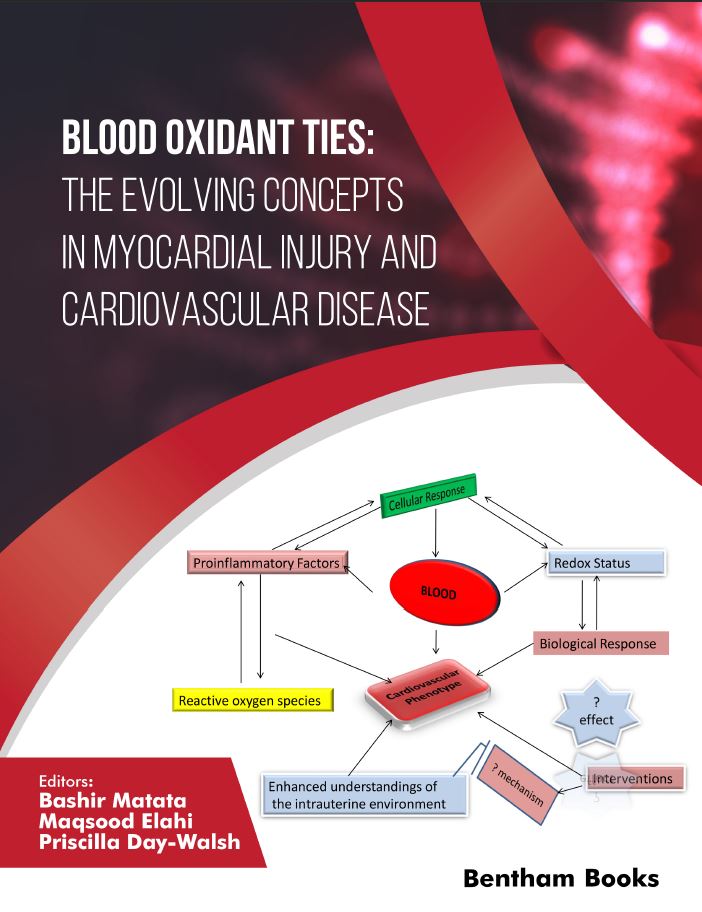
Blood Oxidant Ties: The Evolving Concepts in Myocardial Injury and Cardiovascular Disease
More LessBlood Oxidant Ties: The Evolving Concepts in Myocardial Injury and Cardiovascular Disease is an update on the recent advances in the development of antioxidant-based therapies. It starts with an overview of the mechanisms underlying the genesis of oxidative stress, summarizing the link between oxidative stress and a number of cardiovascular conditions. This is followed by an explanation of how oxidative stress interacts with lipid metabolism and the placental environment. Three chapters on the role of antioxidant-based therapy for cardiovascular diseases round up the book.
Key Features
- Outlines several cell-signaling pathways that are modulated by the interplay between reducing and oxidizing agents (redox status) and gene expression in the cardiovascular disease process
Brings information about maternal programming environment in the placenta
- Covers development of novel nanotechnology-based antioxidant delivery systems for effective drug delivery
- Includes references for further reading
The book is aimed at a broad readership of scientific and medical professionals involved in research on cardiovascular diseases, pathophysiology, pharmacy, pharmaceutical science and life sciences. It also serves as a reference for scholars who want to understand the complex biochemical mechanisms of antioxidant agents.
-
-
-

Body Contouring Following Bariatric Surgery And Massive Weight Loss: Post-Bariatric Body Contouring
More LessBody contouring is a rapidly growing field within plastic surgery. Safe and effective techniques have been developed in recent times with increased patient satisfaction indicated by visual analogue scores.
This book brings together contributions from leading experts in bariatric surgery from all across the globe. The body contouring techniques and procedures described in the book have been developed specifically to treat massive weight loss patients in contrast to traditional methods that are normally unsuitable for such patients. These procedures focus on maximizing the removal of excess and unwanted skin whilst preserving volume and restoring contour. The key issue of patient safety is also addressed in the book.
Body Contouring Following Bariatric Surgery and Massive Weight Loss should be a useful resource for surgeons and clinicians interested in massive weight loss surgery and satisfactory visual analogue scores.
-
-
-
Bone Marrow Aspirate Concentrate and Expanded Stem Cell Applications in Orthopaedics
More LessThis reference presents insights into the development of bone marrow aspirate stem cell (BMAC) technology and the potential role of stem cell expansion in the regeneration of damaged and deficient musculoskeletal tissues. The book features valuable contributions from stem cell therapy experts from around the world. The authors explain the production, proliferation, differentiation into various tissues, and medical applications of stem cells. In addition to work on the use of stem cells in the treatment of non-unions and bone defects, the book explores the potential for articular cartilage regeneration, repair of tendon injuries, the treatment of degenerative joint disease, revascularization of bone and regeneration of damaged nerves as well as spinal cord injury. The authors also explain ethical challenges faced by researchers and public authorities working on stem cells and the varying constraints on the development of this technology around the world.
Scientists and surgeons, alike, who are involved in the fields of orthopaedics, rheumatology, stem cell and regenerative medicine will benefit from the illuminating snapshot of the applications of BMAC stem cell expansion presented in the volume.
-
-
-
Bose Einstein Condensation of Excitons and Polaritons
More LessThis reference book explains the fundamentals of Bose Einstein Condensation (BEC) in excitons and polaritons. It presents five chapters exploring fundamental concepts and recent developments on the subject. Starting with a historical overview of BEC, the book progresses into the origins and behaviors of excitons and polaritons. Chapters also cover the unique thermalization and relaxation kinetics of excitons, and the distinctive features of polaritons, such as lasing, superfluidity, and quantized vortices.
The chapters dedicated to BEC in excitons and polaritons detail experimental techniques, theoretical modeling, recent advancements, and practical applications in a simplified way for beginners. This book serves as a resource for researchers, physicists, and students interested in the phenomena of BEC, providing insights into both the theoretical foundations and the practical implications of excitons and polaritons.
-
-
-
Botanicals and Natural Bioactives: Prevention and Treatment of Diseases
Bentham Briefs in Biomedicine and Pharmacotherapy
More LessBentham Briefs in Biomedicine and Pharmacotherapy showcases the latest developments and techniques in the fields of pharmacology and healthcare, presenting them in distinctive volumes. Each volume offers a concise, focused overview of subjects, authored by experts in the field. The book series serves as an anthology for graduate students and researchers in pharmacology and life sciences, as well as medical professionals seeking specialization for research-related projects.
The second volume, Botanicals and Natural Bioactives: Prevention and Treatment of Diseases, discusses the medicinal applications of natural bioactives in the treatment of a variety of physiological disorders, including cardiovascular diseases, neurological dysfunctions, infectious diseases, age-related diseases, and cancer. The volume has eight chapters on disease treatment and preventative measures, with contributions from more than twenty experts. Readers will comprehend the niche utilization of botanicals and natural bioactives as medicinal agents for a variety of ailments. Overall, the chapters dwell on the chemosensory features of nutritious foods to avoid non-communicable diseases and the role of immunomodulating natural products and botanicals in the prevention and treatment of skin diseases, aging, inflammation, cancer, parasitic infections in the bloodstream, neurodegenerative diseases, osteoporosis, coronary heart disease, and autoimmune disorders. The variety of topics covered in this book makes it an excellent resource for a wide audience interested in phytomedicine.
-
-
-

Boundary Element Methods for Heat Transfer with Phase Change Problems: Theory and Application
More LessThe mathematical modelling of free and moving boundary problems are an important topic in engineering, industry, technology and theoretical sciences. These models allow us to make calculations involved in phase change transitions of materials due to heat transfer.
Boundary layer applications are widespread in research and industry. Boundary Element Methods for Heat Transfer with Phase Change Problems: Theory and Application equips the reader with information about heat transfer problems occurring during phase changes. The book covers several boundary element methods, including methods for phase changes, fixed and moving domains and new approaches. The contents are rounded off with chapters on numerical results and industrial applications.
Key features:
- Simple, didactic presentation of boundary layer problems for heat transfer problems
- Covers a wide range of boundary element methods
- Includes methods for fixed and moving domains
- Explains industrial applications of the methods
- Includes solutions to numerical problems
The book serves as a textbook for students of advanced mathematics and engineering. It is also a handbook for researchers working on numerical analysis, who require a focused volume on boundary element methods for heat transfer applications.
-
-
-

Brain Ischemic Stroke - From Diagnosis to Treatment
Frontiers in Neurosurgery: Volume 3
More LessStroke is thought to be the second biggest killer worldwide, and is responsible for over 5 million deaths per year. Several strategies have been developed to enhance treatment of stroke patients. Multimodal neuroimaging allows physicians to diagnose and evaluate not only the ischemic core but also the vessel pattern and collateral status. Stroke Treatment involves extensive intravenous drug administration. Several new drugs with long lasting efficacy are now being tested in randomized clinical trials. In this context, endovascular treatment is a promising avenue that allows physicians to treat patients in extended time windows especially patients in whom intravenous RTPA has failed. A new era has emerged with new devices called stent retrievers and aspiration techniques, which have demonstrated higher rates of recanalization and clear superiority over previous devices employed in RCTs.
The third volume of Frontiers in Neurosurgery presents updated information on ischemic stroke treatment. The volume comprehensively covers the epidemiology, physiology, diagnosis and treatment modalities of stroke. Readers will also find key information on diagnosing and treating rare and lesser known causes of stroke as well as notes about new devices and medical procedures to combat ischemic stroke. This volume is a useful resource for neurosurgery specialists as well as nurses, physiotherapists and caregivers.
-