Bentham Science Publishers
Bentham Science Publishers is a major publisher of more than 100 peer-reviewed science, technology and medical (STM) journals, along with a rapidly growing collection of eBooks. Since 1993, Bentham Science Publishers has been catering to the information needs of the pharmaceutical, engineering, biomedical and medical research community.1061 - 1080 of 1956 results
-
-
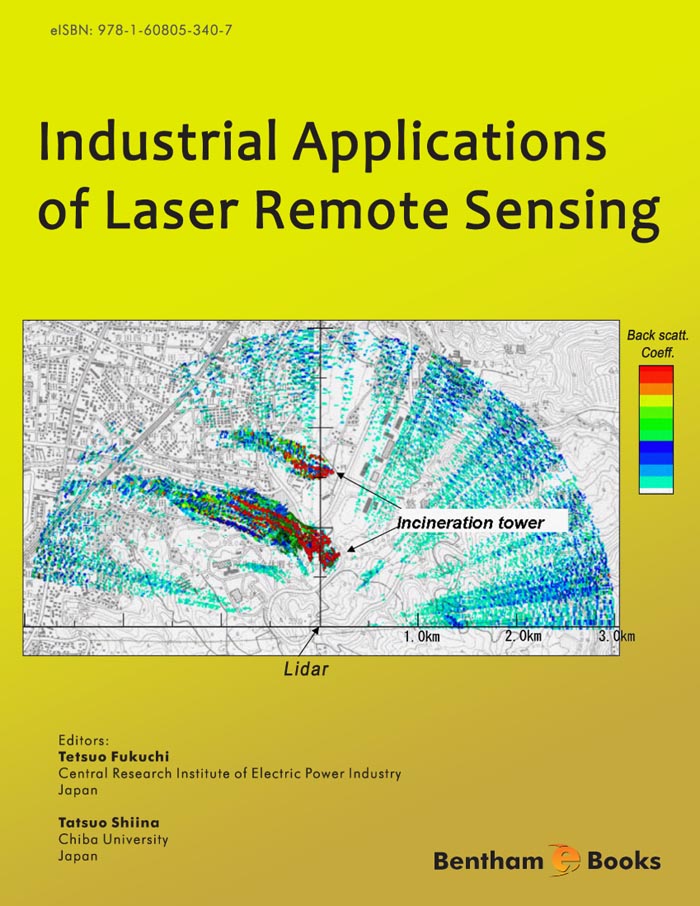
Industrial Applications of Laser Remote Sensing
More LessThis e-book is an essential review of land-based laser sensing methods, such as differential absorption, Raman scattering, laser-induced fluorescence, Doppler effect methods, laser-induced breakdown spectroscopy, and laser ultrasonics, and their respective application to specific industrial needs, such as natural gas leak detection, hydrogen gas leak detection, pollutant detection, wind profiling for windmill sites, minor constituent monitoring and concrete structure health monitoring. Readers will gain an updated overview of laser remote sensing techniques and their applications to the industrial environment.
-
-
-
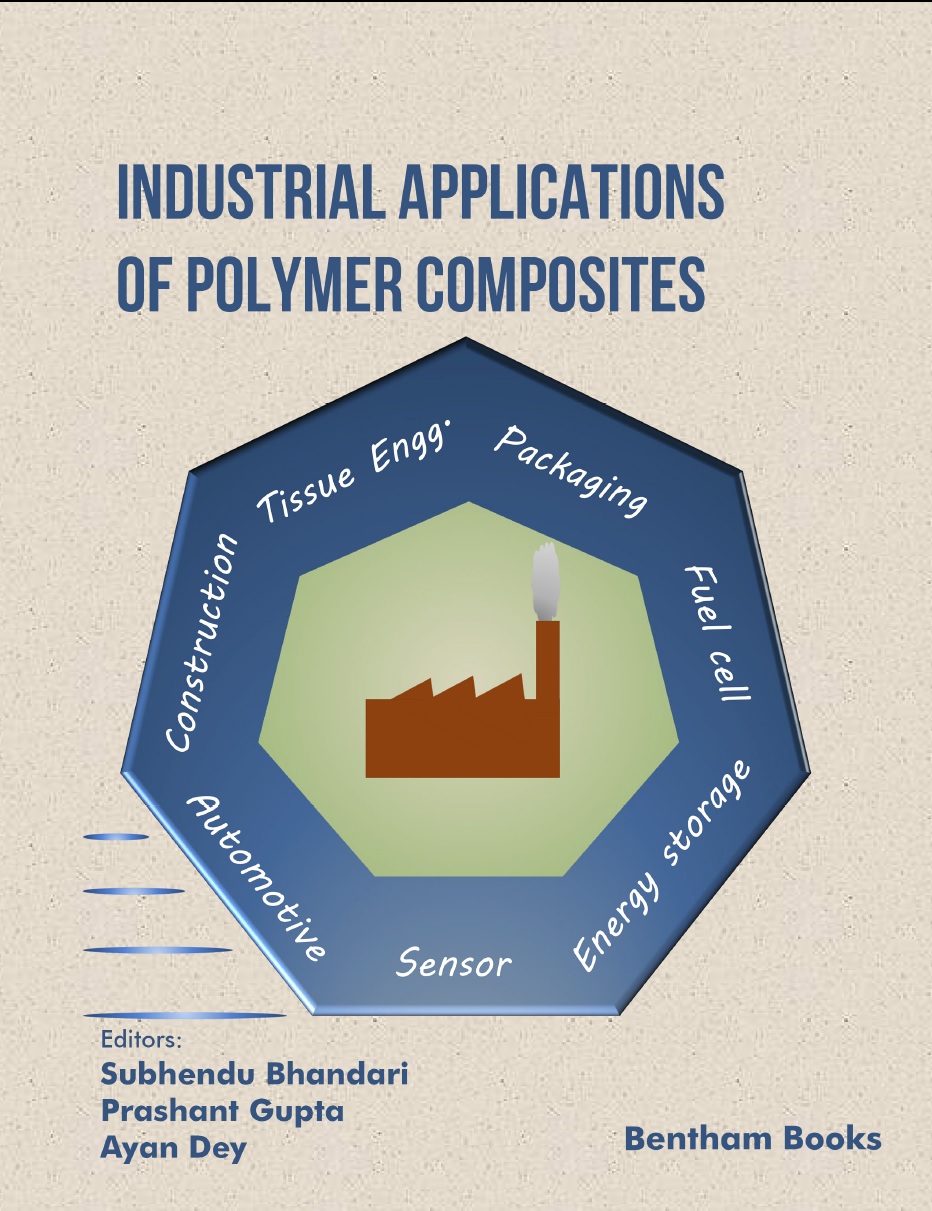
Industrial Applications of Polymer Composites
Frontiers in Polymer Science: Volume 1
More LessThis volume is a comprehensive guide to the industrial use of polymer composites. Edited contributions demonstrate the application of these materials for different industrial sectors. The book covers the benefits, future potential, and manufacturing techniques of different types of polymers. Contributors also address challenges in using nanopolymers in these industries. Readers will find valuable insights into the current demand and supply of polymer composites and future scope for research and development in this field of polymer science. The volume presents seven chapters, each exploring a different application of polymer composites. Chapter 1 discusses the use of polymer additives for improving classical concrete and the workability and durability of polymer composite concrete. Chapter 2 explores the use of polymer nanocomposites in packaging, including smart/intelligent packaging, modified atmosphere packaging, and vacuum packaging. Chapter 3 delves into the use of polymer composites in tissue engineering, including manufacturing techniques and various applications. Chapter 4 explores energy storage applications for polymer composites, while Chapter 5 discusses their use in microbial fuel cells. Chapter 6 explores the use of carbon nanotubes in polymer composite gas sensors. Finally, Chapter 7 discusses the use of polymer composites in automotive applications. This is an ideal reference for researchers, scientists, engineers, and professionals in the fields of materials science, polymer science, engineering, and nanotechnology. The content is also suitable for graduate and postgraduate students studying industrial manufacturing.
-
-
-
Industrial Applications of Soil Microbes: Volume 2
More LessThis volume is a compilation of reviews on the industrial usage of soil microorganisms. The contents include 16 brief reviews on different soil microbe assisted industrial processes. Readers will be updated about recent applications of soil bacteria, fungi and algae in sectors such as agriculture, biotechnology, environmental management.
The reviews also cover special topics like sustainable agriculture, biodiversity, ecology, and intellectual property rights of patented strains, giving a broad perspective on industrial applications of soil microbes.
Volume 2 includes reviews on destructive microbes like Macrophomina Phaseolina, eco-friendly microbes like Beauveria Bassiana, the identification of fungi in the rhizosphere, the industrial application of Trichoderma, and other topics. The text is easy to understand for readers of all levels, with references provided for the benefit of advanced readers.
-
-
-
Industrial Applications of Soil Microbes: Volume 1
More LessThis volume is a compilation of reviews on the industrial usage of soil microorganisms. The contents include 15 brief reviews on different soil microbe assisted industrial processes. Readers will be updated about recent applications of soil bacteria, fungi and algae in sectors such as agriculture, biotechnology, environmental management.
The reviews also cover special topics like sustainable agriculture, biodiversity, ecology, and intellectual property rights of patented strains, giving a broad perspective on industrial applications of soil microbes. The text is easy to understand for readers of all levels, with references provided for the benefit of advanced readers.
-
-
-
Industrial Applications of Soil Microbes: Volume 3
More LessThis volume is a compilation of reviews on the industrial usage of soil microorganisms. The contents include 16 brief reviews on different soil microbe assisted industrial processes. Readers will be updated about recent applications of soil bacteria, fungi and algae in sectors such as agriculture, biotechnology, environmental management.
The reviews also cover special topics like sustainable agriculture, biodiversity, ecology, and intellectual property rights of patented strains, giving a broad perspective on industrial applications of soil microbes.
Volume 3 emphasizes various soil microorganisms including cyanobacteria and mycorrhiza. The 16 chapters cover the ecological significance of mycorrhiza to and their role in sustainable agriculture, microbial interactions with nematodes, microbes as biocontrol agents, and the use of endophytes in agriculture, Chapters also shed light on industrial aspects and microbial biotransformation, providing a comprehensive view of sustainable agricultural practices. Special topics such as the microbial carotenoids are also included.
-
-
-
Industrial Applications of Soil Microbes: Volume 4
More LessIndustrial Applications of Soil Microbes is a compilation of reviews on the industrial usage of soil microorganisms. Readers will be updated about recent applications of soil bacteria, fungi and viruses in sectors such as agriculture, biotechnology, environmental management.
Volume 4 includes review on mycorrhizal fungi, endophytes and a range of microbial chemicals and processes beneficuall at industrial scale. The 19 chapters start with an overview of mycorrhizae as biofertilizers, their symbiosis with plants, and their applications in improving crop yield, stress management, and soil health. Case studies on Lycopersicon esculentum highlight practical benefits. Soil microbes, endophytes, and microbial proteases are discussed for their role in biocontrol, disease management, and crop improvement. The volume also explores eco-friendly nematicides, viruses in temperate fruit crops, mushrooms' nutritional value, and metagenomics for bioinoculants. Overall, the volume emphasizes sustainable practices and future prospects involving microbes and microbe-assisted processes.
-
-
-
Industrial Internet of Things: An Introduction
More LessIndustrial Internet of Things: An Introduction explores the convergence of IoT and machine learning technologies in transforming industries and advancing economic growth. This comprehensive guide examines foundational principles, innovative applications, and real-world case studies that showcase the power of IoT-enabled intelligent systems in enhancing efficiency, sustainability, and adaptability.
The book is structured into five parts. The first part introduces industrial IoT concepts, including algorithms, deep learning prediction models, and smart production techniques. The second section addresses machine learning and collaborative technologies, focusing on artificial neural networks, and AI`s role in healthcare and industrial IoT. Subsequent chapters explore real-world applications, such as IoT adoption in healthcare during COVID-19 and intelligent transportation systems. The final sections address advanced IIoT progressions and the role of IoT in energy production using byproducts.
Key Features:
- Foundational concepts and algorithms for industrial IoT.
- Integration of machine learning in IoT systems.
- Case studies on healthcare, transportation, and sustainability.
- Insights into energy production using IoT.
-
-
-
Industry 4.0 Convergence with AI, IoT, Big Data and Cloud Computing: Fundamentals, Challenges and Applications
IoT and Big Data Analytics: Volume 4
More LessThis volume showcases upcoming trends and applications that are set to redefine our technological landscape. Chapters comprise referenced reviews focused on the recent research that introduces new methods and techniques for using AI in Industry 4.0, and the integration of Internet of Things (IoT) to drive new industrial processes. The contributors have discussed challenges in industry 4.0 along with the applications and the way it is shaping different industries.
Key themes:
AI in Communication Media: Uncover the latest research, with insights into the challenges and adoption of AI in remote processes.
New AI Techniques for Industry 4.0: Learn about technologies such as blockchains and applications of machine learning, deep learning, and image processing.
IoT and AI for Smart Systems: Understand IoT with a special focus on enhancing smart systems, in different industries, including agriculture and transaction processing
Explorable AI: Gain a quick understanding of Explainable AI (XAI) and its role in improving the predictability and transparency of IoT applications.
Whether you're a tech enthusiast, researcher, or industry professional, this book offers a glimpse into the innovative world of Industry 4.0 and its intersection with AI, IoT, big data, and cloud computing.
-
-
-
Industry 5.0 for Society 5.0: Advancing Medical IoT and Smart Healthcare (Part 1)
More LessThis timely and comprehensive volume explores the evolving concept of Society 5.0 a forward-looking, human-centered society where cutting-edge technologies such as the Internet of Things (IoT), Artificial Intelligence (AI), robotics, and augmented reality seamlessly integrate into daily life, healthcare, industry, and public services to enhance quality of life and social well-being. Industry 5.0, as a vital enabler of this vision, emphasizes collaborative interactions between humans and smart systems, driving innovations in personalized healthcare, sustainable industries, and connected communities.
This first part of a multi-volume set provides readers with foundational insights into the principles, enabling technologies, and strategic opportunities shaping Industry 5.0 and Society 5.0. Edited contributions from subject matter experts offer a roadmap for harnessing Medical IoT (Internet of Medical Things) applications within this new societal framework. The book covers essential topics such as high-performance computing in healthcare decision support, AI-driven diagnostic solutions, cybersecurity in digital health systems, and ethical data practices in patient care. It also highlights emerging use cases, including IoT-enabled wearable devices for women's security and smart diagnostic tools for early disease detection.
Key features:
Presents a detailed overview of Industry 5.0 and Society 5.0, their fundamentals, enabling technologies, and future prospects.
Examines the role of Industry 5.0 in transforming medical and healthcare services through the integration of IoT and AI-driven solutions.
Explores innovative applications such as AI-based diabetic retinopathy detection, IoT applications in digital healthcare, and patient-centric data ethics frameworks.
Discusses advances in smart farming and sustainable industrial practices within the Industry 5.0 paradigm.
Highlights opportunities for bridging research gaps in high-performance computing for holistic healthcare decision support.
Provides use case studies on IoT-enabled healthcare security solutions and digital health systems.
-
-
-
Industry 5.0 for Society 5.0: Revolutionizing Smart Farming, Manufacturing, and Green Computing (Part 2)
More LessThis second installment in a two part series delves deeper into practical applications and domain-specific implementations of industry 5.0 principles, particularly in smart agriculture, next-generation manufacturing, and green computing.
Through a multidisciplinary lens, the book examines the fusion of intelligent systems, medical IoT, and sustainable practices that contribute to societal well-being. Structured across three major themessmart farming, current-era manufacturing, and green computingthe chapters provide in-depth analyses of enabling technologies, evolving methodologies, and real-world case studies. The narrative emphasizes co-evolution of industrial and social needs, encouraging readers to explore the transformative potential of AI, IoT, and Industry 5.0 innovations.
Key Features
Analyzes AI-driven innovations in agriculture and sustainable food systems
Explores medical IoT, intelligent diagnostics, and healthcare transformation
Gives an understanding of Industry 5.0's impact on predictive maintenance and smart factories
Applies green computing and deep learning for sustainable development
Bridges theory and practice through real-world use cases and emerging solutions
-
-
-

Infections and Male Infertility: General Pathophysiology, Diagnosis, and Treatment (Part I)
More LessInfections and Male Infertility (Part I): General Pathophysiology, Diagnosis, and Treatment explores the complex link between infections and male infertility, providing a comprehensive examination of their impact on reproductive health. This book integrates key concepts from molecular biology, immunology, and clinical practice to highlight the pathophysiology, diagnosis, and treatment of infection-induced infertility.
Key Features:
- Multidisciplinary insights from molecular biology, immunology, and reproductive medicine.
- Comprehensive coverage of infections affecting male fertility, including diagnosis and treatment.
- Discussion of emerging therapies, including stem cell research and personalized medicine.
-
-
-
Infectious Diseases
Herbal Medicine: Back to the Future: Volume 5
More LessHerbal Medicine: Back to the Future compiles expert reviews on the application of herbal medicines (including Ayurveda, Chinese traditional medicines and alternative therapies) to treat different ailments. The book series demonstrates the use of sophisticated methods to understand traditional medicine, while providing readers a glimpse into the future of herbal medicine.
Volume 5 continues the theme of the previous volume by featuring reviews of plant based therapies useful for treating different infectious diseases. Topics in this volume are of general interest to computational chemistry researchers, physicians and a broad range of allied healthcare practitioners. Other highlights of this volume include contributions about COVID-19, and traditional medicine in Algeria and China. The topics included in this volume are:
- Improving curcumin and eugenol through computational chemistry and nanotechnology
- Herbal remedies for respiratory tract infections
- COVID-19 pandemic: a comprehensive overview of epidemiological, pathogenesis, diagnostic aspects and therapeutic interventions to tackle current outbreak
- Application of mid-infrared spectroscopy on therapeutic effects of herbal medicine in infectious diseases
- Traditional herbal uses from Algerian pharmacopoeia against infectious diseases
- Traditional Chinese medicine for treating infectious diseases: history, progress, and perspectives
This volume is essential reading for all researchers in the field of natural product chemistry and pharmacology. Medical professionals involved in internal medicine who seek to improve their knowledge about herbal medicine and alternative therapies for tropical and other infectious diseases will also benefit from the contents of the volume.
-
-
-
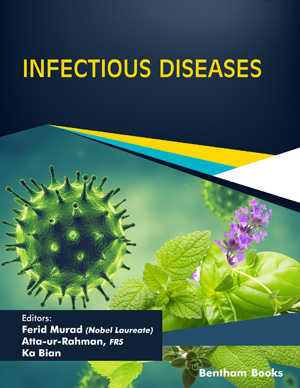
Infectious Diseases
Herbal Medicine: Back to the Future: Volume 4
More LessHerbal Medicine: Back to the Future compiles expert reviews on the application of herbal medicines (including Ayurveda, Chinese traditional medicines and alternative therapies) to treat different ailments. The book series demonstrates the use of sophisticated methods to understand traditional medicine, while providing readers a glimpse into the future of herbal medicine.
This volume presents reviews of plant based therapies useful for treating different infectious diseases. The list of topics includes some niche reviews in this area including a review of the neem plant, the historical use of herbs in infectious disease therapy in Russia, and natural remedies from garlic, among other topics., The topics included in this volume are:
- Improving anti-microbial activity of allicin and carvacrol through stabilized analogs and nanotechnology
- Plant phenolics as an alternative source of antimicrobial compounds
- Herbal medicine in Russia’s history: the use of herbal medicine for infectious diseases in Russia’s history
- Azadirachta indica (neem) in various infectious diseases
- Contribution of novel delivery systems in the development of phytotherapeutics
This volume is essential reading for all researchers in the field of natural product chemistry and pharmacology. Medical professionals involved in internal medicine who seek to improve their knowledge about herbal medicine and alternative therapies for tropical and other infectious diseases will also benefit from the contents of the volume.
-
-
-

Infectious Diseases
Herbal Medicine: Back to the Future: Volume 6
More LessHerbal Medicine: Back to the Future compiles expert reviews on the application of herbal medicines (including Ayurveda, Chinese traditional medicines and alternative therapies) to treat different ailments. The book series demonstrates the use of sophisticated methods to understand traditional medicine, while providing readers a glimpse into the future of herbal medicine.
This volume presents reviews of plant based therapies useful for treating different infectious diseases. The reviews highlight different sources of antiviral, antibacterial and antifungal herbs. The volume concludes with a review on the therapeutic potential of herbs for treating rheumatoid arthritis. The chapters included in this volume are as follows:
- Brazilian Siparuna species as a Source of antiviral agents
- Antimicrobial and antifungal potential of Indian spices
- Role of herbal medicines in the treatment of infectious diseases
- Herbal medicine: traditional approach to treat infectious diseases
- Exploring the therapeutic potential of medicinal plants for rheumatoid arthritis
This volume is essential reading for all researchers in the field of natural product chemistry and pharmacology. Medical professionals involved in internal medicine who seek to improve their knowledge about herbal medicine and alternative therapies for tropical and other infectious diseases will also benefit from the contents of the volume.
-
-
-
Infectious Disorders - Drug Targets
More LessInfectious Disorders - Drug Targets aims to cover all the latest and outstanding developments in medicinal chemistry, pharmacology, molecular biology, genomics and biochemistry of contemporary molecular targets involved in infectious disorders, e.g. disease disease-specific proteins, receptors, enzymes and genes. Each issue of the journal contains a series of timely, in-depth reviews/mini-reviews and research articles written by leaders in the field, covering a range of current topics on drug targets involved in infectious disorders. As the discovery, identification, characterization and validation of novel drug targets for anti-infective drug discovery continue to grow, this journal will be essential reading for all pharmaceutical scientists involved in drug design, discovery and development. All aspects of the epidemiology, pathogenesis, clinical relevance, theranostics, as well as preventive measures related to infectious disorders caused by bacteria, fungi, parasites, viruses, HIV and other sexually transmitted diseases (STDs) are also included in the scope of the journal.
Infectious Disorders - Drug Targets is an international, peer-reviewed journal on all aspects of drug targets involved in infectious disorders, published bi-monthly (print & online) by Bentham Science Publishers.
-
-
-

Inflammation & Allergy-Drug Targets (Discontinued)
More LessInflammation & Allergy - Drug Targets aims to cover all the latest and outstanding developments on the medicinal chemistry, pharmacology, molecular biology, genomics and biochemistry of contemporary molecular targets involved in inflammation and allergy e.g. disease specific proteins, receptors, enzymes, genes. Each issue of the journal contains a series of timely in-depth reviews written by leaders in the field covering a range of current topics on drug targets involved in inflammation and allergy. As the discovery, identification, characterization and validation of novel human drug targets for anti-inflammation and allergy drug discovery continues to grow, this journal has become essential reading for all pharmaceutical scientists involved in drug discovery and development.
-
-
-
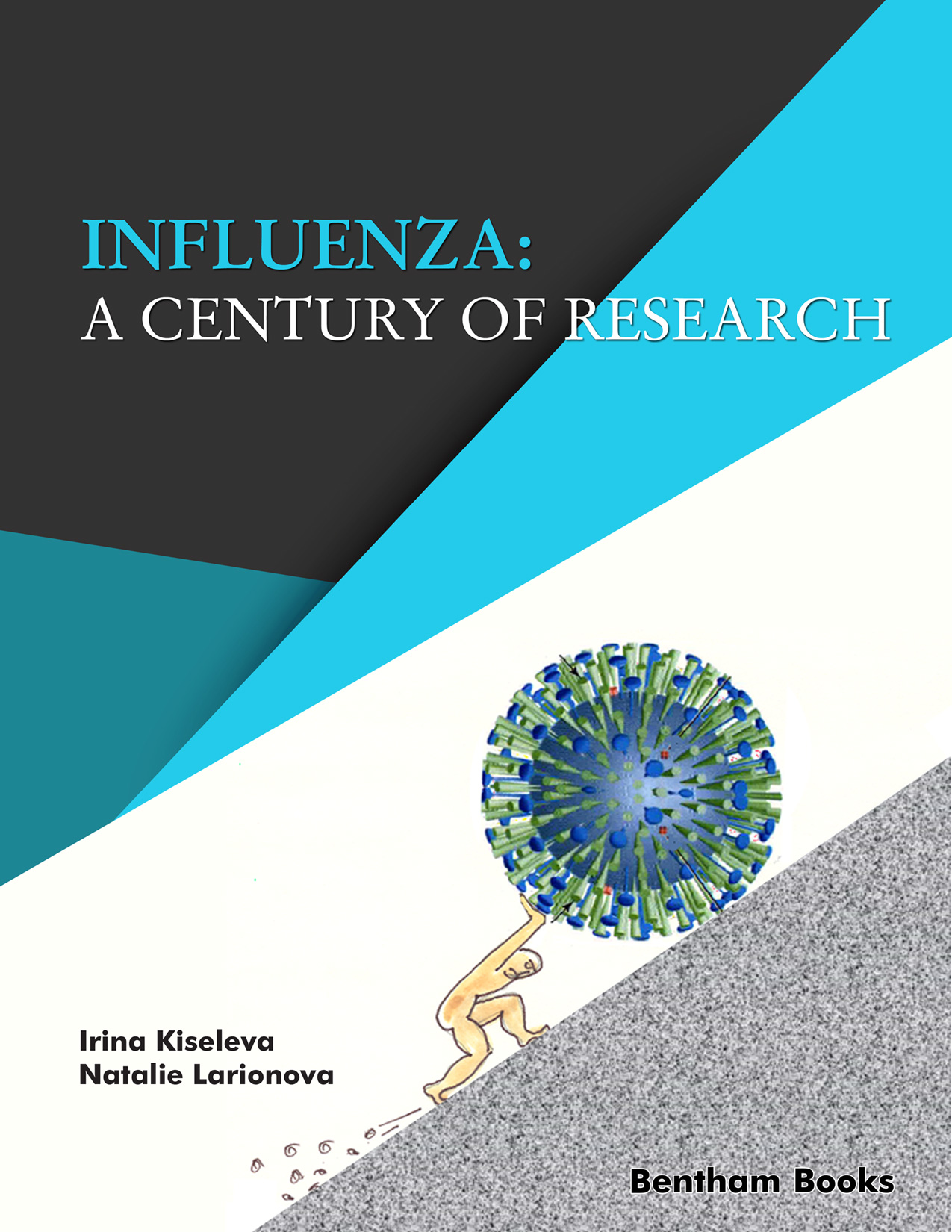
Influenza: A Century of Research
More LessInfluenza is one of the most ancient and intriguing diseases that has been accompanying our civilization for millennia. While mankind has successfully defeated many dangerous influenza infections in the last couple of centuries, influenza control remains a serious problem for public health. A number of influenza vaccines and antiviral compounds have been licensed in recent times. However, the influenza virus is still ahead of us, as it continues to persistently infect humans to this day. Influenza: A Century of Research shows how influenza virology has developed historically and the tremendous knowledge that has been uncovered in the study of influenza. In this monograph, the authors present a historical perspective on influenza, chronologically, with an emphasis on its virology. Chapters cover information about the isolation of the first influenza viruses, substrates, and models for studying influenza, structure, and life cycle of the influenza virus, mechanisms of attenuation and virulence. Chapters progress into the multidisciplinary aspects of influenza research such as influenza virus ecology and the evolutionary origin of epidemic and pandemic influenza viruses. A significant part of the book also covers the description of the prevention and treatment of influenza and reasons that have contributed to insufficient control for influenza. The questions of how the COVID-19 pandemic affects the circulation of seasonal respiratory viruses, and if we can eliminate this virus are also addressed.
Influenza: A Century of Research is an informative source of information for a broad range of readers, academic or otherwise, who are interested in knowing more about the disease.
-
-
-
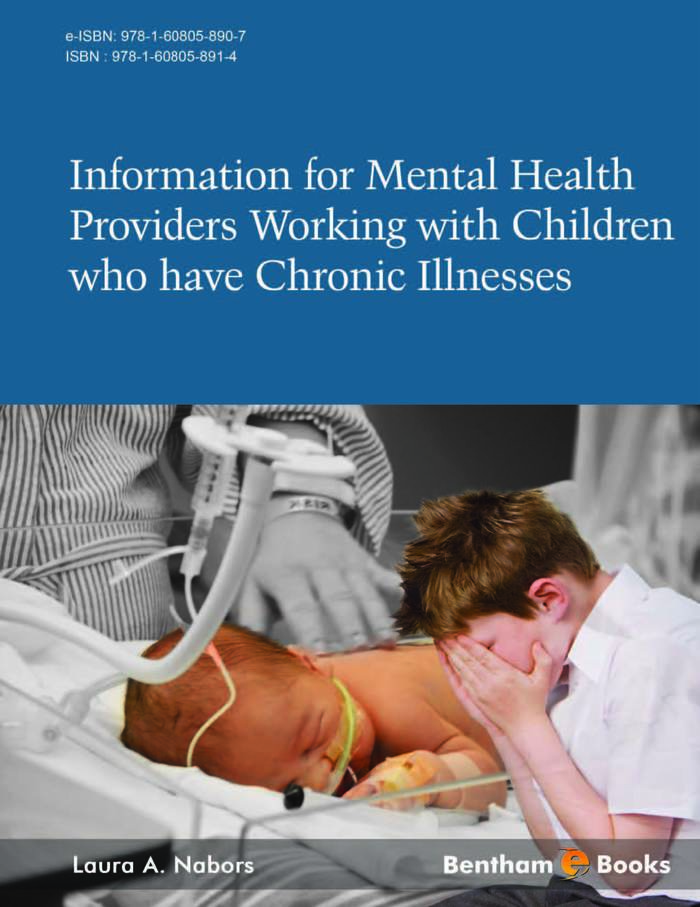
Information for Mental Health Providers Working with Children who have Chronic Illnesses
More LessThis eBook provides critical information for mental health providers, including counselors, psychologists, and social workers, who are interested in providing services for children with chronic illnesses. The contents of the eBook focus on enhancing resilience in children with chronic illnesses or medical conditions and their families as they strive to adjust as the child copes with the waxing and waning symptoms of his or her illness. Practical suggestions for working with children and families are also provided along with a thorough review of relevant literature. Readers of this eBook will gain a better understanding of social work and health care issues related to promoting health and wellness among children suffering from long term illnesses. This eBook is also useful for graduate students training to become counselors or therapists.
-
-
-
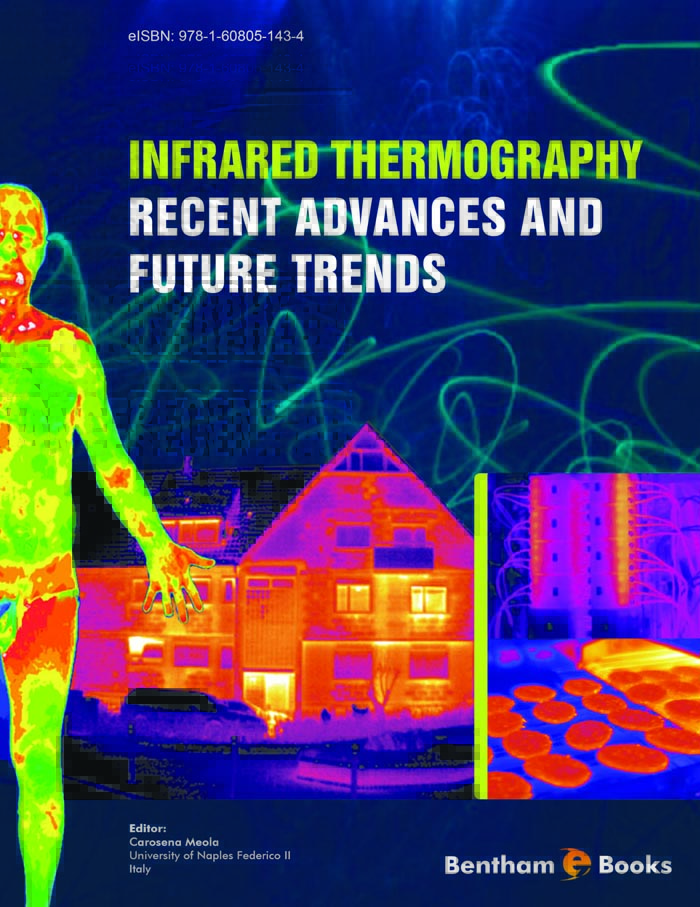
Infrared Thermography Recent Advances and Future Trends
More LessInfrared thermography (IRT) is a non-contact, non-invasive methodology which allows for detection of thermal energy that is radiated from objects in the infrared band of the electromagnetic spectrum, for conversion of such energy into a visible image (such as a surface temperature map). This feature represents a great potential to be exploited in a vast variety of fields from aerospace to civil engineering, to medicine, to agriculture, etc. However, IRT is still not adequately enclosed in industrial instrumentation and there are still potential users who might benefit from the use of such a technique and who are not aware of their existence.
This e-book conveys information about basic IRT theory, infrared detectors, signal digitalization and applications of infrared thermography in many fields such as medicine, foodstuff conservation, fluid-dynamics, architecture, anthropology, condition monitoring, non destructive testing and evaluation of materials and structures. The volume promotes an exchange of information between the academic world and industry, and shares methodologies which were independently developed and applied in specific disciplines.
-