


Bentham Science Publishers
Bentham Science Publishers is a major publisher of more than 100 peer-reviewed science, technology and medical (STM) journals, along with a rapidly growing collection of eBooks. Since 1993, Bentham Science Publishers has been catering to the information needs of the pharmaceutical, engineering, biomedical and medical research community.601 - 620 of 1976 results
-
-
Current Topics in Engineering (Discontinued)
More LessCurrent Topics in Engineering publishes original research articles, letters, case reports, reviews/mini-reviews, and guest-edited thematic issues dealing with various topics related to engineering.
Current Topics in Engineering is not limited to a specific aspect of the field but is instead devoted to a wide range of sub-fields in the field. Articles of a multi-disciplinary nature are particularly welcome. Submissions in the following areas are of special interest to the readers of this journal:
● Aerospace Engineering
● Chemical Engineering
● Applied Engineering
● Ceramics Engineering
● Industrial Engineering
● Nuclear Engineering
● Biological Engineering
● Electrical Engineering
● Materials Engineering
● Offshore Engineering
● Civil Engineering
● Financial Engineering
● Mechanical Engineering etc.
-
-
-
Current Topics in Medicinal Chemistry
More LessCurrent Topics in Medicinal Chemistry is a forum for the review of areas of keen and topical interest to medicinal chemists and others in the allied disciplines. Each issue is solely devoted to in-depth mini-reviews/ research and guest-edited reviews/ research which provide the reader with a comprehensive survey of that respective area. A Guest Editor who is an expert in the topic under review will assemble each issue. The scope of Current Topics in Medicinal Chemistry will cover all areas of medicinal chemistry, including current developments in rational drug design, synthetic chemistry, bioorganic chemistry, high-throughput screening, combinatorial chemistry, compound diversity measurements, drug absorption, drug distribution, metabolism, new and emerging drug targets, natural products, pharmacogenomics, and structure-activity relationships. Medicinal chemistry is a rapidly maturing discipline. Understanding the relationship between structure and function is crucial to understand the molecular basis of life. Current Topics in Medicinal Chemistry aims to contribute to the growth of scientific knowledge and insight and facilitate the discovery and development of new therapeutic agents to treat debilitating human disorders. The journal is essential for every medicinal chemist who wishes to be informed and up-to-date with the latest and most important advances.
Current Topics in Medicinal Chemistry is an international, peer-reviewed journal on all aspects of medicinal chemistry, published weekly (print & online) by Bentham Science Publishers.
-
-
-
Current Topics in Menopause
More LessMenopause is a significant event in a woman's life as is generally considered as an indicator for senescence in women. Evidence suggests that menopause results in many psychological and postmenopausal health problems, such as anxiety, osteoporosis, cardiovascular disease, metabolic disorder and others. Menopausal symptoms and associated disorders are of great importance for public health as they influence the quality of life of affected individuals. Therefore proper management of menopause will definitely contribute to healthy aging and the overall well-being of women.
This e-book reviews recent progress in the research and management of menopause and associated health problems. It provides comprehensive coverage of both clinical aspects and basic research of menopause. Topics covered in this e-book include research findings about risk factors for complex medical conditions associated with menopause along with the treatment options for these conditions, with particular emphasis on hormone replacement therapy (HRT). These conditions include osteoporosis, dementia, cardiovascular diseases, obesity and diabetes mellitus.
Subsequent chapters detail on common oncological malignancies post menopause. The e-book concludes with a review of HRT treatment including its advantages and disadvantages followed by a review on risk factors, causes and complications of premature menopause occurring in women before an age of 40 years.
This e-book is a valuable guide for medical researchers and gynecological professionals with a focus on the pathophysiology and treatment of this medical condition.
-
-
-
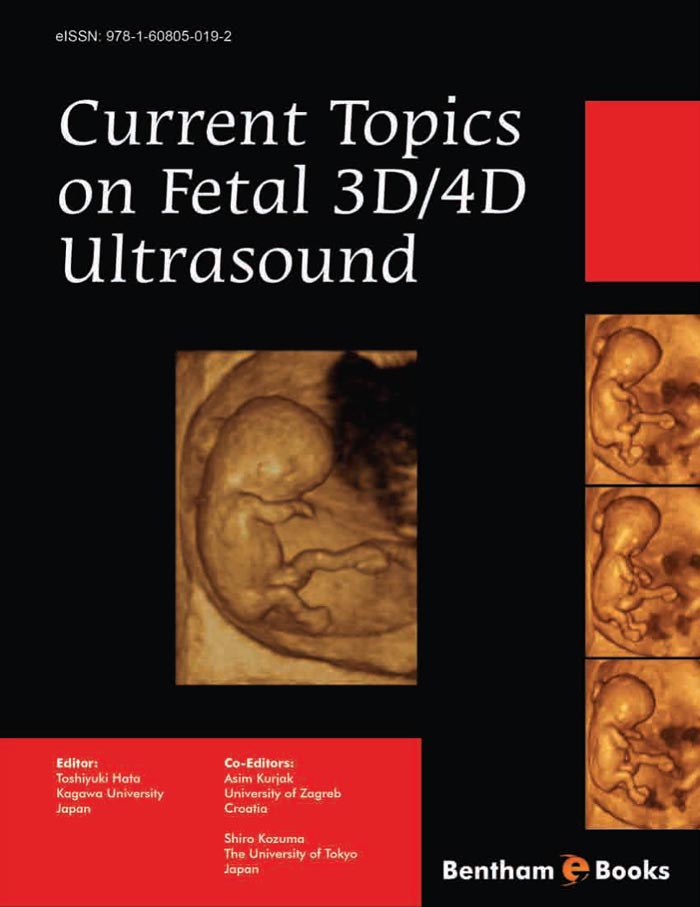
Current Topics on Fetal 3D/4D Ultrasound
More LessA refreshing concise book on issues and considerations in current topics on fetal 3D/4D ultrasound. It is written for obstetricians, perinatologists, pediatricians, sonographers, midwives, psychologists, pediatric cardiologists, and advanced students who wish to increase their familiarity with recent advances on fetal 3D/4D ultrasound. Both clinical and research aspects are presented in this book. Many fetal 3D/4D sonographic images and video clips are given. This book features contributions by 7 noted experts in fetal 3D/4D ultrasound from leading medical centers in the world and should prove to be of great benefit to persons interested in this field.A refreshing concise book on issues and considerations in current topics on fetal 3D/4D ultrasound. It is written for obstetricians, perinatologists, pediatricians, sonographers, midwives, psychologists, pediatric cardiologists, and advanced students who wish to increase their familiarity with recent advances on fetal 3D/4D ultrasound. Both clinical and research aspects are presented in this book. Many fetal 3D/4D sonographic images and video clips are given. This book features contributions by 7 noted experts in fetal 3D/4D ultrasound from leading medical centers in the world and should prove to be of great benefit to persons interested in this field.
-
-
-

Current Topics on Renal Dysfunction: From Basics to Clinic
More LessWith renal dysfunction affecting millions worldwide, this book presents a timely and integrative look at emerging insights—from molecular foundations to clinical management. It explores the intricate mechanisms, systemic impact, and clinical complexities of kidney diseases in a multidisciplinary context.
Spanning a broad spectrum of conditions, the book addresses renal tubular acidosis, polycystic kidney disease, renal lithiasis, diabetic kidney disease, and sodium imbalancelinked hypertension. Chapters delve into nephrotoxicity, loss of cellular identity in renal carcinoma, epigenetics, dysbiosis, and the evolving role of SGLT2 inhibitors. The book also highlights innovative approaches such as stem cell therapy and the systemic immune interactions that underlie chronic kidney injury.
Key Features:
Examines genetic and epigenetic underpinnings of renal disease
Explores microbiota and immune system crosstalk in kidney pathology
Discusses both acute and chronic conditions with clinical relevance
Integrates foundational science with translational perspectives
Includes emerging therapies and precision medicine approaches
-
-
-
Current Traditional Medicine
An open access journal publishing under license CC-BY 4.0
More LessCurrent Traditional Medicine covers all the aspects of the modernization and standardization research on the traditional medicine of the world, e.g., chemistry, pharmacology, molecular mechanism, systems biology, proteomics, genomics, metabolomics, safety, quality control, clinical studies of traditional Chinese, Ayurvedic, Unani, Arabic, and other ethnomedicine, and their practical use in the prevention and treatment of diseases. Each issue contains updated comprehensive, in-depth/mini-reviews along with high-quality original experimental research articles. Current Traditional Medicine is a leading and important international peer-reviewed journal reflecting the current outstanding scientific research progress of global traditional, indigenous, folk, and ethnologic medicine. Topics related to herbal medicine, manual wound healing methods, and other unconventional health care practices, such as acupuncture, homeopathy, naturopathy, are also included. It provides a bridge that connects the traditional medicine system to modern life science with the efforts of top scientists, as well as a resource to pursue the solutions for the existing common issues in traditional medicine.
Current Traditional Medicine is an international, peer-reviewed open access journal on all aspects of traditional medicine, published continuously by Bentham Science Publishers.
-
-
-
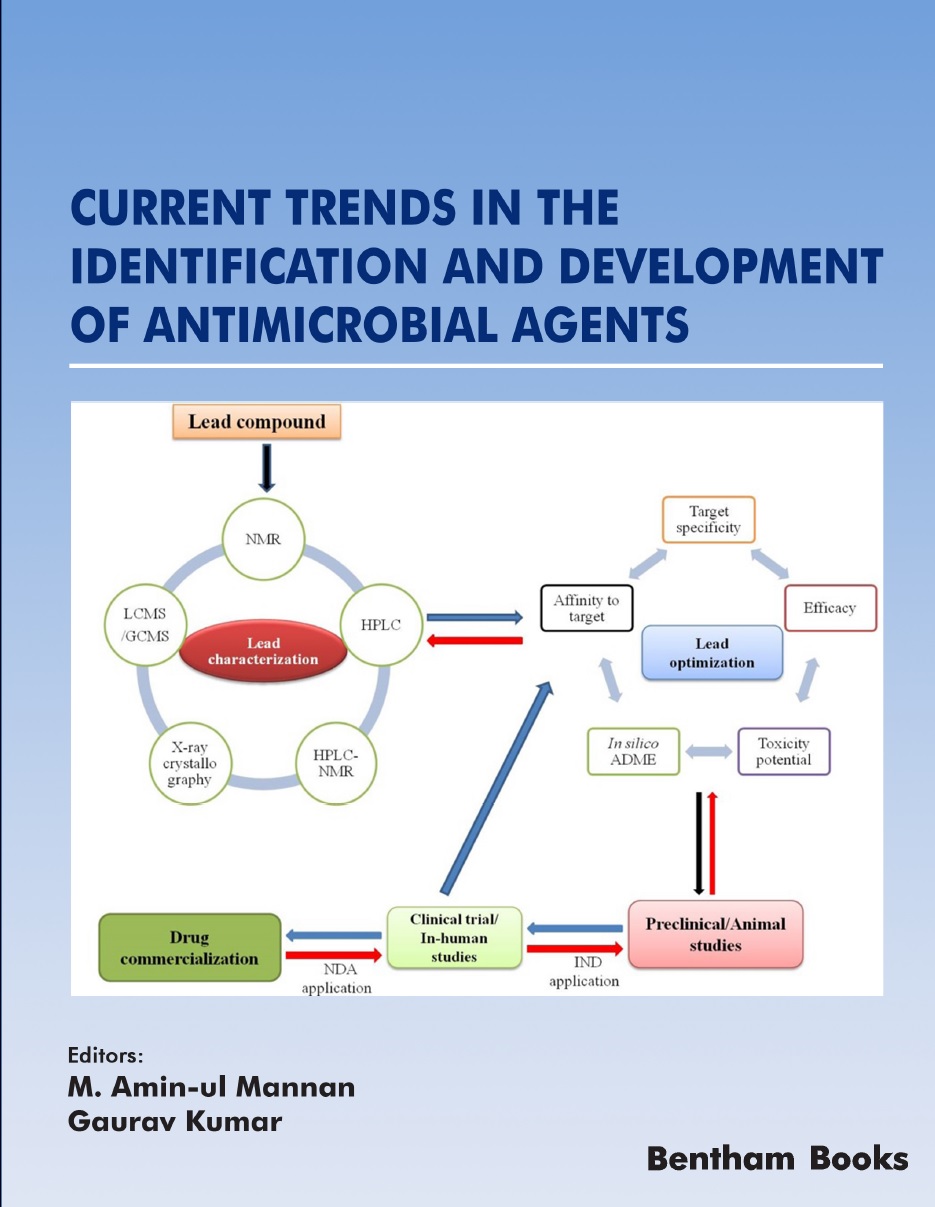
Current Trends in the Identification and Development of Antimicrobial Agents
Frontiers in Antimicrobial Agents: Volume 2
More LessDespite an increase in life expectancy over the past 20 years, the number of novel, multi-drug resistant microorganisms has also risen dramatically. To reduce the risk of reemerging infections, and limit the spread of multidrug resistant microorganisms, it is urgently necessary to develop safe and effective therapeutic countermeasures. New antimicrobial chemicals are mostly produced with the help of microorganisms, and the bulk of medications now on the market are of this type. The use of high therapeutic screening and recent developments in analytical instrumentation has allowed the researchers to identify novel antimicrobial compounds from bacteria, fungi, plants, mushrooms, algae, and other sources more quickly. The second volume of Frontiers in Antimicrobial Agents highlights the ongoing requirement for researching and creating novel antimicrobial medications. Current Trends in the Identification and Development of Antimicrobial Agents aims to bring together the expertise of notable academics to examine all facets of antimicrobial research while keeping recent advancements in perspective. Antibiotic discovery, sources of novel antimicrobial chemicals, developing and reemerging microbial infections, various elements of drug resistance, and the need for antimicrobial medications in the future are all covered in this book. It is a timely reference for anyone involved in the discovery and development of new drugs, including microbiologists, biotechnologists, pharmacologists, doctors, and researchers.
-
-
-
Current Trends of Supercritical Fluid Technology in Pharmaceutical, Nutraceutical and Food Processing Industries
More LessSupercritical fluid technology can be seen as a green and environmentally friendly alternative to conventional. Current information on these topics is spread through different publications in different peer-reviewed journals. The editors were therefore of the opinion that this information should be gathered in an Ebook which presents some reviews on these topics which should be of major interest not only for the academia but also for the industry.
-
-
-
Current Trends on Glass and Ceramic Materials
More LessBiomaterials created from innovative glass and bioceramic research are emerging as a precursor to several developments useful for solving a wide variety of industry and health related issues. Current Trends on Glass and Ceramic Materials is a review on the latest developments in glass and ceramic materials for technological applications along with biomedical applications in vivo. The volume serves as a useful reference to readers interested in learning about this area of materials science and its multidisciplinary array of applications
-
-
-
Current Vascular Pharmacology
More LessCurrent Vascular Pharmacology publishes clinical and research-based reviews/mini-reviews, original research articles, letters, debates, drug clinical trial studies, and guest-edited issues to update all those concerned with the treatment of vascular disease, bridging the gap between clinical practice and ongoing research.
Vascular disease is the most common cause of death in Western countries, and its incidence is on the rise in developing countries. It follows that considerable research is directed at establishing effective treatment for acute vascular events. Long-term treatment has also received considerable attention (e.g., for symptomatic relief). Furthermore, effective prevention, whether primary or secondary, is backed by the findings of several landmark trials. Vascular disease is a complex field with primary care physicians and nurse practitioners, as well as several specialties involved. The latter include cardiology, vascular and cardiothoracic surgery, general medicine, radiology, clinical pharmacology, and neurology (stroke units).
Current Vascular Pharmacology is an international, peer-reviewed journal on all aspects of vascular pharmacology, published bi-monthly (print & online) by Bentham Science Publishers.
-
-
-
Current Women's Health Reviews
More LessCurrent Women's Health Reviews publishes original research papers, reviews/mini-reviews, drug clinical trial studies and guest-edited thematic issues written by leaders working in the field of obstetrics and gynecology. This journal covers articles based on pregnancy, fetal health, labor, puerperium, gynecologic oncology, urogynecology, fertility, infertility and contraception. It includes submissions related to the health and diseases of female genital organs and their effect on women’s overall health, and publishes topics related to women's office practices and their effect on women's mental health. The journal is essential reading for all clinicians and researchers in the fields of obstetrics and gynecology.
Current Women`s Health Reviews is an international, peer-reviewed journal on all aspects of women`s health, published bi-monthly (print & online) by Bentham Science Publishers.
-
-
-
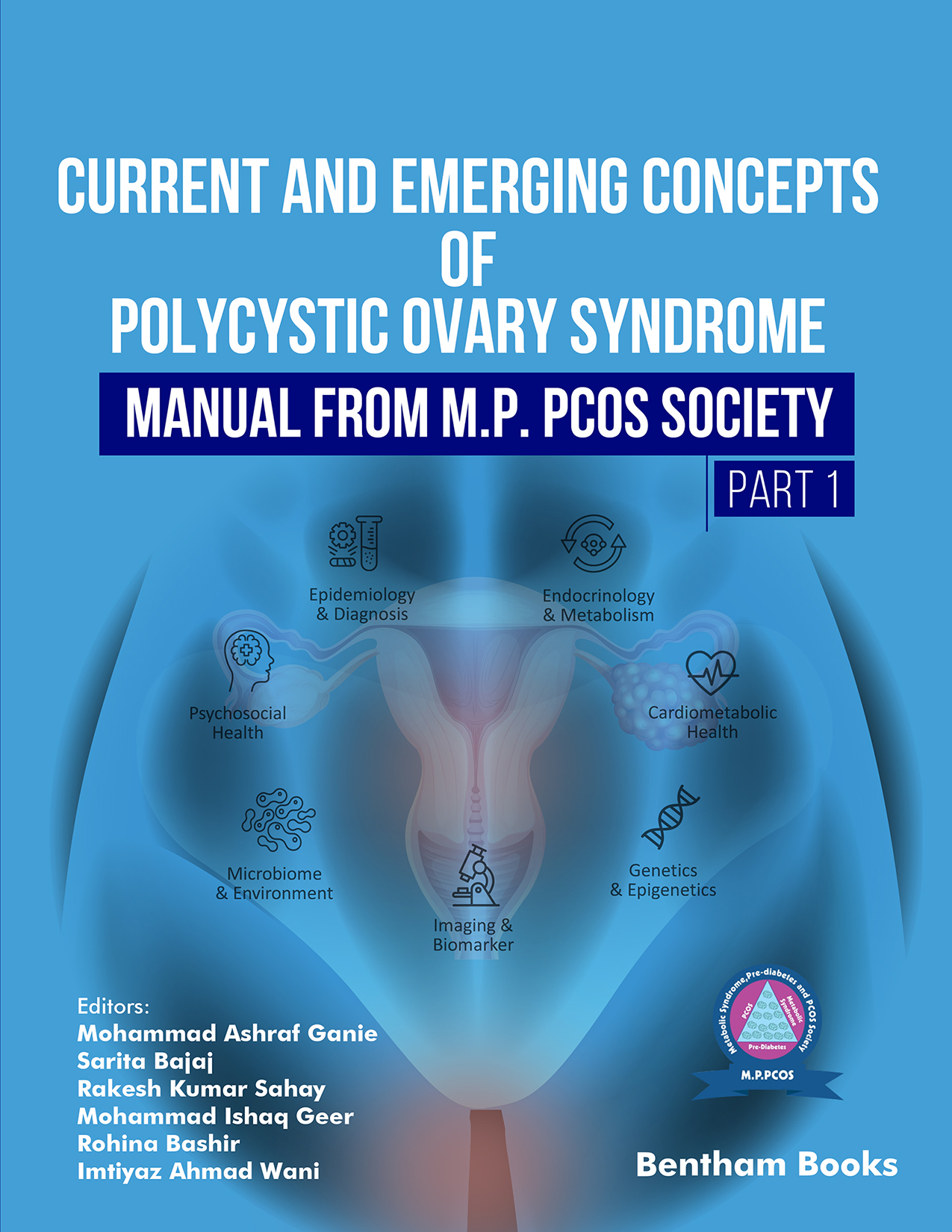
Current and Emerging Concepts of Polycystic Ovary Syndrome Manual from M.P. PCOS Society(Part 1)
More LessCurrent and Emerging Concepts of Polycystic Ovary Syndrome Manual from M.P. PCOS Society is a comprehensive and authoritative guide that explores the multifaceted nature of PCOS, redefining the understanding, diagnosis, and management of Polycystic Ovary Syndrome (PCOS).
Drawing upon cross-disciplinary insights and multi-institutional expertise, this two part series unravels its epidemiology, diagnostic complexities, and phenotypic diversity. It dives deep into hormonal, metabolic, genetic, and environmental dimensions to present an integrated view of the syndrome. It presents PCOS not as a single disorder, but as an evolving clinical spectrum. It serves as both a foundation for clinicians and a catalyst for future research, setting the stage for Volume II, which expands into advanced management and innovative therapeutic paradigms.
Key Features
Examines the global epidemiology, pathophysiology, and heterogeneity of PCOS.
Clarifies diagnostic criteria and phenotypic variations through evidence-based insights.
Explores hormonal, metabolic, genetic, and environmental mechanisms driving PCOS.
Integrates emerging concepts from microbiome science, endocrinology, and mental health.
Highlights the evolving clinical understanding shaped by interdisciplinary collaboration.
-
-
-
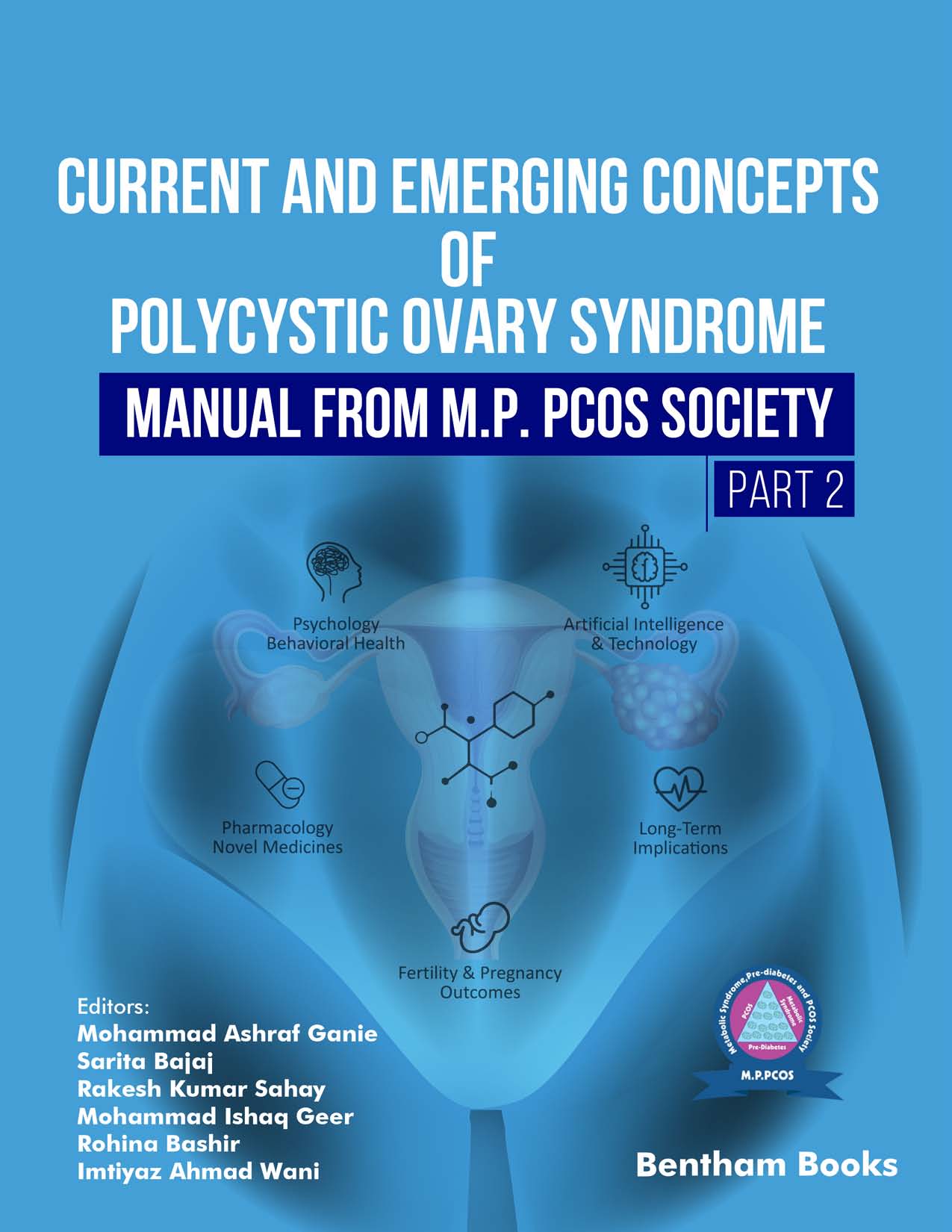
Current and Emerging Concepts of Polycystic Ovary SyndromeManual from M.P. PCOS Society (Part 2)
More LessCurrent and Emerging Concepts of Polycystic Ovary Syndrome Manual from M.P. PCOS Society is a comprehensive and authoritative guide that explores the multifaceted nature of PCOS, redefining the understanding, diagnosis, and management of Polycystic Ovary Syndrome (PCOS).
Drawing upon cross-disciplinary insights and multi-institutional expertise, this two-part series unravels its epidemiology, diagnostic complexities, and phenotypic diversity. It dives deep into hormonal, metabolic, genetic, and environmental dimensions to present an integrated view of the syndrome. It presents PCOS not as a single disorder, but as an evolving clinical spectrum. It serves as both a foundation for clinicians and a catalyst for future research, setting the stage for Volume II, which expands into advanced management and innovative therapeutic paradigms.
Key Features
Examines the global epidemiology, pathophysiology, and heterogeneity of PCOS.
Clarifies diagnostic criteria and phenotypic variations through evidence-based insights.
Explores hormonal, metabolic, genetic, and environmental mechanisms driving PCOS.
Integrates emerging concepts from microbiome science, endocrinology, and mental health.
Highlights the evolving clinical understanding shaped by interdisciplinary collaboration.
-
-
-
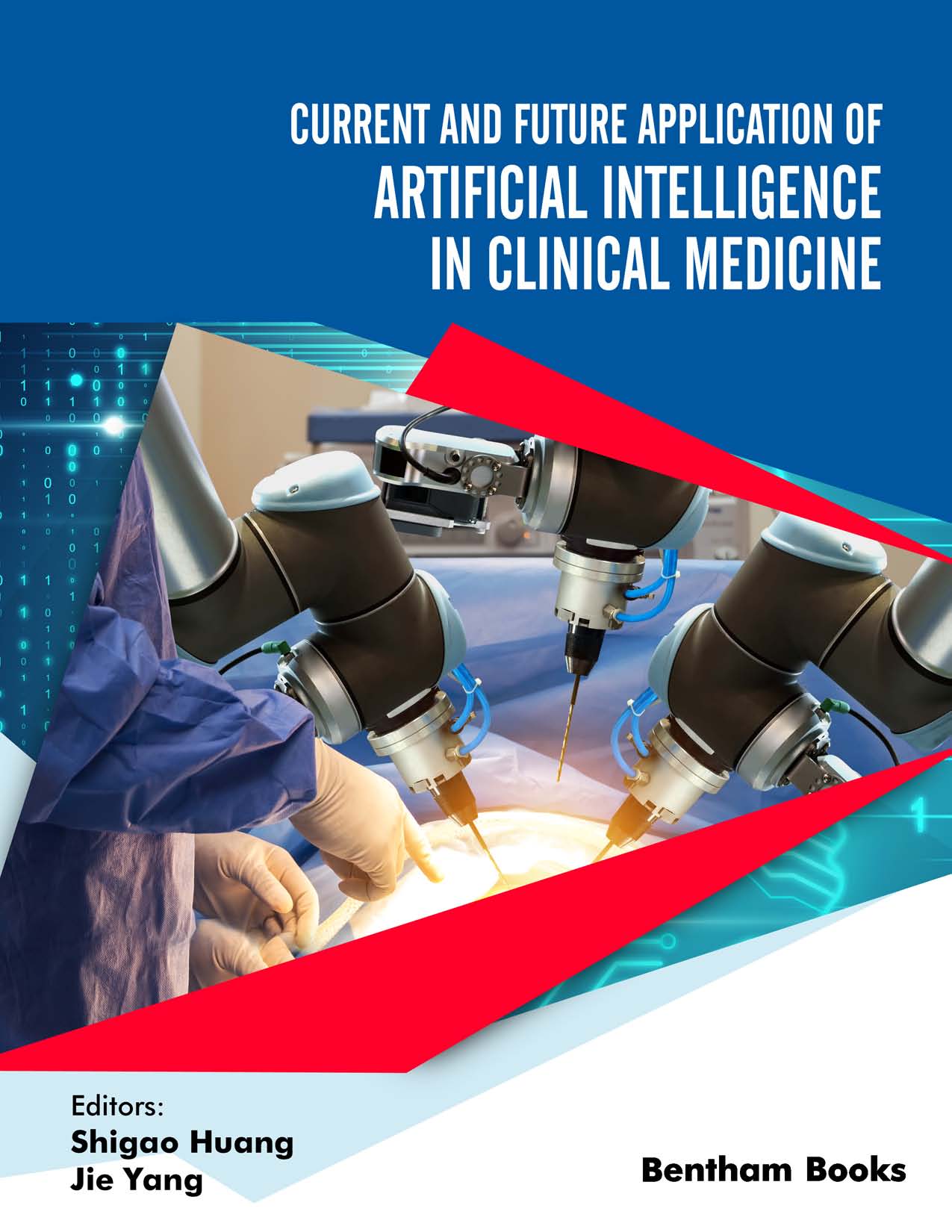
Current and Future Application of Artificial Intelligence in Clinical Medicine
More LessCurrent and Future Application of Artificial Intelligence in Clinical Medicine presents updates on the application of machine learning and deep learning techniques in medical procedures. . Chapters in the volume have been written by outstanding contributors from cancer and computer science institutes with the goal of providing updated knowledge to the reader. Topics covered in the book include 1) Artificial Intelligence (AI) applications in cancer diagnosis and therapy, 2) Updates in AI applications in the medical industry, 3) the use of AI in studying the COVID-19 pandemic in China, 4) AI applications in clinical oncology (including AI-based mining for pulmonary nodules and the use of AI in understanding specific carcinomas), 5) AI in medical imaging. Each chapter presents information on related sub topics in a reader friendly format.
The combination of expert knowledge and multidisciplinary approaches highlighted in the book make it a valuable source of information for physicians and clinical researchers active in the field of cancer diagnosis and treatment (oncologists, oncologic surgeons, radiation oncologists, nuclear medicine physicians, and radiologists) and computer science scholars seeking to understand medical applications of artificial intelligence.
-
-
-
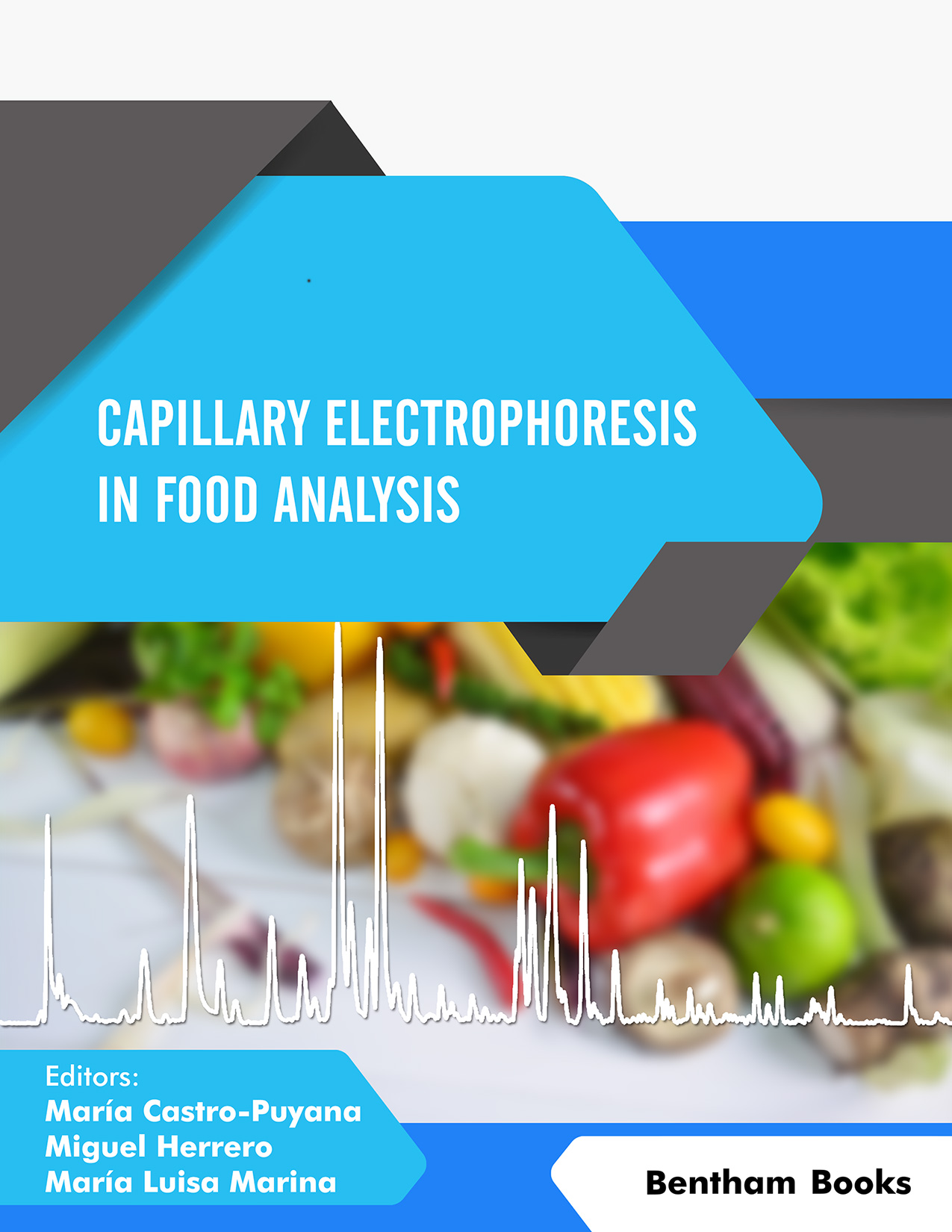
Current and Future Developments in Food Science
Capillary Electrophoresis in Food Analysis: Volume 2
More LessThis reference describes recent advances and applications of capillary electrophoresis in the field of food science. The first two chapters are devoted to the fundamentals of capillary electrophoresis, and to the main sample preparation techniques used for food analysis using this miniaturized separation technique, respectively. These two introductory chapters are followed by several chapters focused on the different strategies for analyzing specific food components, including lipids, carbohydrates, proteins, peptides, amino acids, vitamins, polyphenols, and food additives.
The information provided in these chapters helps readers to understand and develop appropriate methods to carry out a deep characterization of food samples. Relevant concepts such as food authentication, chemical food safety or the control of the quality and safety of dietary supplements, and food metabolomics are also covered, where appropriate. The big potential of capillary electrophoresis to achieve chiral separations and the determination of enantiomers in food samples or to develop targeted and non-targeted metabolomics strategies to ensure food safety and quality is also described. As an additional step towards analytical miniaturization, a chapter devoted to food analysis by microchip electrophoresis is also included in this book. All 14 chapters are contributed by highly experienced researchers in the field.
Capillary Electrophoresis in Food Analysis is a key source of information for food chemists and analytical chemists in industry (quality control laboratories) and academia (research labs and training courses).
-
-
-

Cutting Edge Techniques in Biophysics, Biochemistry and Cell Biology: From Principle to Applications
More LessAdvances in biomedical research have had a profound effect on human health outcomes over the last century. Biophysical, biochemical and cellular techniques are now the backbone of modern biomedical research. Understanding these laboratory techniques is a prerequisite for investigating the processes responsible for human diseases and discovering new treatment methods.
Cutting Edge Techniques in Biophysics, Biochemistry and Cell Biology: From Principle to Applications
Provides information about basic and advanced analytical techniques applied in specific areas of life science and biomedical
Key Features:
- Book chapters present a broad overview of sophisticated analytical techniques used in biophysics, biochemistry and cell biology.
- Techniques covered include in vitro cell culture techniques, flow cytometry, real time PCR, X-ray crystallography, RNA sequencing
- Information about industrial and biomedical applications of techniques, (drug screening, disease models, functional assays, disease diagnosis, gene expression analysis and protein structure determination) is included.
The book is an excellent introduction for students (as a textbook) and researchers (as a reference work). The information it presents will prepare readers to understand and develop research methods in life science laboratories for different projects and activities.
-
-
-
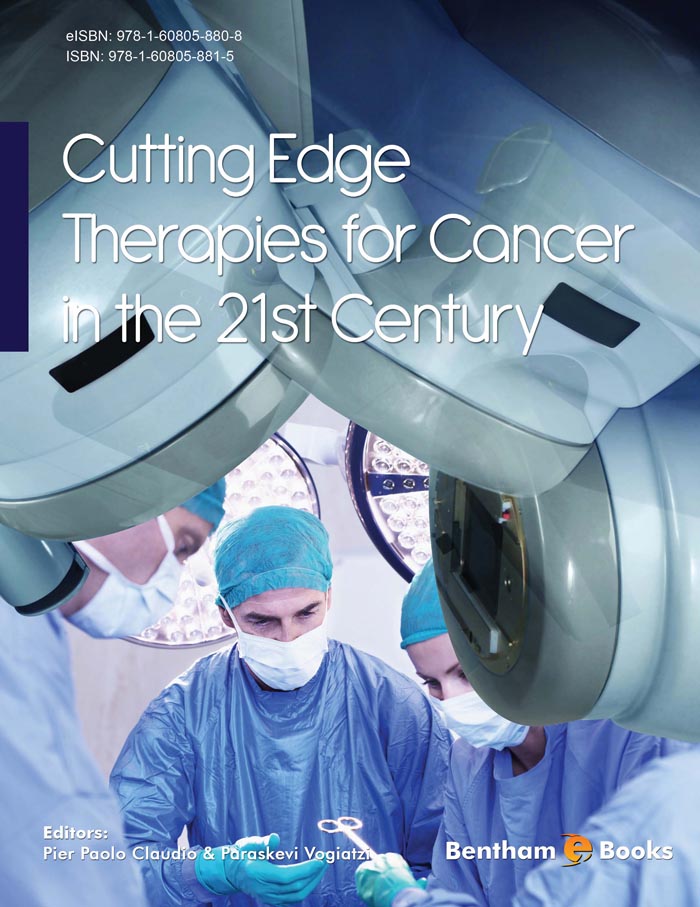
Cutting Edge Therapies for Cancer in the 21st Century
More LessCancer is a broad group of diseases involving unregulated cell growth with elevated death rates as more people live in old age with mass lifestyle changes occurring in the world. The causes of cancer are diverse, complex, and still only partially understood. The chances of surviving the disease vary remarkably by the type and location of the malignancy and the extent of disease at the start of treatment. Early cancer detection is proving to be a valid approach. Cancer can be detected in a number of ways, including the presence of certain signs and symptoms, screening tests, or medical imaging. Cancer therapy is dynamically changing and revision and change in patient management is constant as our knowledge increases. Cancer is routinely treated with chemotherapy, radiation therapy and surgery. Tailored cancer targeted therapy is becoming an emerging objective of today. In this book, a constructive group of cancer research experts bring the reader their shared vision, to give an extensive and realistic view of individual tumors such as breast, oral, prostate, gastric, and neuroendocrine tumors. New and contemporary terms and concepts in genetics and epigenetics, diet, anticancer treatments, and anticancer drug delivery systems are introduced in this volume. This reference highlights present experimental strategies and key findings that enhance our understanding of cancer and of future therapies. This eBook is aimed at a broad audience of undergraduates, medical students, PhDs, cancer researchers, and also cancer patient families with the goal to conceive a curiosity about the subjects presented that will hopefully lead to further studies.
-
-
-
Cutting-Edge Solutions for Advancing Sustainable Development: Exploring Technological Horizons for Sustainability - Part 1
More LessCutting-Edge Solutions for Advancing Sustainable Development: Exploring Technological Horizons for Sustainability – Part 1 explores the transformative role of emerging technologies in driving global sustainability. This book highlights how artificial intelligence, machine learning, biotechnology, digitization, and smart city innovations contribute to tackling critical environmental and social challenges.
Spanning multiple industries, the book examines AI-powered solutions for cybersecurity and retail, sustainable urban planning through IoT and data analytics, green transportation advancements, and the role of digital transformation in achieving sustainable progress. Readers will gain valuable insights into pioneering innovations shaping a more sustainable future, with case studies and real-world applications.
Key Features:
- In-depth analysis of AI, IoT, biotech, and digitalization for sustainability.
- Practical case studies and real-world applications.
- Exploration of sustainability in smart cities, transportation, and cybersecurity.
- Expert insights on integrating technology for a greener future.
-
-
-

Cutting-Edge Solutions for Advancing Sustainable Development: Exploring Technological Horizons for Sustainability - Part 2
More LessCutting-Edge Solutions for Advancing Sustainable Development: Exploring Technological Horizons for Sustainability - Part 2 introduces innovative approaches to achieving sustainability through technological advancements. This comprehensive guide covers critical global challenges such as climate change and resource depletion, emphasizing the transformative role of emerging technologies.
Key Features:
- Detailed exploration of blockchain applications in supply chains and financial services.
- Innovations in HealthTech improving healthcare accessibility and quality.
- Utilization of AI for climate action and precision agriculture.
- Advancements in renewable energy technologies, focusing on solar and wind.
- Societal impacts of AI automation and financial literacy in technologically enhanced learning environments.
-
-
-

Cyber Forensics and Investigation on Smart Devices
More LessThis book offers comprehensive insights into digital forensics, guiding readers through analysis methods and security assessments. Expert contributors cover a range of forensic investigations on computer devices, making it an essential resource for professionals, scholars, and students alike.
Chapter 1 explores smart home forensics, detailing IoT forensic analysis and examination of different smart home devices. Chapter 2 provides an extensive guide to digital forensics, covering its origin, objectives, tools, challenges, and legal considerations. Chapter 3 focuses on cyber forensics, including secure chat application values and experimentation. Chapter 4 delves into browser analysis and exploitation techniques, while Chapter 5 discusses data recovery from water-damaged Android phones with methods and case studies. Finally, Chapter 6 presents a machine learning approach for detecting ransomware threats in healthcare systems.
With a reader-friendly format and practical case studies, this book equips readers with essential knowledge for cybersecurity services and operations.
Key Features:
1.Integrates research from various fields (IoT, Big Data, AI, and Blockchain) to explain smart device security.
2.Uncovers innovative features of cyber forensics and smart devices.
3.Harmonizes theoretical and practical aspects of cybersecurity.
4.Includes chapter summaries and key concepts for easy revision.
5.Offers references for further study.
-