


Bentham Science Publishers
Bentham Science Publishers is a major publisher of more than 100 peer-reviewed science, technology and medical (STM) journals, along with a rapidly growing collection of eBooks. Since 1993, Bentham Science Publishers has been catering to the information needs of the pharmaceutical, engineering, biomedical and medical research community.1401 - 1450 of 1908 results
-
-
Personalized Immunotherapy for Tumor Diseases and Beyond
More LessThis book introduces personalized immunotherapy with multi-dimensional models of analysis to determine the best plan for immunotherapy of patients. The book introduces readers to some basic concepts which lay the foundation for personalized immunotherapy: the development of a major histocompatibility complex (MHC), the genome profile of T cells and tumor cells, and genome-wide association studies. Chapters also cover special topics such as new immunoassay methods related to personalized immunotherapy and targeted immunotherapy which are geared towards familiarizing readers with current research practices. Focusing on the central theme of personalized immunotherapy, the authors provide a wealth of information about T-cell screening, tumor neoantigen cloning, primary tumor cell culture for T-cell cloning, bioinformatics strategies for understanding T-cell and primary tumor cell biology and function, and new developments in research on adoptive T-cell immunotherapy. These developments include T-cell gene therapy and T-cell gene editing, transgenic T-cells for increasing affinity to tumor cells such as CAR T-cells and TCR T-cells, and the systematic modeling of polyclonal specific T-cells and biobank technology.
Key Features:
- Introduces readers to basic concepts in personalized medicine and immunotherapy
- Presents current information about immunological assays used in research
- Presents an overview of T cell immunotherapy and cloning techniques
- Presents an overview of tumor cell bioinformatics and its role in immunotherapy
- Includes new developments and references for personalized immunotherapy techniques (T-cell gene therapy and T-cell gene editing, transgenic T-cells which target CAR T-cells and TCR T-cells, and polyclonal T-cell modeling)
- Includes a section on biobanking
- Presents information in an easy-to-read format for a wide range of readers
- Brings contributions from experts with over 30 years of experience in personalized immunotherapy
Personalized Immunotherapy for Tumor Diseases and Beyond is an ideal handbook for medical professionals and students involved in personalized medicine, immunology and oncology. General readers interested in the new developments in these fields will also benefit from the information provided.
-
-
-

Petrogenic Polycyclic Aromatic Hydrocarbons in the Aquatic Environment: Analysis, Synthesis, Toxicity and Environmental Impact
More LessAlthough a lot is known about the influence of Polycyclic Aromatic Hydrocarbons (PAHs) on the marine environment, there are still many unanswered questions. Petrogenic Polycyclic Aromatic Hydrocarbons in the Aquatic Environment is a monograph that sums up basic knowledge about this topic while highlighting current research practices useful in studying the aquatic environment. It starts with an introduction to effect of PAH in the marine environment. It then proceeds to provide information on techniques to monitor PAH levels and investigate the affected environment in order to control the subsequent negative effects. Chapters also detail the carcinogenic and endocrine effects of PAHs on fish as well as the degradation of PAHs by microorganisms. This monograph is a useful reference for environmental science students and professionals learning about the role of PAH in the marine environment.
-
-
-

Pharmaceutical Chemistry and Production: An Introductory Textbook
More LessThis textbook summarizes preliminary knowledge of bioactive molecules which serve as pharmaceuticals, their use, synthesis and mode of action, as well as the production of commercial constituents such as ethanol, citric acid, antibiotics, amino acid, and vitamins.
The text is written mainly for the undergraduate and graduate levels of study of all Indian universities according to the recently implemented CBCS curriculum in a simple manner while keeping postgraduate course structures in view.
Key Features:
Simple structured layout suitable for learners
- Considers the CBCS curriculum for Indian Institutions
- Covers the subject in 2 parts (Part A: Pharmaceutical Chemistry, Part B: Production)
- Covers several types of pharmaceuticals used in clinical practice
- Covers the fermentation process and the production of antibiotics, pharmaceutical commodities, and nutrients
- Includes an appendix for handy information
-
-
-

Pharmaceutical Nanotechnology
More LessPharmaceutical Nanotechnology publishes original manuscripts, full-length/mini reviews, thematic issues, rapid technical notes and commentaries that provide insights into the synthesis, characterisation and pharmaceutical (or diagnostic) application of materials at the nanoscale. The nanoscale is defined as a size range of below 1 µm. Scientific findings related to micro and macro systems with functionality residing within features defined at the nanoscale are also within the scope of the journal. Manuscripts detailing the synthesis, exhaustive characterisation, biological evaluation, clinical testing and/or toxicological assessment of nanomaterials are of particular interest to the journal’s readership. Articles should be self contained, centred around a well founded hypothesis and should aim to showcase the pharmaceutical/diagnostic implications of the nanotechnology approach. Manuscripts should aim, wherever possible, to demonstrate the in vivo impact of any nanotechnological intervention. As reducing a material to the nanoscale is capable of fundamentally altering the material’s properties, the journal’s readership is particularly interested in new characterisation techniques and the advanced properties that originate from this size reduction. Both bottom up and top down approaches to the realisation of nanomaterials lie within the scope of the journal.
Pharmaceutical Nanotechnology is an international, peer-reviewed journal on all aspects of pharmaceutical nanotechnology, published bimonthly (print & online) by Bentham Science Publishers.
-
-
-
Pharmaceuticals for Targeting Coronaviruses
More LessThis reference summarizes information about pharmaceuticals that can target infectious strains of coronaviruses to neutralize infections. Chapters focus on SARS-CoV-2, drug discovery methods and natural methods to combat the virus, which is a causative agent of COVID-19.
Specifically, the book presents 5 chapters written by expert scholar on the following topics:
Structure-Based Drug Discovery Approaches Applied to SARS-CoV-2 (the causative agent COVID- 19)
Potential Antiviral Medicinal Plants against Novel SARS-CoV-2
Infections Caused by SARS Coronaviruses:
Main Characteristics, Targets and Inhibitors Natural Sourced Traditional Indian and Chinese Medicines to Combat COVID- 19
Peptidomimetic and Peptide-Derived Agents Against 3CLpro from Coronaviruses The book contents present both conventional drug design and traditional approaches to discovering relevant drugs in an easy-to-read approach, which is supplemented by bibliographic references. It is intended as a reference for students (pharmacology, pharmacy) and researchers (virology) who are seeking information about antiviral drugs that can be used against coronaviruses.
-
-
-
Pharmacokinetics and Pharmacodynamics of Antimalarial Drugs Used in Combination Therapy
More LessMalaria takes a great toll on human health and well-being, particularly in tropical regions including Sub-Saharan Africa, Southeast Asia, Oceania and parts of the Americas. In recent years, some Plasmodium strains have become increasingly resistant to all classes of conventional antimalarial drugs currently in use. Researchers have, therefore, stepped up efforts to revise atimalarial drug policies, develop new drugs, and implement new strategies to combat this disease. In order to prevent widespread resistance, antimalarial combination therapies (ACTs) have been deployed and a World Antimalarial Resistance Network has been established as a means of anitimalarial drug resistance surveillance. Artemisinin-based combination therapies have proven to be useful as a replacement for standard regimens. Currently, these ACTs successfully cure patients suffering from uncomplicated malaria with superior efficacy and lower toxicity, but there remains a huge challenge (high mortality rate) associated with treatment of severe malaria. Studies of drug disposition and drug efficacy (PK/PD evaluations) are essential to understanding why drugs work as antimalarials as they illustrate issues with drug resistance, drug safety and drug toxicity that are critical to finding the appropriate drug dose for patients.
This eBook illustrates how currently available combination antimalarial drugs can be optimized for effective malaria treatment. Chapters in this book explain methods to select combination drugs based on PK/PD evaluations followed by methods o reduce drug toxicity based on these evaluations. The book also summarizes efforts that are being made by the research community to improve ACT. It is, therefore, a handy reference for medical professionals and pharmacologists working on antimalarial drugs.
-
-
-
Pharmacological and Molecular Perspectives on Diabetes
More LessPharmacological and Molecular Perspectives on Diabetes is a compilation of reviews on clinical and scientific aspects of diabetes mellitus. It presents 11 contributions by eminent scholars that give the reader rational pharmacological and genetic perspectives of the disease and its treatment. The reviews approach diabetes from different angles, and highlight research that has been done to understand some questions about the molecular biology of diabetes in experimental settings. Topics of clinical significance such as the use of different hypoglycemic agents, and diabetic complications in clinical settings are also covered.
Topics included in this book are:
- Epigenetic alterations and type 2 diabetes mellitus
- Responses to nutritional chromium supplements for type 2 diabetes mellitus
- Endocrine role of osteocalcin in homeostatic regulation of glucose metabolism
- Effect of diabetes on memory
- Osteoarthritis in relation to type 2 diabetes mellitus: prevalence, etiology, symptoms and molecular mechanism
- Infection of novel coronavirus in patients with diabetes mellitus
- Role of an anti-inflammatory agent in the management of type 2 diabetes mellitus
- Role of antidiabetic agents which helps regulates TCF7L2 variations in type 2 diabetes mellitus
- Relationship between type 2 diabetes mellitus, PCOD and neurological disorders: role of antidiabetic drugs Comparison of different types of insulin available for type 1 diabetes treatment
- Circadian rhythm disruption: special reference to type 2 diabetes mellitus
- Type 2 diabetes mellitus and its complications: pharmacogenetics based correlations and circulating microRNA as biomarkers Pharmacological and Molecular Perspectives on Diabetes should prove to be of interest to all pharmaceutical and molecular biology scientists who are involved in research in anti-diabetic drug design and discovery, and practicing endocrinologists who wish to keep abreast of recent developments in the field.
-
-
-
Pharmacology and Therapeutics, Parasitology and Internal Medicine
Ukot's Back to Basics MCQs: Volume 2
More LessUkot's Back to Basics MCQs: Pharmacology and Therapeutics, Parasitology, and Internal Medicine (Volume 2) is an invaluable revision resource for medical students, healthcare trainees, and professionals preparing for examinations in the clinical sciences. This volume expands the trusted Back to Basics series by focusing on three critical domains, pharmacology and therapeutics, parasitology, and internal medicine.
The book begins with a series of MCQs in pharmacology and therapeutics, strengthening knowledge of drug mechanisms, interactions, and therapeutic applications. It then transitions to parasitology, offering essential coverage of parasite biology, transmission, and treatment. Internal medicine MCQs follow, emphasizing diagnostic reasoning and clinical decision-making across diverse medical specialties. Each section is reinforced with explanatory notes and references, ensuring not only exam preparedness but also conceptual clarity. Additional chapters on differential diagnoses and comprehensive references make this volume a complete self-study guide for learners and practitioners alike.
Key Features:
Presents MCQs across pharmacology and therapeutics, parasitology, and internal medicine with detailed answer notes.
Reinforces critical concepts and promotes retention through structured question-answer formats.
Strengthens diagnostic reasoning with a dedicated section on differential diagnoses.
Provides comprehensive references for extended learning and evidence-based study.
Supports exam readiness for medical students, healthcare trainees, and early-career clinicians.
-
-
-
Pharmacotherapeutic Management of Cardiovascular Disease Complications: A Textbook for Medical Students
More LessPharmacotherapeutic Management of Cardiovascular Disease Complications is an essential textbook that comprehensively informs the reader about a broad variety of cardiovascular pathologies and their management through drug therapy.
Key Features:
- Features 22 chapters, with 17 chapters dedicated to the management of a wide range of cardiomyopathies and related complications
- Introduces readers to heart anatomy and physiology, for both medical and pharmacology students
- Covers information on cardiovascular disease biomarkers as well as current and new technologies for diagnostic procedures
- Provides additional information on different aspects of cardiovascular disease treatment including etiological factors, prevalence, pathogenesis, clinical symptoms, diagnosis and prevention factors, risk screening and complications
- Informs readers on the role of the clinical pharmacist in patient lifestyle modification for therapeutic plans, helping to reduce cardiovascular disease burden in clinical practice
The broad coverage and easy-to-read organization of the topics covered on the subject make this textbook an ideal reference for medical students and health care professionals such as doctors, nurses, clinical pharmacists, community pharmacists and paramedics.
-
-
-
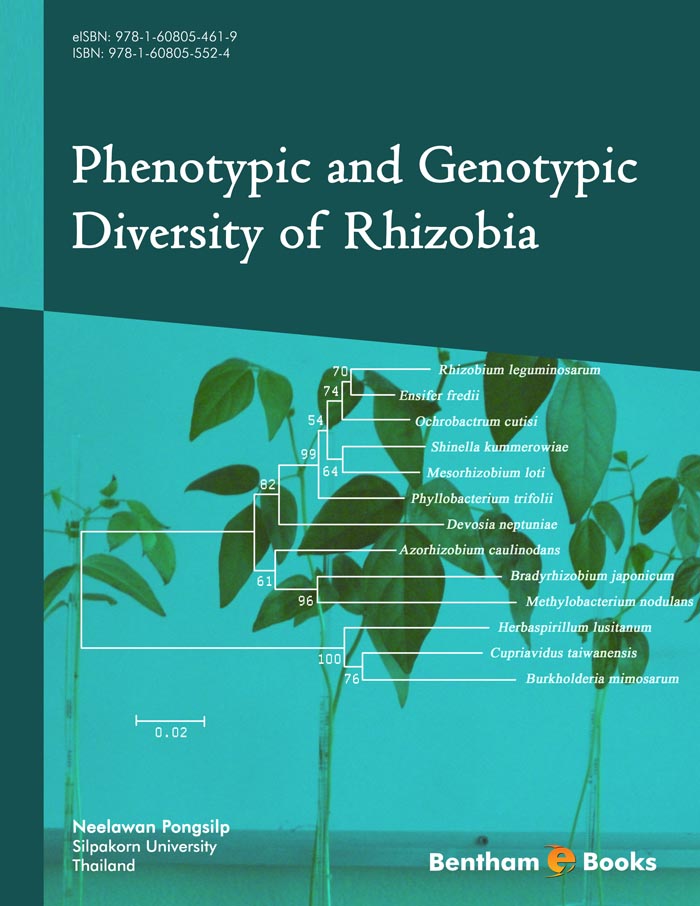
Phenotypic and Genotypic Diversity of Rhizobia
More LessRhizobia are composed of specific groups of bacteria that have the ability to induce symbiotic nitrogen-fixing nodules on the roots or stems of leguminous plants. Rhizobia have attracted a great attention for more than 4 decades because of their enormous agricultural and economic value in sustainable agriculture. Up to the present time, many legumes have been found to be nodulated by several rhizobial species in diverse taxonomic groups. An assessment of rhizobial diversity provides pivotal information in understanding the horizontal gene transfer among bacterial genera and species, the bacterial evolution and the symbiotic effectiveness. The classification of rhizobia is becoming increasingly complex and is revised periodically because of new findings that propose new genera and new species. Phenotypic and Genotypic Diversity of Rhizobia presents the application of conventional and molecular analyses, including numerical analysis, enzyme patterns, serological studies, plasmid profile, polymerase chain reaction (PCR)-fingerprinting, amplified fragment length polymorphism (AFLP), restriction fragment length polymorphism (RFLP), PCR-RFLP and sequence-based methods, to the examination of rhizobial diversity. Principles of these techniques, the resolving power, the advantage and the limitation of these techniques are evaluated. Current taxonomy of rhizobia classifies them into 17 genera and 118 species. The book explains background knowledge about rhizobia and follows this up with a broad perspective on rhizobial diversity, information on characteristics specific to each group of rhizobia, the relationship among rhizobial groups as well as genetic factors contributed to rhizobial diversity. Contemporary methods for examination of rhizobial diversity are also suggested and discussed. Readers of this e-book will find updated information on key concepts in classification and taxonomy of rhizobia, the categories and techniques used to examine the phenotypic and genotypic diversity of rhizobia (including numerical analysis, enzyme patterns, serological study, plasmid profile, polymerase chain reaction (PCR)-fingerprinting, amplified fragment length polymorphism (AFLP), restriction fragment length polymorphism (RFLP), PCR-RFLP and sequence analysis).
-
-
-
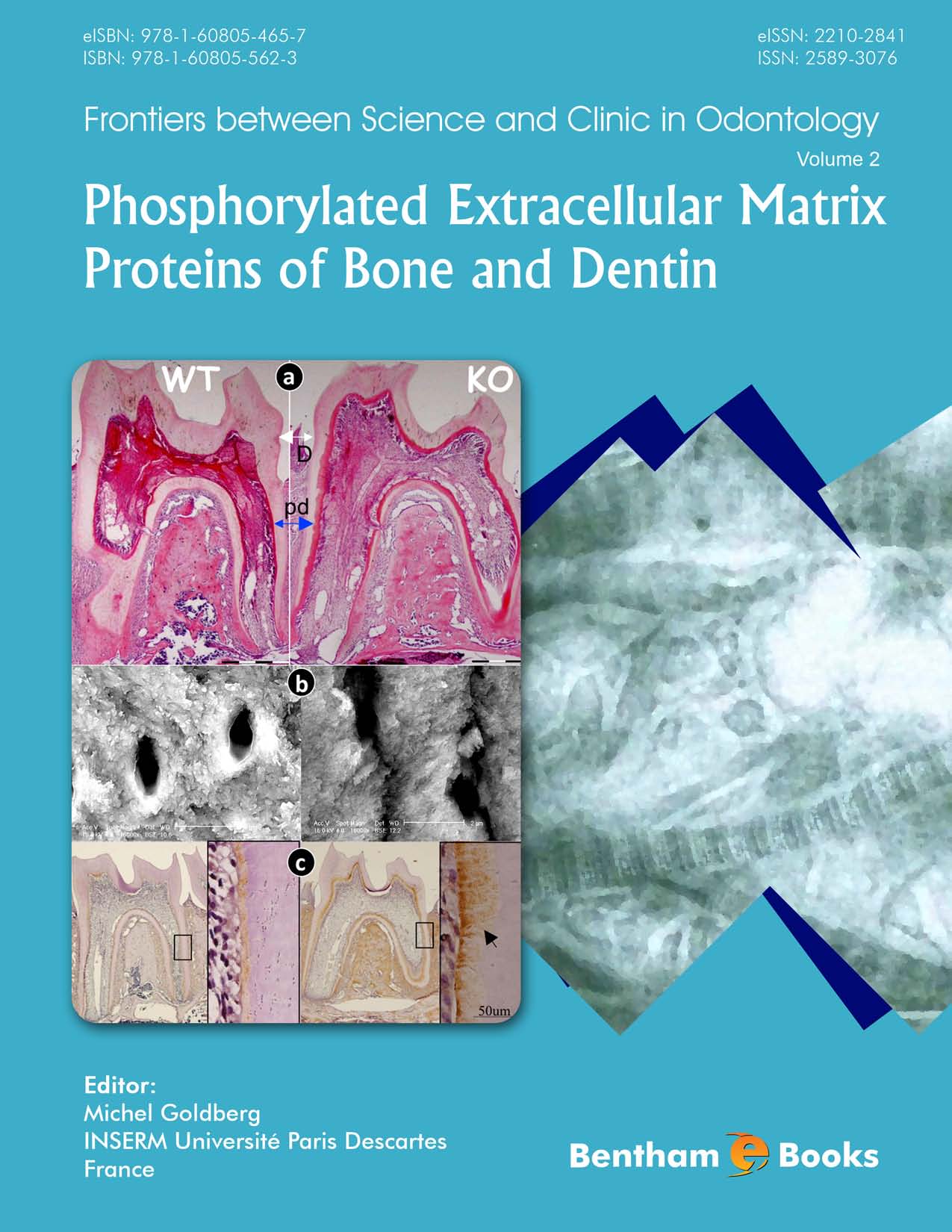
Phosphorylated Extracellular Matrix Proteins of Bone and Dentin
Frontiers Between Science and Clinic in Odontology: Volume 2
More LessPhosphorylated Extracellular Matrix Proteins of Bone and Dentin is the second volume of the e-book series Frontiers between Science and Clinic in Odontology. The phosphorylated proteins of the extracellular matrix of bone and teeth play a crucial structural role in the two tissues. They also act as signaling molecules. Phosphorylated extracellular matrix proteins have been implicated in nucleation and mineralization of skeletal tissues. This e-book covers research on these specific proteins, including details about the cells producing these molecules, their impact on bone and teeth pathology (osteogenesis and dentinogenesis imperfecta) and the potential of these molecules in promoting of inhibiting mineralization.
This e-book also explains processes under the control of some enzymes - TNAP and metalloproteases (MMPs) - such as intracellular regulation in bone and dentine, splicing, respective roles of cleavage products, SIBLINGs, nucleation and crystal growth and regulation.
This second volume serves as a valuable reference to practicing odontologists, biology and biomaterials scientists and tissue engineers interested in protein research related to tooth and bone formation.
-
-
-
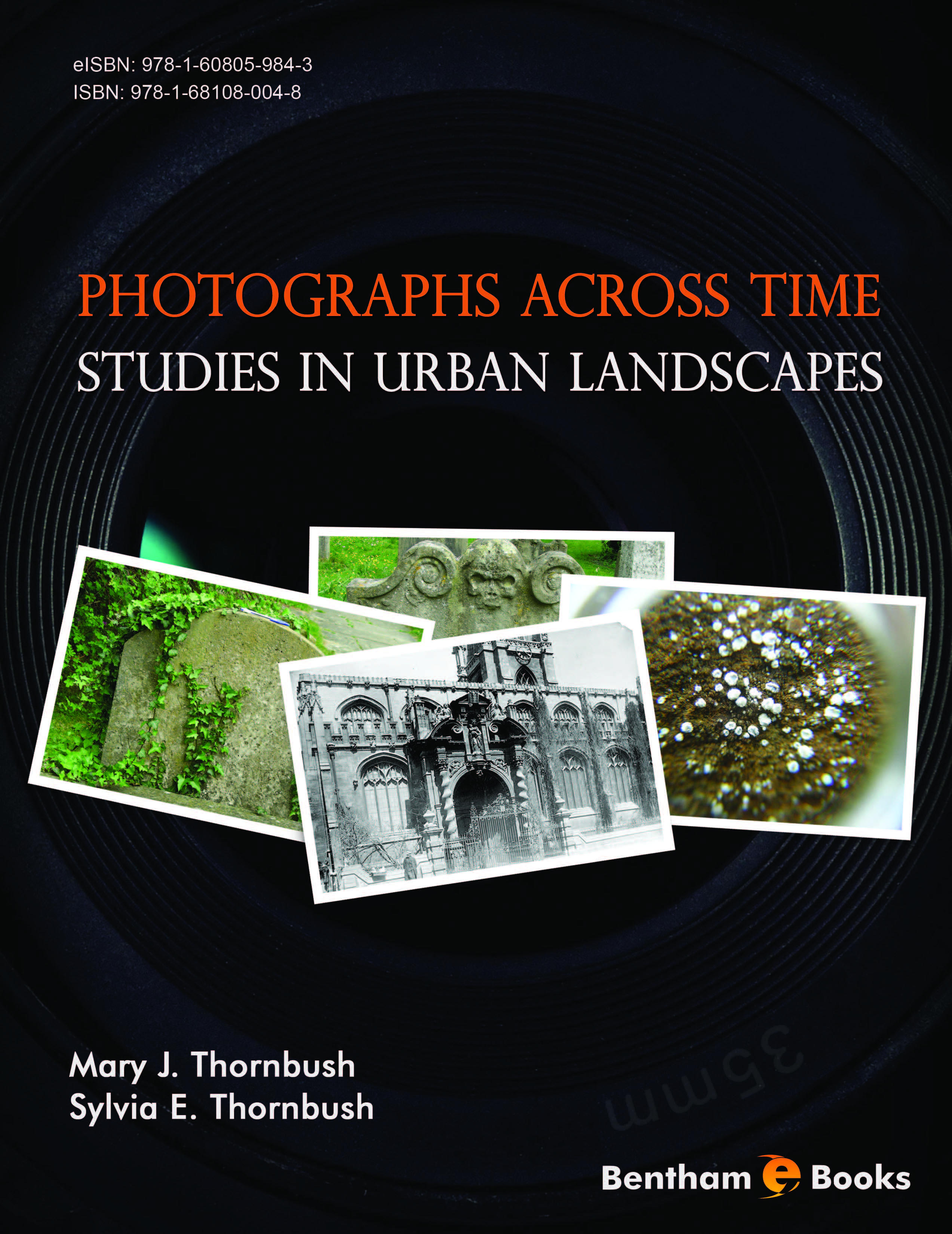
Photographs Across Time: Studies in Urban Landscapes
More LessPhotographs Across Time: Studies in Urban Landscapes presents a record of urban environments in Britain, including Oxford, York, Scarborough, Dunbar, Edinburgh, and Inverness. It is a unique demonstration of how digital photography bridges urban landscape studies with archaeology and heritage studies. The book revisits several landscape and weathering studies in churchyards throughout England and Scotland in the UK. The book explains cross temporal and archival applications of digital photography and explores the archaeological use of photographs. Readers can also learn about issues related to creating and maintaining digital records as well as issues relevant to heritage sustainability. Researchers, landscape experts and professional photographers as well archivists will find Photographs Across Time as a handy reference for quantitative geomorphological studies on English heritage sites and the qualitative realm of historical archaeology.
-
-
-
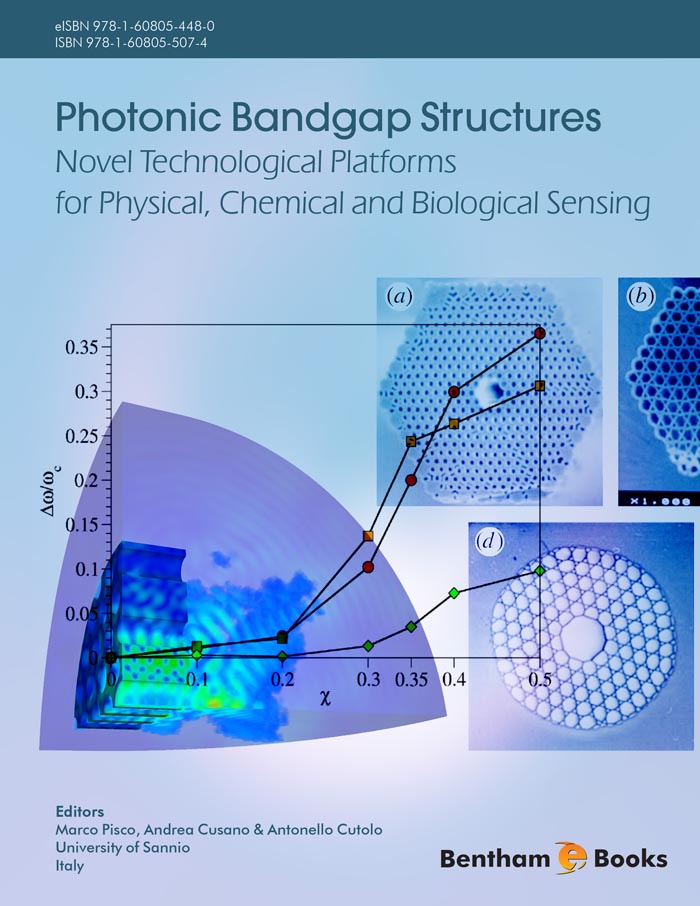
Photonic Bandgap Structures Novel Technological Platforms for Physical, Chemical and Biological Sensing
More LessThis E-Book covers the research and the development of a novel generation of photonic devices for sensing applications. The E-Book starts with a brief review of basic photonic crystal (PhC) structure related concepts and describes the numerical and technological tools useful in the design and fabrication of devices based on PhCs. Next, the E-Book provides a selection of crossover topics emerging in the scientific community as breaking through researches, technologies and sciences for the development of novel technological platforms for physical, chemical and biological sensing. The E-Book ends with a description of the main PhC sensors to date by representing many of the exciting sensing applications that utilize photonic crystal structures.
-
-
-
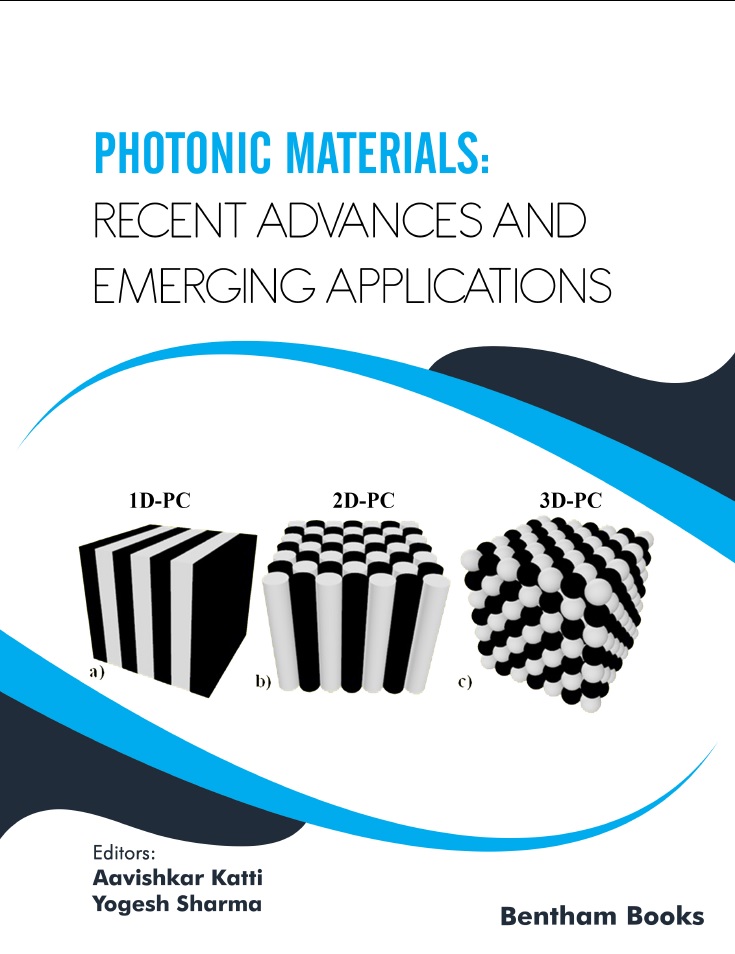
Photonic Materials: Recent Advances and Emerging Applications
More LessIn this book, scientists present the latest trends and research in the broad field of photonics and photonic materials applications. The 14 chapters are categorized into tracks that give a snapshot of the field including basic sciences (photonics, plasmonics, advanced optics, nanophotonics) and applications (renewable energy, fiber-optics, lasers and smart materials). The book starts with a summary of recent developments in photonic crystal (PC) applications. This introduction is followed by chapters that present design concepts and investigations of PC devices such as: - All-optical XOR gates using 2D photonic crystals - One-dimensional PCs containing germanium (Ge). - Graphene surface plasmonics - Nanophotonics and fiber-optic lasers - Chalcogenides - Bragg Fibers and more The broad range of topics make this an informative source on current and exciting photonics research, and the variety of photonic materials. It serves as a reference for graduate scholars (in physics and materials science) and allied researchers who have a keen interest in photonics.
-
-
-
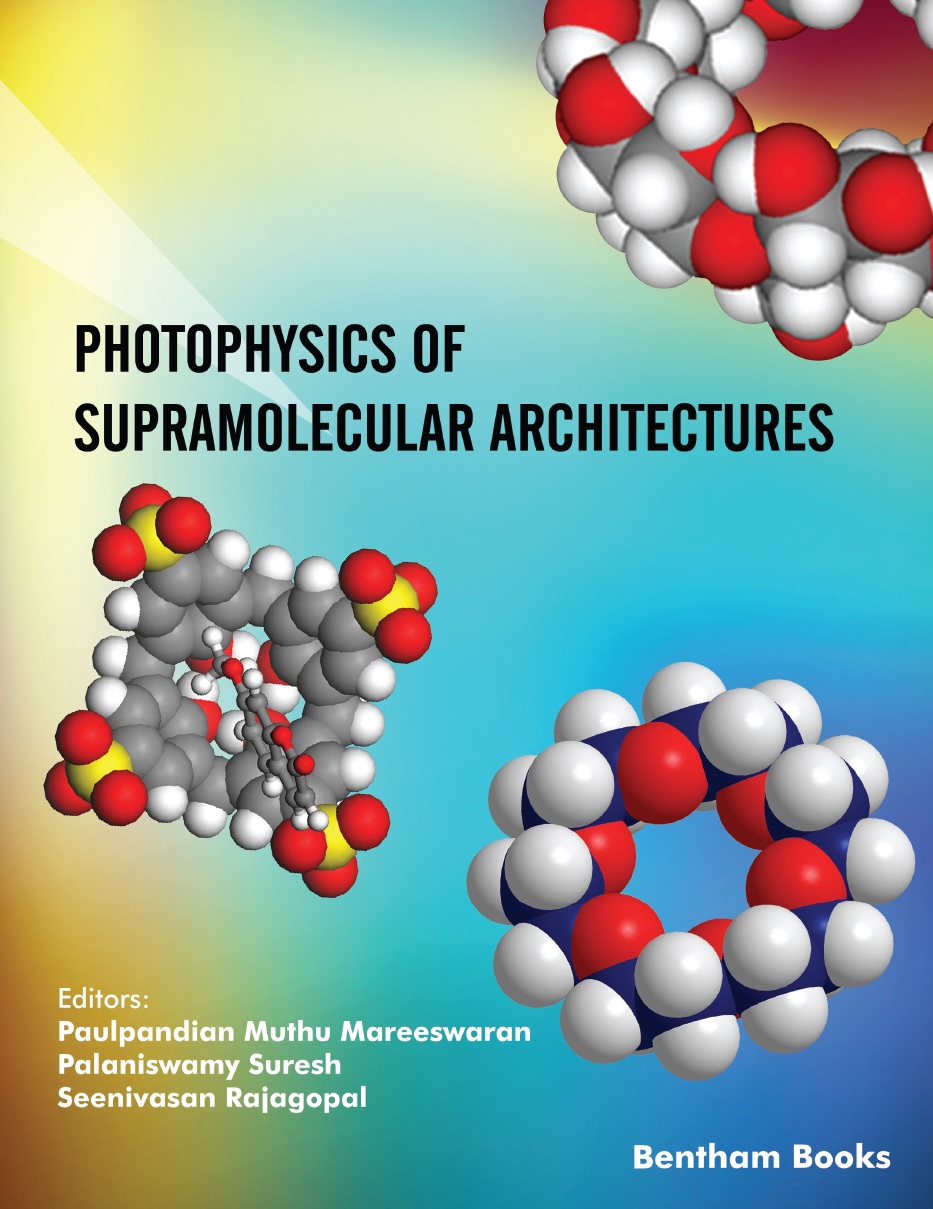
Photophysics of Supramolecular Architectures
More LessThis reference provides collective information about the physical and photophysical changes of supramolecules after encapsulation. It covers luminescent systems involving a range of host molecules such as calixarenes, cyclodextrin, resorcinanene-crowns, pillararenes, cucurbituril, and metallacycles. Chapters also discuss the effect of the macrocyclic environment on the properties of functionalized molecules, including the variations in folding and unfolding patterns. Each chapter is supplemented with detailed references, making this an ideal resource for scholars interested in supramolecular photophysics.
-
-
-

Physical Activity and Health in The Elderly
More LessPhysical inactivity is not only an individual's personal problem but is identified as a serious public health issue. Prolonged inactivity that occurs among many elderly persons tends to lead into a gradual decrease in all components of physical fitness, thus compromising their quality of life.
Scientific research has shown that physical exercise can slow down both the psychological and physical aging clock. Engagement in health promoting behavior in the domains of physical activity, healthy dietary practice and stress management are considered useful strategies to enhance functional capacity among elderly people. These practices delay the onset of chronic diseases, minimize negative psychological effects and improve social networks and the quality of life, particularly for the elderly.
This Ebook goes a long way in promoting healthy values by providing people with information and tools to help meet the challenges of promoting physical activity for older adults in this dynamic 21st century we live in.
-
-
-

Physical Activity, Fitness, Nutrition and Obesity During Growth
Secular Changes of Growth, Body Composition and Functional Capacity in Children and Adolescents in Different Environment
More LessAn imbalance between high energy intake – due to inadequate diet – and reduced energy expenditure – caused by sedentary habits – is believed to create an inherent risk of obesity among individuals. Lifestyle changes among preschool children coupled with health problems (cardiovascular, metabolic, orthopedic, psychological etc.) correlate to an observed increase in body mass index and may even predispose growing children towards obesity in their adult life. Adequate physical activity in the form of regular exercise (in terms of intensity, frequency and duration) has been shown to reduce BMI and have a positive impact on health and physical fitness levels among children. Thus physical activity programs have been applied for obesity prevention and treatment with some degree of success.
Physical Activity, Fitness, Nutrition and Obesity During Growth focuses on research findings and recommendations to mitigate obesity risk in children during early growth stages. The reviews presented in this volume give readers an interdisciplinary insight into the realm of obesity as a global epidemic in early childhood. The review also discusses interventions based on physical activity, which can help combat obesity among children while avoiding undesirable strategies (such as strict diets). The book is intended for public health officials, social workers, as well as general medical practitioners and counsellors.
-
-
-
Physical Penetration Enhancers: Therapeutic Applications and Devices
Current Technologies To Increase The Transdermal Delivery Of Drugs: Volume 2
More LessThis volume covers the methods of using skin penetrating agents, the therapeutic applications of physical penetration enhancers and devices in the market. Chapters cover topics such as transdermal drug delivery through iontophoresis, gene therapy, physiotherapy, skin disorders, vaccination, and pharmacology. Devices covered in this volume include micro needles, nano-carrier and gene delivery systems.
This volume is a handy resource for professionals in medicine (dermatologists), biopharmacy, pharmaceutical technology, drug design and development (scientists and pharmaceutical R&D executives).
-
-
-
Physics Education for Students: An Interdisciplinary Approach
More LessPhysics Education for Students: An Interdisciplinary Approach is a compilation of reviews that highlight new approaches and trends in teaching and learning specific topics on physics to high school and university students. The reviews cover different areas of physics education (laboratory activities, mathematics, philosophy and history) and the ways that learning outcomes can be improved. These distinguished areas can generate complexities and difficulties for students in learning some concepts since the same topics are often presented while following approaches that do not highlight the existing correlations among the involved disciplines. The reviewers discuss an integrated framework for readers with the objective to promote the inclusion of specific laboratory activities and mathematics contents for physics courses addressed to university students, with evidence of the importance of combining a historical and philosophical approach as well. Specific topics in this book include the benefits of active learning in physics education, dialogic best practices in science education, research-based proposals on optical spectroscopy in secondary schools, didactic principles and e-learning in physics and expansive framing in physics laboratories.
Physics Education for Students: An Interdisciplinary Approach, with its selection of expert reviews is an interesting read for academics and researchers involved in STEM education, at the school or college level.
-
-
-
Physics and Technology of Semiconductor Thin Film-Based Active Elements and Devices
More LessThis well organized reference book covers the newest and most important practically applicable results in thin film-based semiconductor (A2B6-A4B6 and chalcogenide) sensors, heterojunction-based active elements and other devices. This book is written for researchers, material scientists and advanced students who wish to increase their familiarity with different topics of novel semiconductor material science related to production of thin film-based sensors and active elements for micro- and nanoelectronics. It is also a tool and resource for professionals engaged in novel semiconductor materials technologies. Both basic and applied aspects of semiconductor materials science and technology related to A2B6-A4B6 and chalcogenide compounds, in particular, to ZnCdHgTe semiconductor, are presented in this book. The book features the most important original results in studies and practical applications of A2B6-A4B6 and chalcogenide semiconductor compounds for sensory and micro(nano)electronics. Many important original experimental data as well as results of numerical simulations are included.
-
-
-
Physiologic Autoimmunity and Preventive Medicine
More LessThe book is dedicated to the history and current status of physiologic autoimmunity concept and relation between autoimmunity and autoallergy in the context of disease prevention and prediction. The immune system is a natural component, regulator and direct participant in the physiological activities in a healthy body. The main forms of physiological activity of the immune system are based on the intrinsic abilities of self-identification, self-maintenance, self-regulation, and self-reparation — that is recognizing components of the “self", i.e. natural autoimmunity. The most ancient and homeostatically important functions of natural autoimmunity are autoclearance as well as construction and support of multicellularity. A considerable number of immune functions, including those related to antimicrobial defense, derive from these basic ones. Various pathological processes in any organ are usually accompanied by different patterns of cell death and, thus, by increased exposure and presentation of self antigens. These events induce the secondary rise in production of autoantibodies with appropriate specificity (opsonines), which provides augmentation of clearance by facilitating the efficacy of macrophage-dependent consumption of debris in the aff ected organ. This phenomenon is sanogenic in nature and adaptive in essence. Therefore, secondary changes in production and serum content of autoantibodies can be considered the universal and earliest detectable marker of any chronic disease. In relation to experimental production and clinical reveal of antibodies towards nuclear antigens, penetrating into living cell nuclei and altering nuclear acid synthesis, cell proliferation and function, autoantibodies can be regarded as hormone-like bioregulators of gene expression. Apparently, immune system is able to reproduce complementary regulators for various cell receptors, including nuclear ones.
Book is unique, it is a single monograph comprehensively including history and current status of natural autoimmunity problem. It describes a fundamental concept essencial for every branch of Medicine and Pathology. The concept described has broad practical application for Health Care, because it establishes effective method of early prediction for many different diseases, creates a basis for prophylaxis. Reader has a chance to get rid of old dogmas and acquire new instrument for fruitful theoretical reasoning, research planning and predictive/preventive practical medical work.
-
-
-
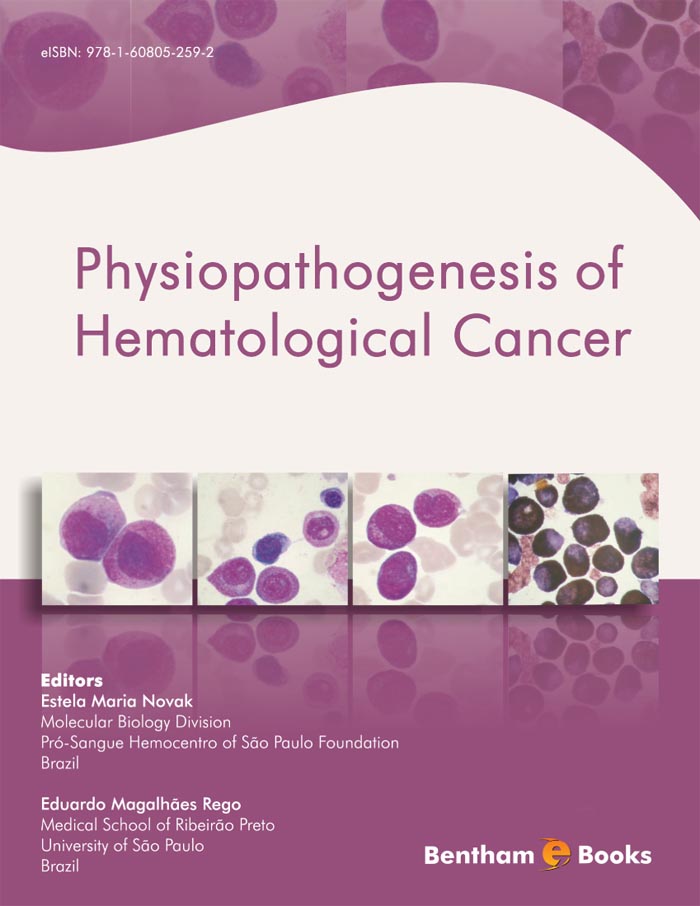
Physiopathogenesis of Hematological Cancer
More LessThe number of new discoveries related to diagnostics and therapeutics of hematological cancer is significant. These have resulted in continuous progress in fundamental knowledge about molecular and cellular mechanisms in hematological neoplasia. Physiopathogenesis of Hematological Cancer presents a concise overview of the cellular and molecular biology of myelo- and Lymphoproliferative disorders. The expert reviews presented within this e-book are also accompanied by bibliographic references for relevant scientific literature. This book should prove to be a valuable reference tool for both medical graduate and postgraduates in the field of oncology.
-
-
-
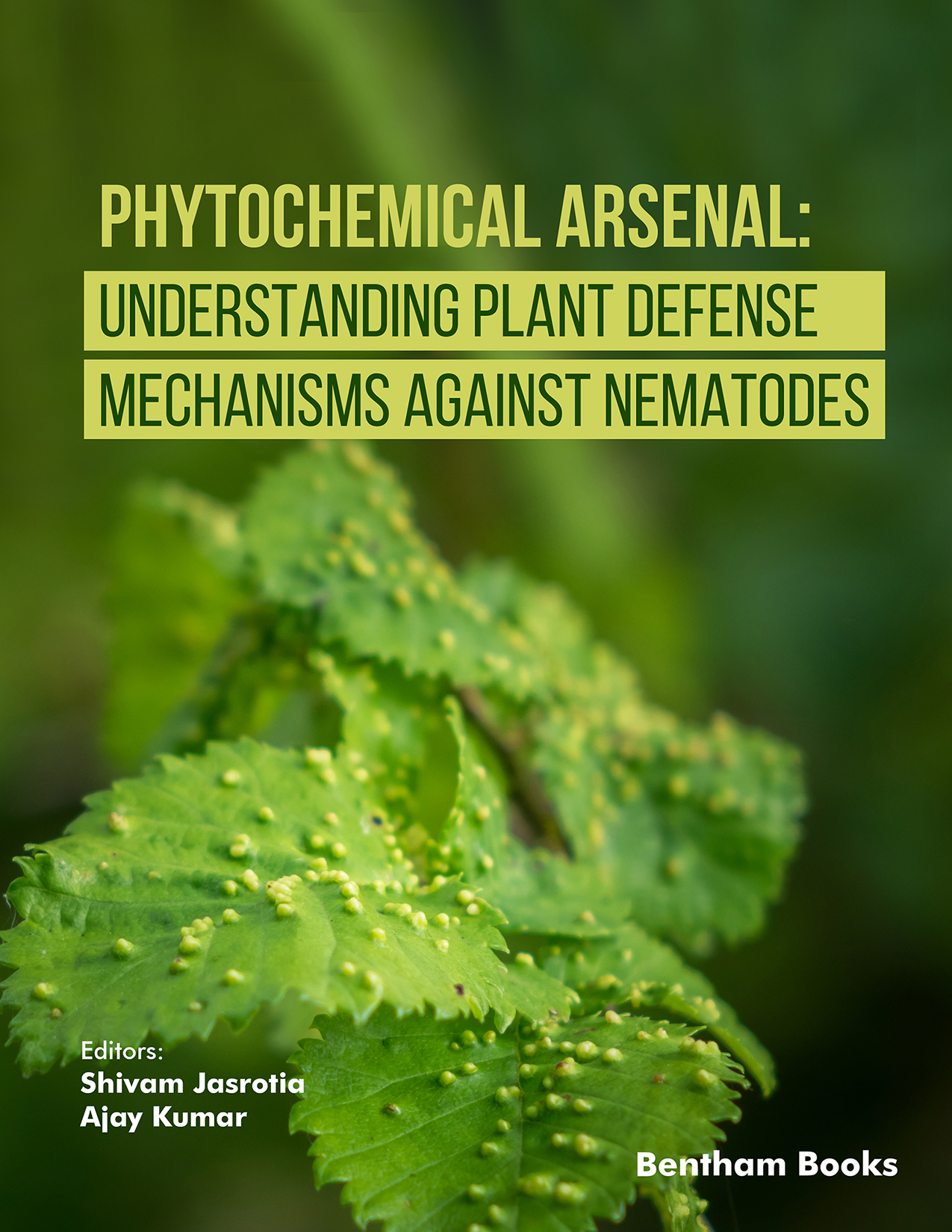
Phytochemical Arsenal: Understanding Plant Defense Mechanisms Against Nematodes
More LessThis book explores the complex interactions between plants and parasitic nematodes, with a particular focus on the natural chemical defenses plants deploy against these agricultural pests. As nematode infestations continue to cause major crop losses globally, this book addresses the urgent need for sustainable, eco-friendly alternatives to synthetic pesticides.
The book comprises eight in-depth chapters, examining the biochemical and physiological roles of phytochemicals in plant defense, their biosynthesis, modes of action, and the influence of environmental conditions on their efficacy. It also assesses current challenges related to the application of these natural compounds in practical nematode control strategies. Drawing from advances in plant biology, molecular science, and agronomy, the book offers a consolidated view of recent developments in the field.
Key features:
Analyzes plant-nematode interaction dynamics
Details classes and mechanisms of defense-related phytochemicals
Explores biosynthetic pathways and environmental influences
Examines potential for biopesticide development and integrated management
Highlights research gaps and future directions.
-
-
-
Phytochemicals in Vegetables: A Valuable Source of Bioactive Compounds
More LessPhytochemical compounds are secondary metabolites that plants usually synthesize for their own protection from pests and diseases. Phytochemical biosynthesis is also triggered under specific environmental conditions. They cannot be classified as essential nutrients since they are not required at specific amounts for life sustenance. Phytochemicals in Vegetables: A Valuable Source of Bioactive Compounds presents information about the phytochemical (common and scarce) content of several cultivated vegetables, as well as their health and therapeutic effects based on in vitro, in vivo, animal and clinical studies. Chapters also cover recent research findings about their mode of action, bioavailabity, interactions with other biological matrices and pharmacokinetics. Moreover, the book gives special attention to the factors that may alter and modulate bioactive compound content, including both cultivation practices and post-harvest treatments that aim towards the production of high quality and healthy foods. Researchers, public health workers, consumers and members of the food industry will find this book to be a useful reference on the variety of phytochemicals present in vegetables.
-
-
-
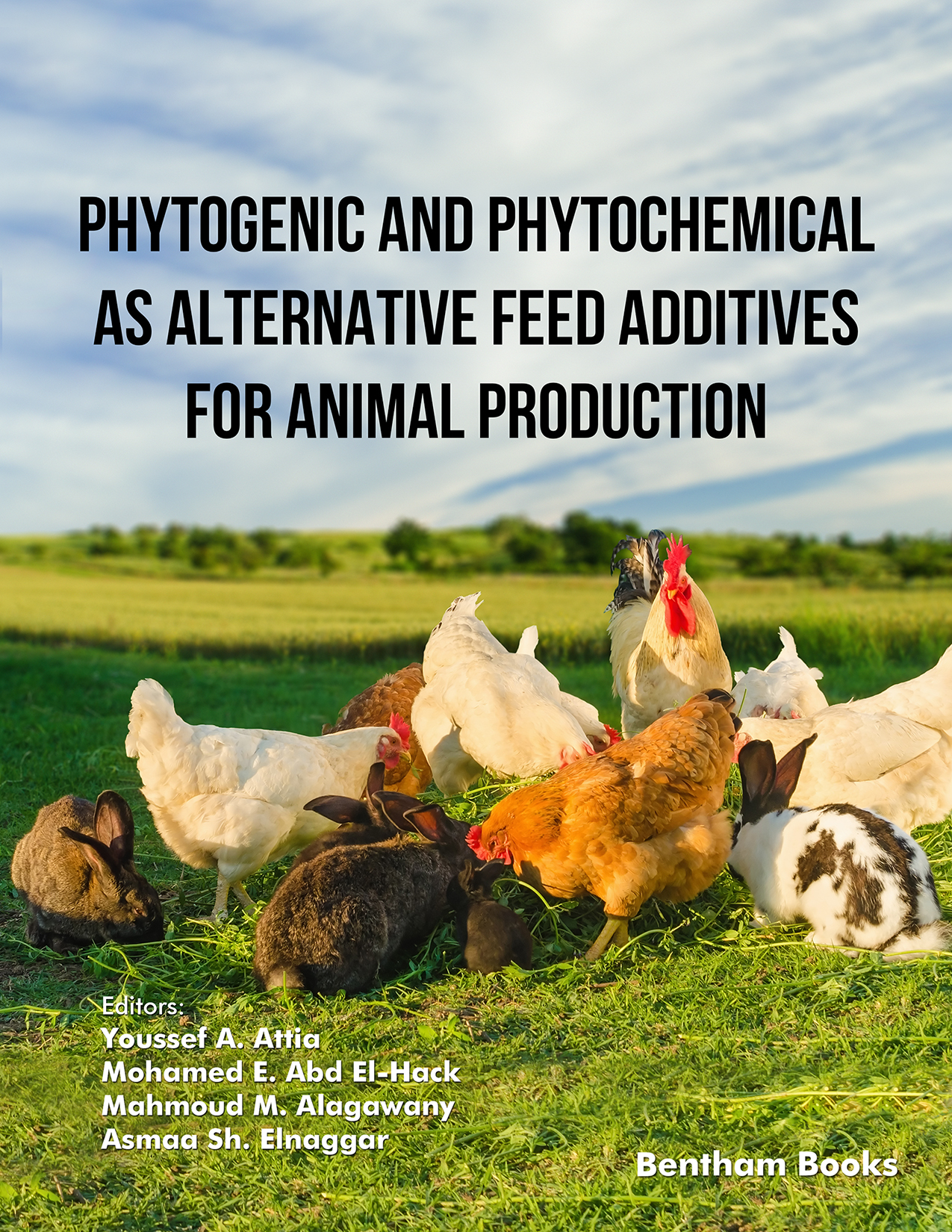
Phytogenic and Phytochemical as Alternative Feed Additives for Animal Production
More LessPhytogenic and Phytochemical as Alternative Feed Additives for Animal Production explores the use of plant-derived compounds as innovative feed additives to enhance animal health and productivity. With growing concerns over antibiotic resistance and the ban on antibiotics as growth promoters, this book highlights phytogenic feed additives (PFAs) such as essential oils, flavonoids, and saponins as sustainable and effective alternatives.
The book covers various PFAs, including thyme, turmeric, milk thistle, rosemary, bee pollen, and propolis, and their roles in improving growth rates, gut health, immunity, and product quality while mitigating environmental and health risks. The book also provides practical insights for the livestock industry and food sectors to enhance animal well-being and food safety.
Key Features:
- Reviews the latest research on natural PFAs.
- Highlights their antioxidant, antimicrobial, and growth-promoting properties.
- Provides practical applications for sustainable livestock production.
-
-
-
Phytonutrients in the Treatment of Gastrointestinal Cancer
More LessGastrointestinal cancer is one of the most prevalent causes of cancer-related deaths in the world. Recent research demonstrates that phytochemicals are critical in preventing and managing gastrointestinal cancer. The increased intake of phytochemicals could reduce the risk of cancer by inhibiting cancer cell proliferation, inducing apoptosis and autophagy, and suppressing angiogenesis as well as cancer cell metastasis. These mechanisms are also known to counter Helicobacter pylori infection and modulate gut microbiota. There is preliminary data suggesting that daily supplementation with high doses of certain vitamins combined with conventional therapeutic agents may enhance their growth inhibitory effects on tumor cells and protect normal tissues against some of their toxic effects. This book attempts to fill gaps on the role of phytonutrients in the treatment of cancer in the gastrointestinal tract (GIT). It discusses the action of individual vitamins on cellular and molecular parameters and describes how vitamins inhibit protein kinase C activity, increase the production of certain growth factors, and modulate the expression of a number of oncogenes. The book is divided into 2 parts. The first part summarizes the pathophysiology of GIT cancers and introduces readers to anticancer phytonutrients. A chapter on the status of FDA approved nutraceuticals rounds up this section. The second part of the book provides a systematic review on the different plant derived chemicals that can be used to treat GIT cancer. Each chapter in this section focuses on a specific type of phytochemical agent and its molecular mechanisms relevant to the disease. This book will give the reader a holistic view of gastrointestinal cancer treatment and the value of natural compounds in developing functional food and drugs for preventive medicine.
-
-
-
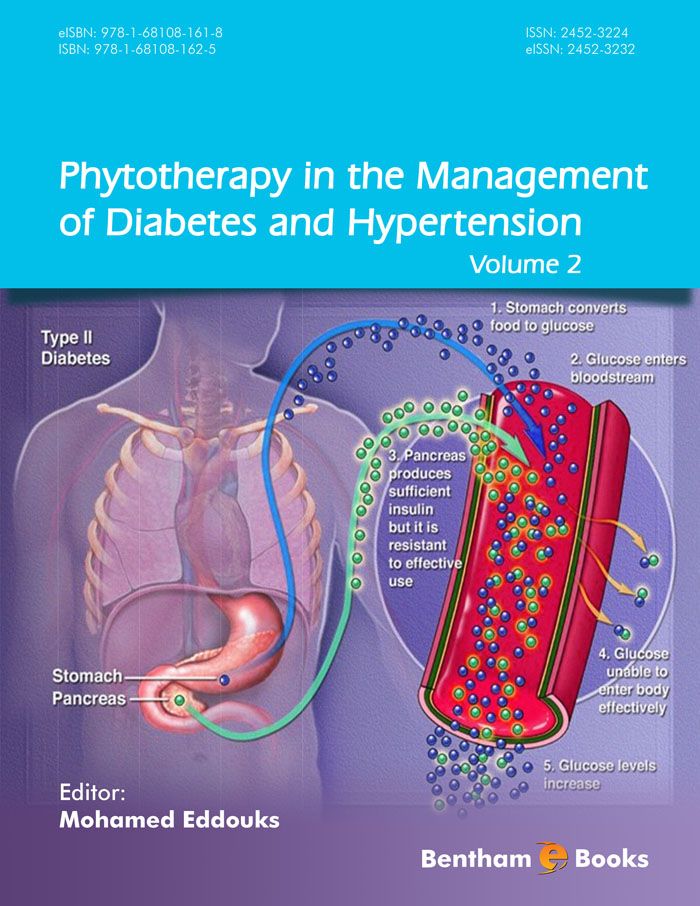
Phytotherapy in the Management of Diabetes and Hypertension: Volume 2
More LessPhytotherapy has the potential to give patients long term benefits with less or no side effects. This is the second volume of the series. This volume brings 11 chapters that cover updates on general phytotherapy, traditional Chinese medicine as well as information on anti-diabetic and antihypertensive herbs (including Senna spp., Curcumin, Carum carvi, Premna serratifolia, Eugenia jambolana and more). The monographs presented within this volume give several details necessary for pharmacopoeial data for quality assurance of pharmaceutical products derived from these specific plant sources: botanical features, distribution, identity tests, purity requirements, chemical assays, active or major chemical constituents, clinical applications, pharmacology, contraindications, warnings, precautions, potential adverse reactions, and posology. Hence academic and professional pharmacologists or clinicians will find comprehensive information on a variety of therapeutic agents along with guidelines for applying them in practical phytotherapy of diabetes and hypertension.
-
-
-
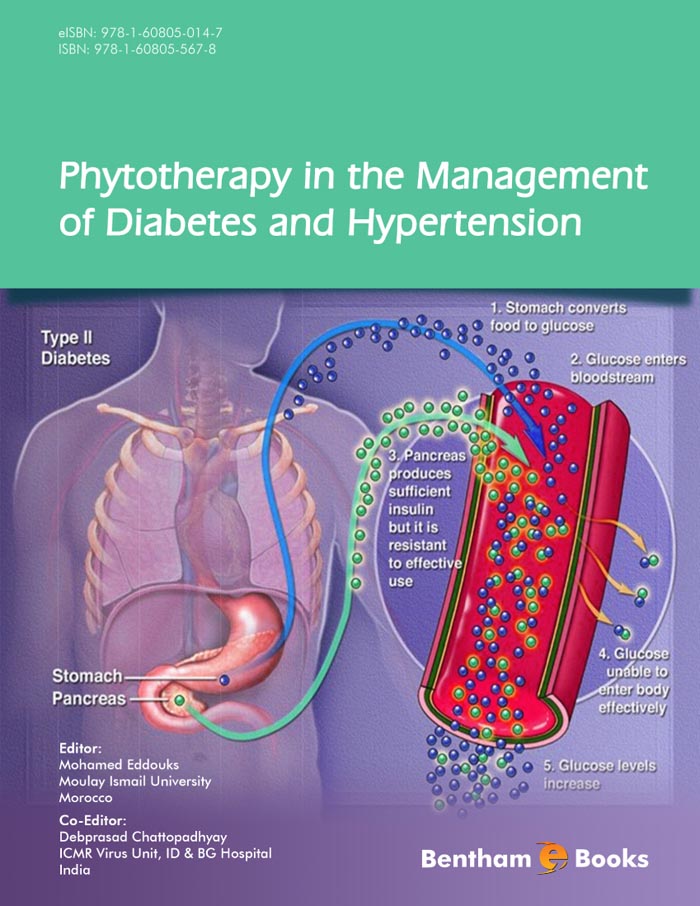
Phytotherapy in the Management of Diabetes and Hypertension: Volume 1
More LessPhytotherapy in the Management of Diabetes and Hypertension is a good addition to existing volumes detailing knowledge of hyperglycemia therapy. This e-book emphasizes the basic biochemistry behind diabetes mellitus and hypertension, along with the control or remediation of these conditions through a cost effective, safe, easy-going, easy-adaptable method validated by scientific research. This e-book contains 7 chapters dealing with various aspects of these diseases and their Phytotherapy treatment and life style management. Phytotherapy can give patients long term benefits with less or no side effects. Hence, this e-book is an authentic alternative or complementary therapeutic compendium to physicians and patients. This book will also be useful to students, teachers, researchers, clinicians and general readers interested in learning about applied phytotherapy.
-
-
-
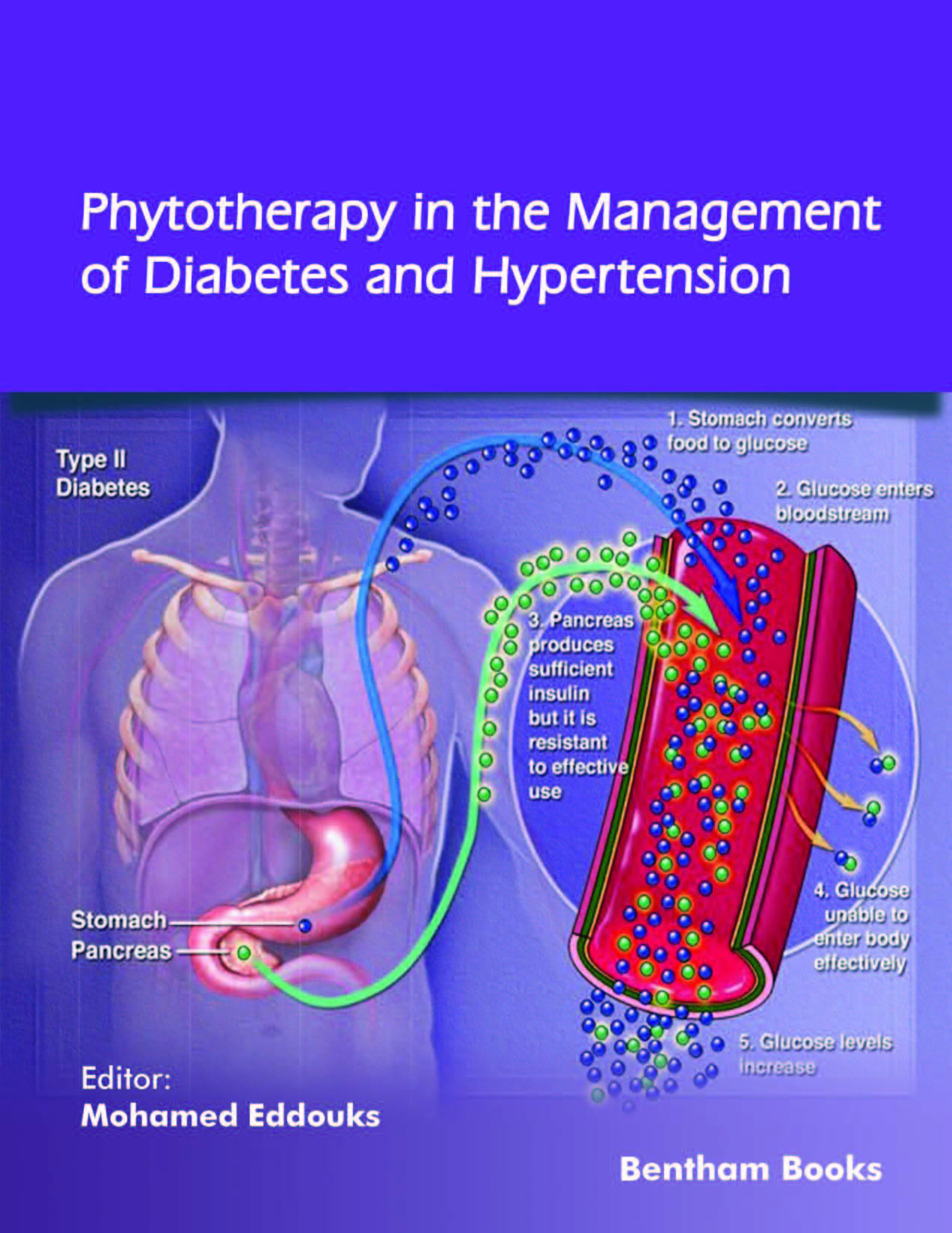
Phytotherapy in the Management of Diabetes and Hypertension: Volume 3
More LessMedicinal plants are a source of potential therapeutic compounds. Phytotherapy can give patients long term benefits with less or no side effects. This is the third volume of the series which features monographs on selected natural products used to treat diabetes and hypertension. This volume brings 7 chapters contributed by 22 researchers, that cover updates on the biochemistry of diabetes, information on anti-diabetic and antihypertensive properties of oil bearing plants, herbs, fruits and vegetables, medicinal plants from Asia, as well as the medicinal value of specific plants such as, star apple (Chrysophyllum cainito). In terms of therapeutic agents, two reviews in this volume focus on terpenoids and glucagon-like peptide 1 are also included.
Each review covers different plant species or medicinal agents where applicable, providing readers essential information about their role in the treatment of diabetes and hypertension.
Both academic and professional pharmacologists as well as clinicians will find comprehensive information on a variety of therapeutic agents in this volume.
-
-
-
Phytotherapy in the Management of Diabetes and Hypertension: Volume 4
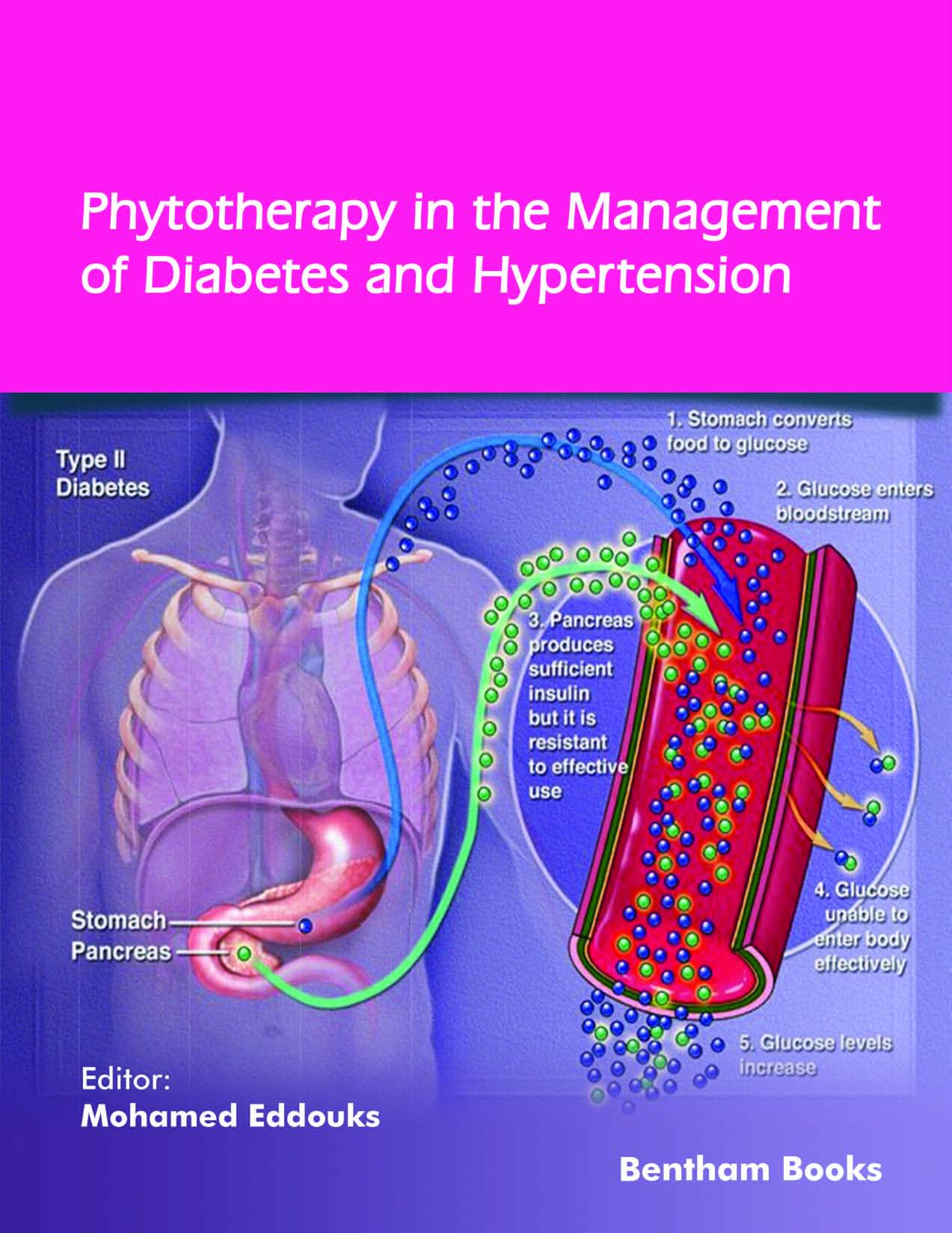
More LessMedicinal plants are a source of potential therapeutic compounds. Phytotherapy can give patients long term benefits with less or no side effects. Phytotherapy in the Management of Diabetes and Hypertension is a book series which emphasizes the biochemistry behind diabetes mellitus and hypertension, along with the control or remediation of these conditions through cost effective, safe and easily-adaptable methods validated by scientific research. This is the fourth volume of the series which features reviews on selected natural products used to treat diabetes and hypertension. This volume brings 6 chapters contributed by 14 researchers that cover general updates on diabetic phytotherapy, circumin, and the medicinal use of olive leaves, passion fruit and spiral gingers in the treatment of diabetes and hypertension.
Each review covers different plant species or medicinal agents where applicable, providing readers essential information about their role in the treatment of diabetes and hypertension.
Both academic and professional pharmacologists as well as clinicians will find comprehensive information on a variety of therapeutic agents in this volume.
-
-
-
Plant Mediated Synthesis of Metal Nanoparticles
More LessThis book provides valuable knowledge about environmentally friendly methods of nanoparticle synthesis. The contents present information about the subject from synthesis, characterization, advantages, disadvantages, route of administrations up to effects of drug combinations.
Starting with an introduction to the concept of green nanoparticles, the book summarizes different types of plant extracts and their components. Green methods for preparing nanotherapeutic agents utilizing algae and marine plants to synthesize metal based nanoparticles are also explained. The book also places an emphasis on the improvement of metal nanoparticle formulations with polymers for antibacterial applications. A detailed review of the interaction of nanoparticles with or without drugs rounds the contents, with a guide to easily understand their site of action along with suitable reactions in the body.
This book is a primer on nanoparticle synthesis for pharmacology or nanomedicine programs that focus on sustainable and environmentally friendly methodologies for synthesizing therapeutics.
-
-
-
Plant Physiology: From Historical Roots to Future Frontiers
Current and Future Developments in Physiology: Volume 2
More LessPlant Physiology: From Historical Roots to Future Frontiers provides an in-depth exploration of the principles and advancements in plant physiology. Spanning eleven comprehensive chapters, the book traces the field`s historical evolution and covers modern applications such as stress physiology, growth regulators, genomics-proteomics, and bioinformatics. It highlights the integration of cutting-edge technologies like CRISPR-Cas and artificial intelligence, offering insights into their transformative potential in plant science.
Written for a scholarly audience, this book bridges traditional plant physiology with future-oriented innovations, providing a molecular and cellular perspective on growth, metabolism, and physiological processes. It serves as a valuable resource for understanding current challenges and emerging solutions in plant physiology.
Key Features:
- Coverage from historical foundations to advanced research topics.
- Focus on molecular mechanisms and quantitative approaches.
- Discussion of transformative technologies, including CRISPR-Cas and AI.
- Insights into secondary metabolites, stress metabolism, and bioinformatics.
-
-
-
Plant-Based Genetic Tools for Biofuels Production
More LessBiofuels are currently used as a viable alternative energy source in several countries. Plant-Based Genetic Tools for Biofuels Production explains biotechnological techniques and concepts that are applied to increase biofuel yield from plants and algae. Chapters of the book cover a variety of topics: the basic research techniques (cell suspension, embryogenesis, protoplast fusion), plant genetics (plant DNA mutations, new plant breeding techniques, viral genetic vectors for heterologous gene expression, sub cellular proteomes), genomic resources and bioinformatics tools, plant species with bioenergy and biofuel potential, factors influencing biomass yield, advances in cultivation technologies, fermentation of different substrates for ethanol production, and microalgae biomass technologies.
Readers will gain a thorough understanding of modern biofuel production.
Plant-Based Genetic Tools for Biofuels Production is a suitable reference for students in biotechnology and bioinformatics programs as well as researchers interested in information about the basics of biofuel production.
-
-
-
Plant-Microbe Interactions: A Comprehensive Review
More LessPlant-Microbe Interactions: A Comprehensive Review provides an in-depth analysis of the dynamic relationships between plants and their associated microbes, highlighting beneficial and harmful interactions. The book emphasizes the role of plant growth-promoting microorganisms (PGPMs) and biocontrol agents, covering nutrient acquisition, nitrogen fixation, and plant stress management. It also examines harmful microbes responsible for pathogenesis and biotic stress, offering insights into their ecological and molecular mechanisms.
The book examines microbiomes in both the rhizosphere and phyllosphere, the role of artificial neural networks in studying these interactions, and biotechnological advancements in managing plant pathogens. It brings together cutting-edge research on crop health, sustainable agriculture, and biotechnological innovations, offering comprehensive insights and practical solutions.
Key Features:
- Explores plant-microbe interactions in various environments.
- Details biotechnological applications in plant health management.
- Discusses microbial roles in nutrient bioavailability and stress tolerance.
- Highlights recent advances in pathogen management and crop improvement.
-
-
-
Plant-derived Hepatoprotective Drugs
More LessPlant-derived Hepatoprotective Drugs is a comprehensive guide that explores the world of medicinal plants and their hepatoprotective properties, offering both basic and applied insights for scholars and hepatology residents. Structured chapters provide a deep dive into the subject, while referencing relevant research and future perspectives. Readers will learn the science behind hepatotoxicity and the role of plants in safeguarding liver health. The book also helps researchers to explore bioactive compounds extracted from plants, along with herbal formulations that contribute to hepatoprotection, and conveys an understanding of the effects of edible plants and spices on liver wellness. A chapter focusing on isolation and characterization of phytochemicals bridges theory and application for discovering and developing hepatoprotective biopharmaceuticals. Key Features: Gives a thorough understanding of hepatotoxicity and related bioactive compounds Comprehensive references to enhance understanding Well-structured chapters providing organized knowledge Basic and applied information for diverse readers Future perspectives offering a glimpse into ongoing research This is an ideal reference for pharmacology scholars and residents in hepatology, as well as readers interested in nature's potential in promoting liver health.
-
-
-
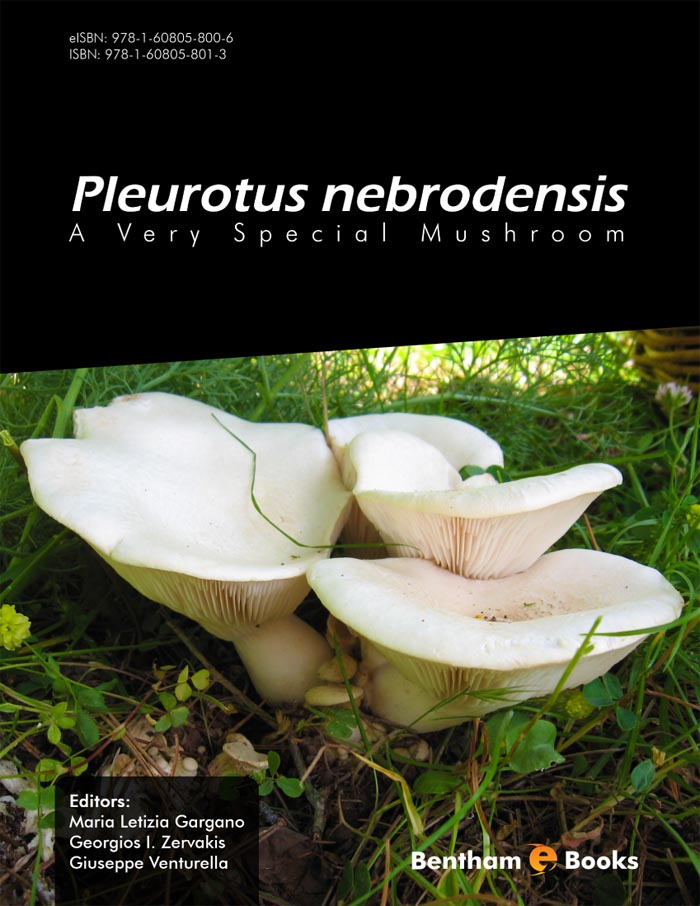
Pleurotus nebrodensis A Very Special Mushroom
More LessFirst described by Giuseppe Inzenga in 1863 as "the most delicious mushroom of the Sicilian mycological flora", Pleurotus nebrodensis remains today a prized species , especially in the Mediterranean. Pleurotus nebrodensis was sought after since ancient times as a delicious mushroom in the Madonie mountains of Sicily. Tourists and local people can appreciate the organoleptic qualities of the mushrooms in restaurants where delicious cuisine are prepared with raw or cooked mushrooms. However, its appearance and numbers are declining in nature and this species has been categorized as 'CR' (Critically Endangered) according to IUCN Red List Criteria. In situ conservation action for this fungus is being carried out thanks to rules issued by the Madonie Park administration prohibiting its collection as well as inoculation of roots of the associated plant C. ferulacea with grain mycelia of P. nebrodensis in the hope of increasing mushroom fructification in the wild. Ex situ conservation of P. nebrodensis has also started and involves cultivation of the mushroom in special farms in the hope of reducing collecting pressures on the species in the wild. Ex situ cultivation of P. nebrodensis also provides additional income for local farmers, who can offer a more economical product than that collected from the wild, and this in turn reduces pressure on the wild population.
This e-book is an excellent resource for amateur and professional mycologists for learning scientific information about the family Pleurotaceae with particular reference to the taxonomic group "Pleurotus on Apiaceae plants" and the "Pleurotus eryngii species-complex" and is also suitable for university students for useful insights in botany, microbiology, mycology, agronomy, and forestry.
Pleurotus Nebrodensis: A Very Special Mushroom also gives both general and specialized readers a glimpse into the selected history of mycology, folk traditions, preservation of biodiversity, sustainable development, information on mushroom cultivation techniques and alternative sources of income associated with this intriguing mushroom species.
-
-
-
Pluralist Readings in Economics: Key Concepts and Policy Tools for the 21st Century
Economics: Current and Future Developments : Volume 2
More LessThe era of globalization has brought about unprecedented social, political, and environmental challenges for policy makers around the world due to the global impact of economic decisions. In view of these challenges, economics, as a discipline, needs to be taught with the goal of broadening the dialogue on social responsibility, and developing a new pluralist culture of decision making which is inclusive to different schools of economic thought. Pluralist Readings in Economics: Key-concepts and policy tools for the 21st century highlights the long-standing debates regarding economic systems, business models, criteria of justice, and economic policies by providing conceptual openings to economic theory in an engaging and accessible way. The author provides broad coverage of relevant topics through the selection of influential economic thinkers and introduces the reader to their ideas, context, and relevant interpretations. While dealing with complex problems, the author goes beyond commonly known concepts by presenting questions on the historical context of globalization. The study of economic concepts in this way leads to asking new questions concerning various issues relevant to economics. The goal of the text is to provide an interdisciplinary perspective to readers in order to equip them with information that is key to address global economic challenges. Thus, this pluralist approach calls for a reflection of the evolution of global social and economic conditions to demonstrate problem solving approaches that align with the goal of addressing these challenges.
Pluralist Readings in Economics: Key-concepts and policy tools for the 21st century is suitable to a broad interdisciplinary readership as it will benefit all those who seek to better understand the complex stakes of the capitalist system, in the tensions between regulatory policies, free market equilibria, and participatory openings in governance. This introductory work also prepares the reader for debates and discussion in economic theory aimed at shaping policy transformations towards a more equitable, just and sustainable world.
-
-
-

Poison or Remedy? Case Reports on Selected Plants
More LessA fascinating exploration of widely used medicinal and culinary plants that straddle the line between healing and harm. Poison or Remedy? Case Reports on Selected Plants presents detailed botanical and phytochemical insights, highlighting the active compounds responsible for both therapeutic and toxic effects. The book draws on real-world cases from across the globe to examine how plant parts and preparations that are often used for health, culinary, or traditional purposes can lead to adverse outcomes when misused or misunderstood.
Featured plants include celery and Heracleum species with phototoxic effects, cinnamon rich in coumarins, tropane alkaloid-containing Angel's Trumpet, colchicine-bearing Gloriosa and Colchicum, licorice, ivy, nutmeg, oleander, Syrian rue, rhododendron (mad honey), and the castor oil plant. Through these examples, the book underscores the delicate balance between medicinal potential and toxic risk. Key Features:
- Explores the dual nature of medicinal plants through global case reports.
- Presents phytochemical structures of key bioactive and toxic compounds.
- Highlights real-world implications of plant misuse in food, medicine, and cosmetics.
- Combines scientific accuracy with readability for both experts and general readers.
- Promotes awareness of plant safety, regulation, and responsible usage.
-
-
-
Polarity Index in Proteins-A Bioinformatics Tool
More LessPolarity is a physico-chemical property that characterizes the electromagnetic stability of a protein and can be used to predict its plausible pathogenic action. For this reason, polarity is regarded as a major factor in most mathematical-computational algorithms that seek to characterize peptides and proteins. The Polarity Index Method makes it possible to reproduce the main classification of peptide proteins found in different databases, with a high degree of discriminative efficiency.
Polarity Index In Proteins is a brief monograph that explains the foundations of the polarity index method and presents examples of the application of this method for identifying the structural and functional relationships of different types of proteins (including cell penetrating peptides and natively unfolded proteins).
The monograph is divided into sections that cover basic protein biochemistry, the computational mathematical foundations of the polarity index method, the application of the method on different protein structures, and the evaluation of the results of famous experiments on biogenesis (Miller & Urey, Fox & Harada, Rode) by the same method.
Polarity Index In Proteins serves as an essential handbook for students and researchers in the field of bioinformatics, proteomics as well as for studies on the role of proteins in the origin of life.
-
-
-
Polymeric Nanomedicines
More LessOver the last few decades, numerous nanoparticle platforms have been studied for their use in therapeutic applications. This book deals with the description of the construction of technical systems that combines different functionalities which bring liposomes, polymer-drug conjugates, polymer-protein conjugates, dendrimers, polymeric micelles, polymerosomes and other nanoparticles into the realm of nanotechnology proper, as opposed to traditional pharmacology or supramolecular chemistry. The volume additionally covers topics such as passive and active targeting, the strategies used for drug targeting, and the synthesis and characterization of polymeric nanoparticle platforms. Targeted polymeric nanomedicines have shown exciting results in preclinical studies, demonstrating their potential as therapeutic carriers. Therefore, the development of polymeric nanomedicines as therapeutic agents has generated great enthusiasm both in academia and industry.
The book is systematically divided into chapters devoted to a class of polymeric nanomedicines. Each chapter also describes relevant aspects relating to drug design and targeting of polymeric nanomedicines wherever possible.
In addition, a series of chapters concerning the contribution of polymeric nanomedicines in the treatment of several categories of diseases including cancer, inflammatory, renal, immunological diseases, and brain disorders is also presented.
Key features of this book include:
- A comprehensive and cutting-edge overview of polymeric nanomedicines available in a single dedicated volume
- Discussions on advances in drug delivery systems for a variety of diseases
- more than 2000 references, tables, equations, and drawings
Readers, whether beginners or experts, will find in this book, contemporary and relevant information regarding the synthesis, evaluation and applications of polymeric nanomedicines. Supplemented with extensive bibliographic references, tables and figures, this book is an essential and incomparable reference for medicinal chemists, biologists, and medical (oncologic) researchers, as well as for scientists, undergraduate and graduate students in the field of medical bioengineering and polymer nanoscience.
-
-
-
Polymers in Modern Medicine (Part 1)
More LessPolymers in Modern Medicine – Part 1 offers an in-depth exploration of the transformative role of polymers in healthcare and medical innovation. This comprehensive book examines the diverse applications of polymeric materials in areas such as controlled drug delivery, tissue engineering, diagnostics, regenerative medicine, and personalized therapies. With chapters spanning polymeric scaffolds, nanotechnology, smart polymers, biopolymers, and polymer-based implants, it provides detailed insights into the science and technology shaping modern medicine. The book also highlights cutting-edge advancements in polymeric coatings for medical devices, cancer nanomedicine, and vaccine development, emphasizing sustainability and biocompatibility.
Key Features:
- Latest advancements in polymer nanotechnology, scaffolds, hydrogels, and smart polymers.
- Applications in drug delivery, prosthetics, diagnostics, and regenerative medicine.
- Discusses biocompatible, sustainable, and personalized polymeric materials.
- Bridges the gap between academia, industry, and clinical research.
-
-
-
Polymers in Modern Medicine - Part 2
More LessPolymers in Modern Medicine – Part 2 examines the innovative use of polymers in advanced healthcare applications, focusing on personalized medicine, regenerative therapies, and diagnostics. The book highlights groundbreaking topics such as polymer-based nanomedicine for cancer therapy, polymeric hydrogels, biopolymers, and the role of polymers in diagnostics and vaccines. Building on foundational principles, it explores polymeric approaches to sustainable and patient-specific treatments.
Readers will gain a deep understanding of emerging polymer technologies and biocompatible materials and their impact on cutting-edge medical solutions. This resource bridges the gap between scientific research and practical implementation in the pharmaceutical, biomaterial, and medical device industries.
Key Features:
- Covers polymers in regenerative medicine, nanomedicine, and diagnostics.
- Insights into polymeric hydrogels, biopolymers, and smart polymers.
- Sustainability and patient-specific applications in healthcare.
-
-
-

Populations, Biocommunities, Ecosystems: A Review of Controversies in Ecological Thinking
More LessDiscussions on historical and philosophical issues in ecology have been rather limited. This volume presents an enriched and comprehensive review on ecological issues. The topics covered in this e-book include the emergence of the field of life-history strategies in population ecology, the model building tradition in community ecology, the holism/reductionism debate, the ecosystemic and systemic approach as well as a discussion of the emergence, development and dominance of the biodiversity concept. By bringing together diverse ideas, points of view and theoretical traditions, often treated separately, the book allows the development of ecology as a whole discipline to emerge. This introductory book is intended to stimulate discussion among both beginners and professionals in the field of history and/or philosophy of science, as well as ecologists. The topics covered are also central to the concerns of scholars engaged in environmental studies, environmental ethics and policy-making.
-
-
-
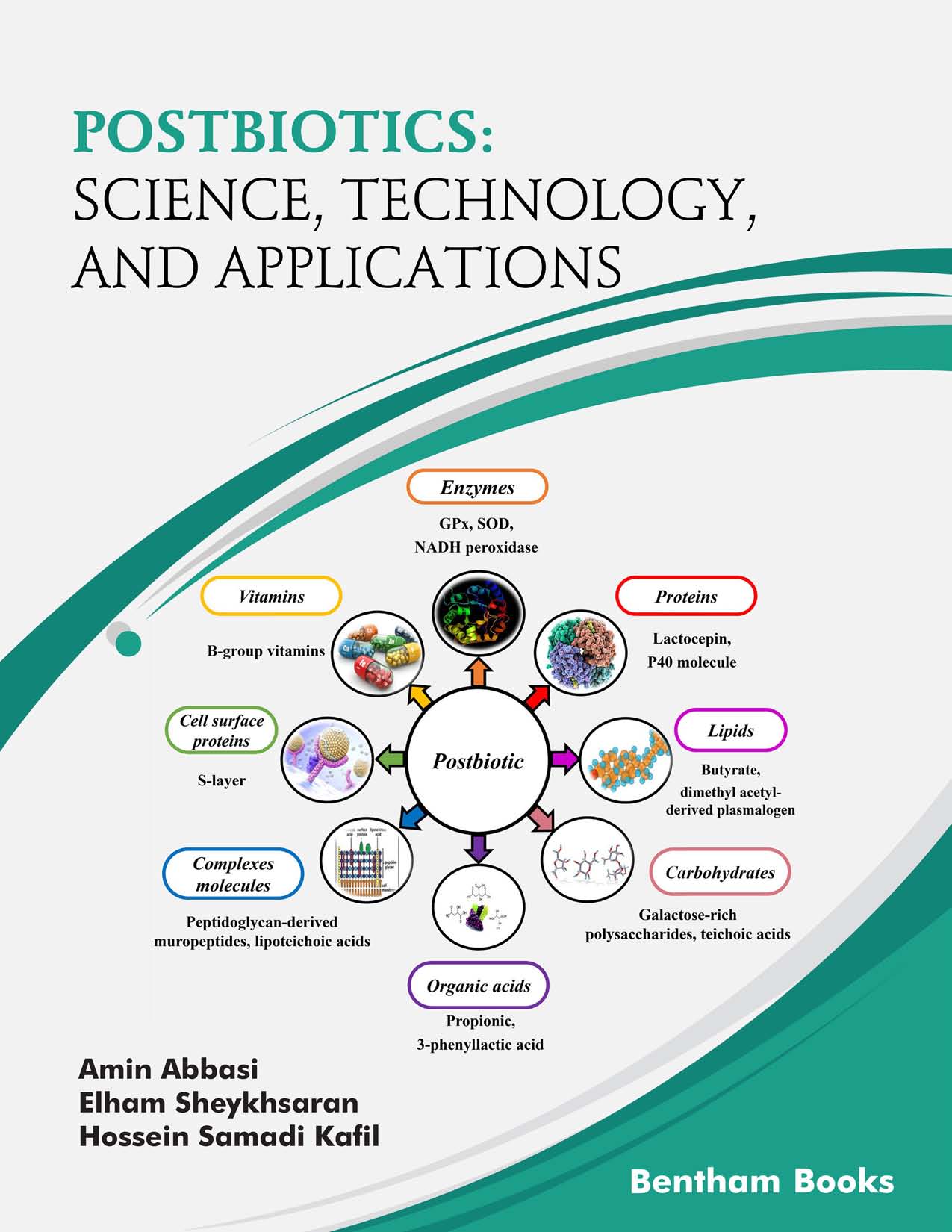
Postbiotics: Science, Technology and Applications
More LessPostbiotics: Science, Technology, and Applications explains fundamental and applied knowledge about postbiotics. Chapters cover the definition and classification of postbiotics, principal methods for preparing them, information about the main postbiotic constituents and their biological activities and their clinical health benefits. The authors also familiarize the reader with potential applications of postbiotics in the food industry, pharmaceutical chemistry, medicine, and veterinary practice. The text is supported by informative illustrations, tables, and references for further reading. This comprehensive reference, with its emphasis on both basic and applied knowledge, is useful for researchers, academics, veterinarians, and students in the field of microbiology, immunology, pharmacology, biotechnology, food science, and agriculture.
-
-
-
Potassium Channels as a Target for Clinical Therapeutics
More LessThis e-book presents an overview of the different substances capable of modulating potassium channels in relation to various clinical indications in cardiology, pulmonology, endocrinology and neurology. The possible benefits and side effects of potassium channel modulators is discussed in correlation with biophysical and pharmacological properties of ion channels. Readers will learn how mutation of K+ channels can be conferred by molecular processes such as alternative splicing, RNA editing and posttranslational modifications. Altogether, this e-book will be of use to clinical practitioners, electrophysiologists and pharmacologists interested in the complicated but fascinating science of potassium channels.
-
-
-
Potential Health Benefits of Biologically Active Peptides Derived from Underutilized Grains: Recent Advances in their Isolation, Identification, Bioactivity and Molecular Analysis
Frontiers in Bioactive Compounds: Volume 4
More LessThis volume is a complete review of the cutting-edge scientific evidence about the isolation, identification, bioactivity and molecular analysis of the biologically active peptides (BAPs) obtained from several underutilized grains. It provides a general review of current and new technologies in isolating and bioprospecting BAPs before going into the details of 11 grains. Amaranth, quinoa, millet, buckwheat, sorghum, lupin, mung bean, chickpea, broad bean, cocoa bean and chia are extensively discussed in dedicated chapters. Additionally, these chapters provide information about the characteristics of the crop, its main varieties, traditional uses, economic importance, nutritional aspects, structure and chemical composition of the grains, as well as the classification and distribution of the grain protein fractions. Moreover, the advances in the analytical techniques used for the concentration, purification and molecular characterization of BAPs are described. The impact of BAPs in the promotion of health is highlighted, as well as their potential incorporation as promising ingredients in the development of functional foods, nutraceuticals and cosmeceuticals. Finally, the main findings related to the potential antiviral and anti-COVID-19 activities of BAPs derived from underutilized grains are described. This reference will be of interest for academics, professionals and researchers focused in food science, biotechnology, pharmacology and agriculture, and to professionals involved in the research and development of natural products, pharmaceuticals and cosmeceuticals.
-
-
-
Practical Biochemistry
More LessPractical Biochemistry provides both foundational knowledge and advanced insights into biochemistry, including the basic compounds, and laboratory methods. The book is designed for students and academic professionals seeking a comprehensive understanding of the practical aspects of the subject.
The book is systematically divided into five sections, each dedicated to a specific category of macromolecules and related biochemical techniques: 1) Carbohydrates, 2) Proteins, 3) Nucleic acids, 4) Lipids, 5) Supplementary Techniques and Safety Data Sheet (SDS). Each chapter within these sections is structured to provide a thorough understanding of the aim, principles, procedures, and practical applications of biochemical techniques.
Key features:
· Comprehensive Information: meticulously organized and structured chapters provide a thorough and methodical approach to learning
· Additional Learning Tools: Did You Know' segments and Viva Voice' questions enrich the learning experience by offering interesting facts and stimulating critical thinking
· Practical Focus: Step-by-step guides aid readers in understanding and applying the techniques in the lab
· Safety and Accuracy: teaches how to conduct safe and accurate experiments with precautions
· Accessible Language: simple and lucid language helps beginners to understand complex biochemical concepts
-
-
-

Practical Digital Forensics: A Guide for Windows and Linux Users
More LessPractical Digital Forensics: A Guide for Windows and Linux Users is a comprehensive resource for novice and experienced digital forensics investigators. This guide offers detailed step-by-step instructions, case studies, and real-world examples to help readers conduct investigations on both Windows and Linux operating systems. It covers essential topics such as configuring a forensic lab, live system analysis, file system and registry analysis, network forensics, and anti-forensic techniques. The book is designed to equip professionals with the skills to extract and analyze digital evidence, all while navigating the complexities of modern cybercrime and digital investigations.
Key Features:
- Forensic principles for both Linux and Windows environments.
- Detailed instructions on file system forensics, volatile data acquisition, and network traffic analysis.
- Advanced techniques for web browser and registry forensics.
- Addresses anti-forensics tactics and reporting strategies.
-
-
-

Practical Handbook of Thermal Fluid Science
More LessPractical Handbook of Thermal Fluid Science is an essential guide for engineering students to practical experiments and methods in fluid mechanics. It presents the topic of practical fluid physics in a simple, clear manner by introducing the fundamentals of carrying out experiments and operational analysis of systems that are based on fluid flow. The information enables readers to relate principles in thermal fluid science with the real world operation of important instruments that greatly impact our daily life, such as power generators, air conditioners, refrigerators, engines, flow meters, airplanes, among others. Key Features: - A simple organized chapter layout that focuses on fundamental and practical information about thermal fluid science experiments and equipment - Provides an introduction to essential knowledge for analysis and evaluation of practical systems and major inventions - Presents information about analysis of operating data for power plant efficiency - Detailed chapters for studying and testing wind tunnels, sphere heating/cooling, pipe flow, engines, and refrigerators/heat pumps are provided - Experimental data of Venturi and orifice plate flow meters are provided to show step by step calibration and experimentation. - Presents information on report preparation - Includes multiple appendices to consolidate practical information for readers for quick reference.
-
-
-
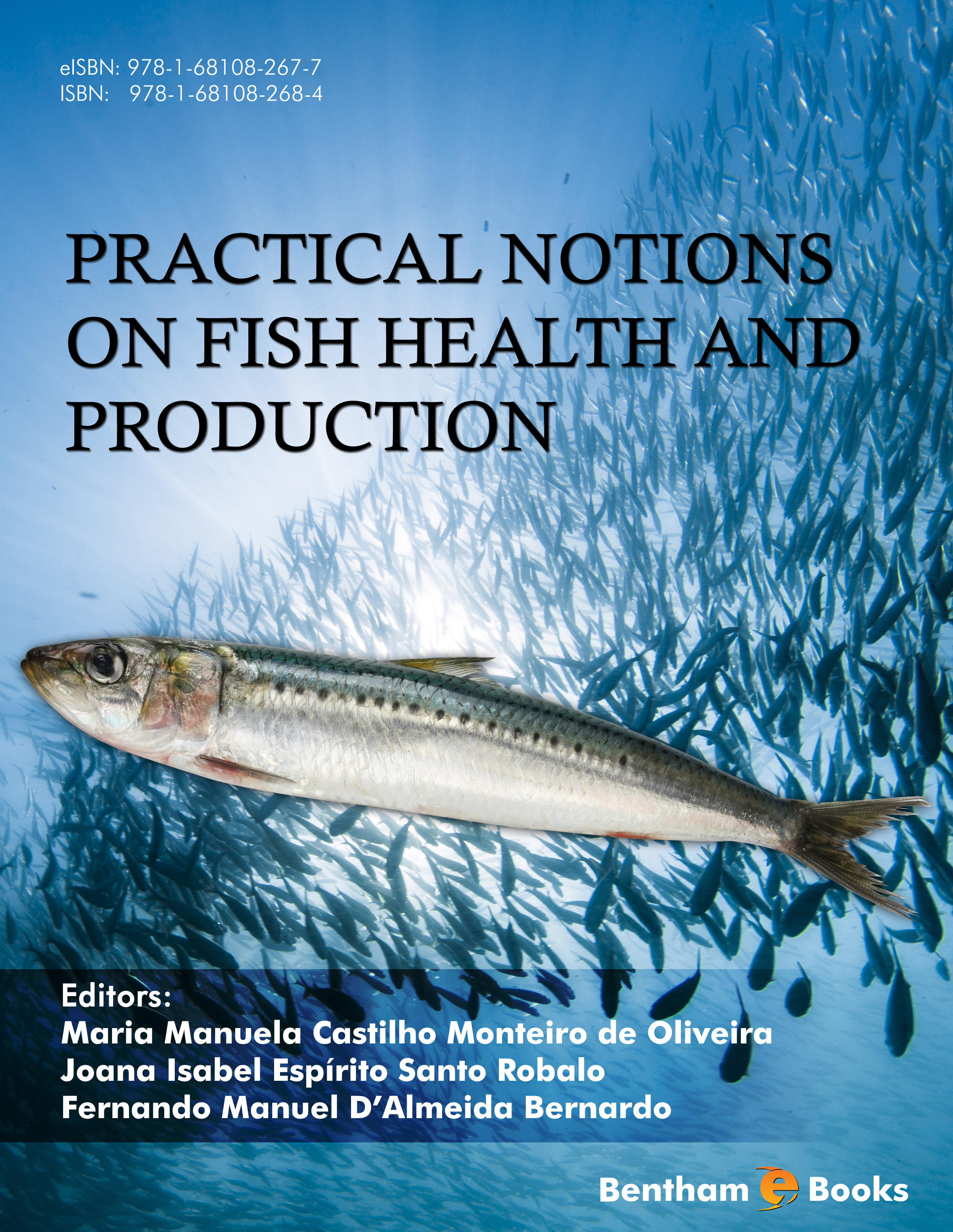
Practical Notions on Fish Health and Production
More LessMaintaining ideal fish health and production, both of farmed and wild fish populations, requires continuous infrastructural and process upgrades to avoid significant losses as well as to facilitate seafood safety. Aquaculture is multidisciplinary in nature, combining knowledge from biology, veterinary medicine and food technology.
Practical Notions on Fish Health and Production brings an integrated approach concerning practical aspects of ichthyology, fish health and aquaculture systems. The textbook will give readers a better understanding of issues related to the management of fish health and production, seafood processing, security, quality and safety.
The book is organized in three sections which cover 1) general aspects of fish biology and development, 2) fish diseases and veterinary medicine, and 3) aquaculture and marine food supply chain management.
Practical Notions on Fish Health and Production is an essential text for students, food industry professionals and novice fish farmers undertaking courses or training programs in veterinary medicine, aquaculture, and marine food processing systems.
-