


Bentham Science Publishers
Bentham Science Publishers is a major publisher of more than 100 peer-reviewed science, technology and medical (STM) journals, along with a rapidly growing collection of eBooks. Since 1993, Bentham Science Publishers has been catering to the information needs of the pharmaceutical, engineering, biomedical and medical research community.1201 - 1250 of 1981 results
-
-

Mechatronics Series I - Intelligent Transportation Vehicles
More LessMechatronics Series I: Intelligent Transportation Vehicles brings the latest advances and developments in intelligent vehicles to readers on the basis of their significance and quality. Wider dissemination of research developments will stimulate more exchanges and collaborations among the research community and contribute to further advancement of this rapidly growing field. This Ebook series includes key contributions presented by different researchers. These contributions represent a wide coverage of the state-of-the-art and the emerging research directions in intelligent transportation vehicles.
-
-
-
Medical Applications of Beta-Glucan
More LessBeta-glucan is a polysaccharide and an important food supplement that strengthens the immune system. Beta-glucan can be obtained from many food sources such as mushrooms, yeast, or oats. Beta-glucan has a therapeutic use in the treatment of many diseases, thanks to its immune system strengthening effect. Its use helps curtail the need for administering high levels of antibiotics in case of serious infections.
This book presents information about the medical applications of beta-glucan. Starting with an introduction to the basic biochemistry and classification of beta-glucan, the contents explain the readers about its use in treating a variety of medical conditions. These include cancer, allergies, COVID-19, respiratory tract infections, hypercholesterolemia, diabetes and many other other endocrinological, immunological and infectious diseases.
This book is a comprehensive resource about the medical use of beta-glucan where any reader can find topical information and learn about recent studies on the therapeutic effects of beta-glucan on the treatment of different diseases.
-
-
-
Medical Imaging Technologies and Methods for Health Care
Recent Advances in Imaging: Volume 1
More LessMedical Imaging Technologies and Methods for Health Care provides timely, evidence-based information that helps readers understand innovations in medical imaging. These innovations are computer / imaging based technologies which are set to have a bigger impact on the detection and management of human diseases.
This volume covers:
-Image processing and analyses
-Computer-aided diagnosis and detection
-Data mining in medical imaging
-Mobile picture archiving and communications systems (PACS)
-Image analytic methods in bone mineral density and detection of Alzheimer's disease
-Biomedical engineering methods applied in biomedical imaging
This volume is intended as a useful resource for undergraduate and post-graduate students in medical imaging technology, radiographers, doctors, biomedical engineers, researchers and practitioners in health care.
-
-
-
Medicinal Chemistry
More LessMedicinal Chemistry, a peer-reviewed journal, aims to cover all the latest outstanding developments in medicinal chemistry and rational drug design. The journal publishes original research, full-length/mini-review articles, short communications, letters, and guest-edited thematic issues covering recent research and developments in the field. Articles are published rapidly by taking full advantage of Internet technology for both the submission and peer review of manuscripts.
Medicinal Chemistry covers all areas of medicinal chemistry, including biological evaluation of novel biologically active compounds, diagnostic agents, or labeled ligands employed as pharmacological tools, structural biological studies using X-ray, NMR, etc., of relevant ligands and biological targets, aiming at the investigation of molecular recognition processes involved in the action of bioactive compounds. The journal also covers chemical and analytical techniques used in rational drug design, synthetic chemistry, bioorganic chemistry of small molecules and naturally occurring compounds, structural characterization, drug-likeness, optimization of structure and properties, the effect of molecular structure on the distribution, pharmacokinetics, and metabolic transformation and toxicology of bioactive compounds including design, synthesis, and evaluation of novel types of prodrugs, quantitative structure-activity relationships, modelling studies, docking studies, new and emerging drug targets, pharmacogenomics, high-throughput screening, and combinatorial chemistry.
Medicinal Chemistry is an essential journal for all researchers involved in drug design and discovery.
Medicinal Chemistry is an international, peer-reviewed journal on all aspects of medicinal chemistry, published monthly (print & online) by Bentham Science Publishers.
-
-
-
Medicinal Chemistry - Fusion of Traditional and Western Medicine, First Edition
More LessMedicinal Chemistry - Fusion of Traditional and Western Medicine is a textbook intended for students taking courses in the various fields of medicinal chemistry, pharmacy, medical and dental programs. Moreover, people working in the pharmaceutical industry and doctors preparing for Medical Board Exams will also find it useful. Since, new drugs are being developed by multi-disciplinary teams; this E-Book describes new paradigms that are emerging in modern biology, biochemistry and medicine. It is therefore a fusion of traditional and western medicine and between systems thinking and reductionist thinking. Readers will learn about how new drugs are investigated, developed and eventually approved by the FDA. The book also includes important information about cGMP, GLP and the FDA regulatory requirements, the importance of environmental toxins, such as bisphenol A (BPA) and perfluorooctanoic acid (PFOAA) in autoimmune diseases and health. This book offers exceptional value in its descriptions of RNA, epigenetics, toxicology, new drug development, genetically modified organisms and analytical chemistry that cannot be found in other textbooks.
-
-
-
Medicinal Chemistry - Fusion of Traditional and Western Medicine, Second Edition
More LessMedicinal Chemistry - Fusion of Traditional and Western Medicine is a textbook intended for students taking courses in the various fields of medicinal chemistry, pharmacy, medical and dental programs. Moreover, people working in the pharmaceutical industry and doctors preparing for Medical Board Exams will also find it useful. Since, new drugs are being developed by multi-disciplinary teams; this E-Book describes new paradigms that are emerging in modern biology, biochemistry and medicine. It is therefore a fusion of traditional and western medicine and between systems thinking and reductionist thinking. Readers will learn about how new drugs are investigated, developed and eventually approved by the FDA. The book also includes important information about cGMP, GLP and the FDA regulatory requirements, the importance of environmental toxins, such as bisphenol A (BPA) and perfluorooctanoic acid (PFOAA) in autoimmune diseases and health. This book offers exceptional value in its descriptions of RNA, epigenetics, toxicology, new drug development, genetically modified organisms and analytical chemistry that cannot be found in other textbooks.
-
-
-
Medicinal Chemistry - Fusion of Traditional and Western Medicine, Third Edition
More LessMedicinal Chemistry - Fusion of Traditional and Western Medicine is a textbook intended for students taking courses in the various fields of medicinal chemistry, pharmacy, medical and dental programs. Moreover, people working in the pharmaceutical industry and doctors preparing for Medical Board Exams will also find it useful. Since, new drugs are being developed by multi-disciplinary teams; this E-Book describes new paradigms that are emerging in modern biology, biochemistry and medicine. It is therefore a fusion of traditional and western medicine and between systems thinking and reductionist thinking.
The 3rd edition attempts to explain the predictive, preventive, personalized and participatory (P4) paradigm of medicinal chemistry. This edition features new chapters focusing on personalized medicinal chemistry and the endocrine system (with a discussion of bioidentical hormone therapy). Other chapters cover the disease mechanism and associated pharmacology of drugs for several diseases including cancer, metabolic syndrome, diabetes, heart disease, stroke, osteoporosis, neurodegenerative diseases, the immune system and much more. The new edition also includes an overview of emergent medical problems and possible solutions (such as the flu, ebola virus, global climate change, a shortage of medicines, genetic engineering and stem cell therapy). Drugs that have been approved by the FDA since the 1st edition was written are also included. The book concludes with an explanation of systems thinking in medicinal chemistry, an important, yet rarely explored topic in other medicinal chemistry text books.
-
-
-
Medicinal Chemistry for Pharmacy Students
Fundamentals of Medicinal Chemistry and Drug Metabolism: Volume 1
More LessThe primary objective of this 4-volume book series is to educate PharmD students on the subject of medicinal chemistry. The book set serves as a reference guide to pharmacists on aspects of chemical basis of drug action. This first volume of the series is comprised of 8 chapters focusing on basic background information about medicinal chemistry. It takes a succinct and conceptual approach to introducing important fundamental concepts required for a clear understanding of various facets of pharmacotherapeutic agents, drug metabolism and important biosynthetic pathways that are relevant to drug action. Notable topics covered in this first volume include the scope and importance of medicinal chemistry in pharmacy education, a comprehensive discussion of the organic functional groups present in drugs, and information about four major types of biomolecules (proteins, carbohydrates, lipids, nucleic acids) and key heterocyclic ring systems. The concepts of acid-base chemistry and salt formation, and their applications to the drug action and design follow thereafter. These include concepts of solubility and lipid-water partition coefficient (LWPC), isosterism, stereochemical properties, mechanisms of drug action, drug receptor interactions critical for pharmacological responses of drugs, and much more. Students and teachers will be able to integrate the knowledge presented in the book and apply medicinal chemistry concepts to understand the pharmacodynamics and pharmacokinetics of therapeutic agents in the body.
-
-
-
Medicinal Chemistry for Pharmacy Students
Medicinal Chemistry of Drugs Affecting Cardiovascular and Endocrine Systems: Volume 3
More LessThe primary objective of this 4-volume book series is to educate PharmD students on the subject of medicinal chemistry. The book set serves as a reference guide to pharmacists on aspects of the chemical basis of drug action. Medicinal Chemistry of Drugs Affecting Cardiovascular and Endocrine Systems is the third volume of the series. This volume features 8 chapters focusing on a comprehensive account of drugs affecting both the cardiovascular system and the endocrine functions. The volume informs readers about the medicinal chemistry of relevant drugs, which includes the mechanism of drug action, detailed structure-activity relationships and metabolism. Topics covered include drugs that affect the renin-angiotensin system, calcium channel blockers, diuretics, hematological agents (anticoagulants, thrombolytic and antiplatelet agents), antidiabetics, antihistamines, proton pump inhibitors and therapeutic hormones. Each chapter also offers case studies and self-assessments to facilitate discussion and learning. The book equips students with a scientific foundation to competently evaluate, recommend and counsel patients and health care professionals regarding the safe, appropriate, and cost-effective use of medications. Students and teachers will also be able to integrate the knowledge presented in the book and apply medicinal chemistry concepts to understand the pharmacodynamics and pharmacokinetics of therapeutic agents in the body. The information offered by the book chapters will give readers a strong neuropharmacology knowledge base required for a practicing pharmacist.
-
-
-

Medicinal Chemistry of Drugs Affecting the Nervous System
Medicinal Chemistry for Pharmacy Students: Volume 2
More LessThe primary objective of this 4-volume book series is to educate PharmD students on the subject of medicinal chemistry. The book set serves as a reference guide to pharmacists on aspects of the chemical basis of drug action. Medicinal Chemistry of Drugs Affecting the Nervous System is the second volume of the series and it presents 8 chapters focusing on a comprehensive account of drugs affecting the nervous system. The volume informs readers about the medicinal chemistry of relevant drugs, which includes the mechanism of drug action, detail structure activity relationships and metabolism as well as clinical significance of drugs affecting autonomic and central nervous system. Chapters in this volume cover cholinergic drugs, adrenergic drugs, antipsychotics, antidepressants, sedatives, hypnotics, anxiolytics, antiepileptic drugs, anesthetics and antiparkinsonian drugs, respectively. Students and teachers will be able to integrate the knowledge presented in the book and apply medicinal chemistry concepts to understand the pharmacodynamics and pharmacokinetics of therapeutic agents in the body. The information offered by the book chapters will give readers a strong neuropharmacology knowledge base required for a practicing pharmacist.
-
-
-
Medicinal Plants of Pilibhit Tiger Reserve (PTR) India
More LessMedicinal Plants of Pilibhit Tiger Reserve (PTR) India explores the reserve's extensive biodiversity, focusing specifically on its rich array of medicinal flora. It serves as an invaluable resource, detailing various plant species and their traditional uses, alongside their potential applications in modern medicine. This comprehensive work aims to bridge traditional wisdom with scientific research.
Key Features:
- Detailed botanical descriptions and ecological roles of identified medicinal plants.
- Insights into traditional knowledge and cultural significance associated with these plants.
- Discussions on conservation challenges and strategies for preserving biodiversity.
- Exploration of these plants' roles in sustainable healthcare and local economies.
-
-
-
Medicinal Plants, Phytomedicines and Traditional Herbal Remedies for Drug Discovery and Development against COVID-19
More LessThis comprehensive reference explores medicinal plants, phytomedicines, and traditional herbal remedies as potential sources for the prevention and treatment of COVID-19. It features 9 chapters authored and edited by renowned experts. The book specifically highlights the promising drug discovery opportunities grounded in bioactive compounds from medicinal plants and herbal medicines, offering insights into combatting SARS-CoV-2 infections and respiratory complications.
Key Highlights:
Drug Discovery Potential: Explores the vast potential of medicinal plants, phytomedicine, and traditional remedies against COVID-19, shedding light on groundbreaking drug discovery avenues.
Cutting-Edge Insights: Provides up-to-date insights into the use of medicinal plants, herbal drugs, and traditional medicines in the fight against COVID-19.
Natural Immune Boosters: Details the use of indigenous herbs, spices, functional foods, and herbal drugs for boosting immunity and preventing SARS-CoV-2 infections.
Drug Repurposing: Highlights innovative drug repurposing strategies using phytomedicine-derived bioactive compounds and phytochemical databases for COVID-19 drug development. Additional features of the book include a reader-friendly introduction to each topic and a list of references for advanced readers. This timely reference is an informative resource for a broad range of readers interested in strategies to control COVID-19, including postgraduate researchers, and pharmaceutical R&D experts. It also serves as a handbook for professionals in clinical and herbal medicine.
-
-
-
Medicinal Plants: Microbial Interactions, Molecular Techniques and Therapeutic Trends
More LessMedicinal Plants: Microbial Interactions, Molecular Techniques, and Therapeutic Trends is a comprehensive exploration of the fascinating world of medicinal plants, their therapeutic advancements, and the application of molecular techniques to unlock their full potential. This book is structured into three illuminating sections, each shedding light on different facets of this rapidly developing field.
Section 1: Exploring Plant-Microbe Interactions
Covers the relationship between microbes and plants, the historical context and the pivotal role of microbes in shaping the future of medicinal plants. Discover the diverse array of bacteria associated with these plants and grasp their significance in enhancing the medicinal value of plants.
Section 2: Harnessing Molecular Techniques
Covers cutting-edge molecular techniques such as genome editing and modern breeding methods to optimize the genetic traits of medicinal plants. By understanding these techniques, readers will learn how to enhance plant growth, yield and quality.
Section 3: Nanotechnology for Therapeutic Enhancement
Covers nanotechnology and its transformative impact on medicinal plants. The section highlights emerging nano-engineering technology that can revolutionize the therapeutic properties of these plants.
Medicinal Plants: Microbial Interactions, Molecular Techniques, and Therapeutic Trends is a book for Interdisciplinary readers: students, scientists, academics, and industry professionals alike.
Whether you're a student, scientist, academic, or industry professional, this book is your gateway to the evolving world of plant-based medicine.
-
-
-
Medicinal and Aromatic Plants: The Basics of Industrial Application
Frontiers in Horticulture: Volume 1
More LessThis book provides readers a fundamental understanding of the science and applications of medicinal and aromatic plant materials. Chapters of this handbook covers the basics of ethnobotany, (bio)active compounds and their natural sources. Information about the cosmetic, nutritional, medicinal and industrial uses (dyes, tannins and biocides) is also presented. Readers will also learn about concepts central to quality control processes, sustainable management, wild harvesting and the economic valuation of the industrial impact of endemic plants.
The volume also presents a case study of the wormwood (Artemisia absinthium L.), which is helpful in explaining the above concepts.
This book is intended as a handbook for undergraduate students and teaching professionals in research and higher education institutions involved in agricultural engineering, pharmacy, forestry, natural product chemistry. Non experts interested in aromatic and medicinal plant agriculture, transformation and commercialization will also find the content informative.
-
-
-
Medicinal and Environmental Chemistry: Experimental Advances and Simulations (Part I)
More LessMedicinal and Environmental Chemistry: Experimental Advances and Simulations is a collection of topics that highlight the use of pharmaceutical chemistry to assess the environment or make drug design and chemical testing more environment friendly.
The ten chapters included in the first part of this book set cover diverse topics, blending the fields of environmental chemistry and medicinal chemistry and have been authored by experts, scientists and academicians from renowned institutions. The book introduces the reader to environmental contaminants and techniques for their quantification and removal. A medicinal perspective for effects and remediation of environmental hazards, and therapeutic strategies available to design new and safer drugs, is addressed with a focus on knowledge about experimental and simulation methods. To further elaborate the importance of environmentally safe chemical practice, the concept of green chemistry has also been covered.
Specialized chapters have been included in the book about persistent organic pollutants, heavy metal and plastic pollutants, the effect of environmental xenoesterogens on human health and the potential of natural products to combat ecotoxicity.
Key Features:
1. 10 topics which blend environmental chemistry and medicinal chemistry
2. Contributions from more than 30 experts
3. Includes introductory topics on environmental pollutants, investigative techniques in drug design and environmental risk assessment and green chemistry
4. Includes specialized topics on persistent pollutants, ecotoxicity remediation and xenoestrogens
5. Bibliographic references
This reference is an essential source of information for readers and scholars involved in environmental chemistry, pollution management and pharmaceutical chemistry courses at graduate and undergraduate levels. Professionals and students involved in occupational medicine will also benefit from the wide range of topics covered.
-
-
-
Medicinal and Environmental Chemistry: Experimental Advances and Simulations (Part II)
More LessMedicinal and Environmental Chemistry: Experimental Advances and Simulations is a collection of topics that highlight the use of pharmaceutical chemistry to assess the environment or make drug design and chemical testing more environment friendly.
The eleven chapters included in the second part of this book set cover diverse topics, blending the fields of environmental chemistry and medicinal chemistry and have been authored by experts, scientists and academicians from renowned institutions. This part is more specialized in nature, focusing primarily on the effects of air pollution and water contamination on human health. Chapters covering pharmaceutical interventions and pollution control measures, respectively follow these initial topics.
Part II also features specialized topics that aim to address some unique challenges of the above mentioned problems including antibiotic pollution, pharmaceutical analysis of pollutants, chemosensors, biosteric modifications and new drug development strategies against SARS-CoV2.
Key Features:
1. 11 topics which blend environmental chemistry and medicinal chemistry
2. Contributions from more than 40 experts
3. Includes topics covering effects of air pollution on human health and disease
4. Includes specialized topics on pharmaceutical analysis in the environment, and modifications of compounds for pharmaceutical purposes
5. Bibliographic references
This reference is an essential source of information for readers and scholars involved in environmental chemistry, pollution management and pharmaceutical chemistry courses at graduate and undergraduate levels. Professionals and students involved in occupational medicine will also benefit from the wide range of topics covered.
-
-
-
Medicine Demystified
The Regeneration Promise: The Facts behind Stem Cell Therapies: Volume 1
More LessThe Regeneration Promise is a reader-friendly guide to the world of regenerative medicine and stem cell technology. It covers the history of stem cell technology as a general introduction to the subject and then continues with a description of the many known types of stem cells and how these can potentially be used to treat disease. The author explains the pros and cons of using stem cell technology to treat patients in simple and factual terms throughout the book while clarifying many stem cell myths. There is valuable advice for people considering undergoing stem cell therapy and also for those who are considering stem cell storage such as umbilical cord blood storage at the birth of a baby. The book also covers information on current research in stem cell technology and how this may be useful in the clinic, as promising regenerative medicine treatments emerge in the near future. The simple use of language with a clear explanation of scientific terms, where applicable, makes this book an accessible source of information for anyone interested in enhancing their general knowledge about regenerative medicine when considering such treatment options and understanding the debate surrounding stem cell technology and its use in disease therapy.
-
-
-

Melanin, the Master Molecule
More LessMelanin is a biological molecule associated with pigmentation in humans and animals. However, melanin has been observed to have other functions such as neuroprotection and energy production. In Melanin, the Master Molecule, researchers summarize several decades worth of knowledge on melanin and its physicochemical properties. Nine chapters explain the intrinsic biochemistry of melanin, comparisons with conventional energy producing and respiratory biomolecules, the property of melanin to transform light energy into chemical energy through the dissociation of the water molecule, and the theories of melanin based energy production in the nervous system, the cell nucleus, muscles and the eye, and the role the role of melanin in the context of ageing. The authors also delve into the possibility of melanin being the key molecule needed to spark life since its water dissociating property through the absorption of light energy emulates the role of chlorophyll, but unlike the latter, it is not limited to the plant cell environment. Hence, melanin is referred to as the master molecule which can provide a missing link to the biochemical processes behind the origin of life.
Melanin, the Master Molecule is an exciting reference for biochemists and laymen interested in the science of melanin and a new perspective on the origin of life as we know it.
-
-
-

Mental Health Promotion in Schools
Mental Health Promotion in Schools: Volume 2
More LessThis second volume in the book series gives clear explanations of some special topics and challenges related to the roles of the school in adolescent mental healthcare (such as disability, temperament, psychological resilience, school safety and LGBT issues). Each chapter addresses beneficial and detrimental practices that schools and any involved professionals may engage in. Key features of this volume include: 1) a multidisciplinary approach to mental healthcare provision in school settings, 2) a discussion of school-based intervention in each chapter and 3) the incorporation of DSM-V standards in discussions of diagnostic criteria where applicable. This volume serves as a reference work for all educational and mental health professionals (teachers, administrators, psychologists, social workers, nurses, counselors) interested in the promotion of mental health and risk management in schools.
-
-
-

Mental Health, General Pediatrics, and Family Medicine
Ukot's Back to Basics MCQs: Volume 3
More LessUkot's Back to Basics MCQs (Volume 3) expands the trusted series with a comprehensive collection of multiple-choice questions that sharpen clinical reasoning and reinforce essential concepts across three vital domains of medical practice: Mental Health, General Pediatrics, and Family Medicine.
Designed for medical students, postgraduate trainees, and practicing clinicians, this volume combines exam-focused preparation with real-world applicability. The carefully structured chapters not only test knowledge but also strengthen diagnostic accuracy, therapeutic decision-making, and holistic patient management skills.
Key Features
Covers critical areas of psychiatry including anxiety, mood disorders, schizophrenia, substance use, psychotherapies, and geriatric psychiatry.
Explores pediatric essentials from neonatal care and congenital conditions to malnutrition, infections, tumors, and cardiac disorders.
Integrates principles of family medicine such as holistic care, ethics, genomics, health promotion, preventive strategies, and clinical audit.
Strengthens exam readiness with detailed answers, explanatory notes, and differential diagnoses.
Contains comprehensive index and bibliography for further study and clinical practice.
-
-
-
Mesenchymal Cell Activation by Biomechanical Stimulation and its Clinical Prospects
More LessThe electrical response of cells to mechanical stimulus is known as mechanotransduction. This monograph is a summary of the mechanotransduction in musculoskeletal cells responsible for body tissue maintenance, support, cover and movement. While mechanotransduction is similar among these cells, there are also several important differences in mechanical parameters and cellular pathways characteristic to each cell type. Therefore, readers will have the opportunity to update their knowledge about the increasing volume of information on mechanotransduction in these cells gained from current research.
The book features a primer on general aspects of cellular biomechanics and the experimental methods and equipment commonly used for investigating cellular mechanotransduction in vitro in two dimensional cultures in which cells are adherent to plastic surfaces. Characteristic mechanotransduction pathways in mesenchymal stem cells (MSCs), chondrocytes, osteoblasts and fibroblasts are described in the accompanying chapters. Finally, a description of clinical implementation of mechanical stimulation is presented with emphasis on distraction osteogenesis, involving osteoblast stimulation, and skin stretching techniques based on fibroblast stimulation.
This monograph is a useful reference for readers involved in graduate courses or basic research in cell biology and musculoskeletal physiology.
-
-
-
Mesenchymal Stem Cells and Craniofacial Regeneration
More LessThis monograph provides a current and in-depth review of scholarly information about mesenchymal stem cells and their application in the craniofacial region of the human body. Chapters in this volume cover biological and conceptual information about mesenchymal stem cells, induced pluripotent stem cells, craniofacial regeneration, new methods of scaffold fabrication, tooth regeneration and three-dimensional printing in dentistry. The book is suitable for clinicians and cell biologists aiming to gain a better understanding of the promising field of craniofacial regenerative medicine.
-
-
-

Meta-Inflammation and Obesity
More LessFor decades, scientific efforts have been made to understand obesity and related diseases such as type 2 diabetes and neurodegeneration, and their link with meta-inflammation. Adipose tissue is, at present, viewed as an endocrine organ with important biological effects on metabolism and inflammation, with a possible role in the pathogenesis of obesity-associated metabolic and inflammatory diseases. Chronic systemic low-grade inflammation has gained significant attention as the key player in the pathophysiology of obesity- and aging-associated diseases. Keeping view of this trend, Meta-Inflammation and Obesity offers readers state-of-the-art knowledge on this subject. Chapters cover special topics such as gender differences in obesity-related type 2 diabetes as the consequence of inflammatory response, insights into metabolic changes caused by excessive adipose tissue (which lead to abnormal brain metabolism, neuroinflammation, cognitive decline, development of type 3 diabetes), and the importance of inflammaging in the aging process. Graduate, postgraduate and Ph. D. candidates in medicine, pharmacy, and students of applied medicine, health care professionals as well as scientists involved in adipose tissue research, meta-inflammation analysis, obesity-related medical specialties will find this book a useful reference on the link between inflammation and obesity.
-
-
-

Metabolic Syndrome: A Comprehensive Update with New Insights
More LessThe book focuses on a new interdisciplinary understanding of the metabolic syndrome (MetS) for better health maintenance. It provides an updated understanding of the underlying principles, possible targets, implementation approaches and the effectiveness of various avoidance strategies in MetS. The chapters cover a wide range of topics, including major advances in general aspects of metabolic syndrome, functional changes, new diagnostic methods, genotype-phenotype associations, the effect of exercise and multitarget pharmacotherapeutic strategies for MetS and perspectives on personalized medicine. It also discusses epigenetic mechanisms underlying MetS-related processes and epigenetic strategies to prevent related diseases. The book also presents summarized information about the associated factors and mechanisms linking cancer and MetS and to identify potential targets for the treatment of these patients. A better understanding of the various linkages will provide greater insight into the management of cancer patients by preventing MetS and related alterations.
Key Features
- Comprehensive information focused on the biological factors and physiological changes associated with metabolic syndrome
- Updates on metabolic syndrome diagnosis and management
- Summarized information on clinical implications for cancer therapy
- Thoroughly referenced chapters with summaries and discussions for quick understanding
The book is an informative resource for interdisciplinary scientists and researchers in life sciences and medicine. Furthermore, it, including the insulin-like growth factor (IGF-1) pathway, estrogen signaling, visceral adiposity, hyperinsulinemia, hyperglycemia, aromatase activity, adipokinase production, angiogenesis, oxidative stress, DNA damage and pro-inflammatory cytokines, and their clinical implications in cancer therapy.
-
-
-
Metabolites of Medicinal Plants: Insightful Approaches
More LessMetabolites of Medicinal Plants: Insightful Approaches provides a comprehensive exploration of the bioactive compounds found in medicinal plants and their pharmacological significance. The book covers key topics such as the economics of medicinal and anticancer plants, phytochemistry, therapeutic potential, and advanced applications like nanotechnology-based drug delivery systems and CRISPR-Cas techniques. It also examines the role of these plants in combating diseases like diabetes and metabolic syndrome and their role in traditional medicine systems. This resource is essential for students, researchers, and professionals in phytochemistry, pharmacology, drug discovery, and healthcare practices.
Key Features:
1. Wide range of topics from medicinal plant economics to pharmacological applications.
2. Latest discoveries in plant bioactive compounds and their therapeutic uses.
3. Novel drug delivery methods to enhance efficacy.
4. Linking genes to metabolites through advanced omics approaches.
-
-
-

Metal Based Functionally Graded Materials
More LessThe aim of this Ebook is to provide a comprehensive overview of the basic production techniques for manufacturing of metal-based graded materials. A concise description of experimental methods and short analysis of some specific structures obtained are presented. In order to provide an easy-readable text, general mathematical models and specific tools for management of graded structures in metal matrix composites are presented separately in appendices. The movement of solid particles (reinforce phase) in gravity and centrifugal casting are widely discussed. Basic equations, which describe solid particle movement in case of Lorenz force application at graded structure production techniques and comprehensive model of physical phenomena in gasar technology, can also be found in this Ebook. The Ebook is useful for colleagues, who work in the field of graded structures and materials, and who need compact informative view of recent experimental and theoretical approaches in this area.
-
-
-

Metal Complexes: Environmental and Biomedical Applications
More LessMetal Complexes: Environmental and Biomedical Applications offers a comprehensive exploration of the role of metal complexes in diverse fields, including biomedicine, energy, and environmental protection. This book provides insights into the synthesis, properties, and applications of metal complexes, covering topics such as their use in therapeutics, diagnostics, energy materials, and catalysis. It also examines their antibacterial, antifungal, and sensor applications. With a systematic approach, the book is ideal for students, researchers, and professionals interested in the growing relevance of metal complexes in scientific and industrial applications.
Key Features:
- Overview of metal complexes and oxidation states.
- Synthesis of metal complexes from N-heterocyclic carbene and Schiff base ligands.
- Biomedical applications, including therapeutics and diagnostics.
- Use of metal complexes in energy storage and catalysis.
- Applications in antibacterial and antifungal treatments.
- Metal complexes as sensors and in analytical chemistry.
-
-
-
Metal Matrix Composites: A Modern Approach to Manufacturing
More LessThis book provides a comprehensive overview of metal matrix composite manufacturing, including fabrication methods, characterization techniques, and manufacturing applications. 10 chapters cover fundamental and applied topics on matrix metal composites. The book is a resource for all readers seeking to gain an in-depth understanding of metal matrix composites with its relevance to the modern industry.
Key Features
- Includes fully referenced contributions by experts in materials science
- Provides an introduction to the subject, and a future prospective for a broad range of readers
- Reviews current knowledge on fabrication techniques and structure property relationships of metal matrix composites
- Includes dedicated chapters for reinforced composites (carbon fiber, carbon nanotubes, aluminium)
- Includes guidance on material wear and tear and
- Provides an investigation for process optimization for EDM for newly developed composites
It is designed to be an essential resource for students and professionals in the field of materials science and engineering, as well as researchers and engineers working on metal matrix composite in manufacturing industries.
-
-
-

Metallic Oxynitride Thin Films by Reactive Sputtering and Related Deposition Methods: Process, Properties and Applications
More LessOxynitride thin film technology is rapidly impacting a broad spectrum of applications, ranging from decorative functions (through optoelectronics) to corrosion resistance. Developing a better understanding of the relationships between deposition processes, structure and composition of the deposited films is critical to the continued evolution of these applications. This e-book provides valuable information about the process modeling, fabrication and characterization of metallic oxynitride-based thin films produced by reactive sputtering and some related deposition processes. Its contents are spread in twelve main and concise chapters through which the book thoroughly reviews the bases of oxynitride thin film technology and deposition processes, sputtering processes and the resulting behaviors of these oxynitride thin films. More importantly, the solutions for the growth of oxynitride technology are given in detail with an emphasis on some particular compounds. This is a valuable resource for academic learners studying materials science and industrial coaters, who are concerned not only about fundamental aspects of oxynitride synthesis, but also by their innate material characteristics.
-
-
-
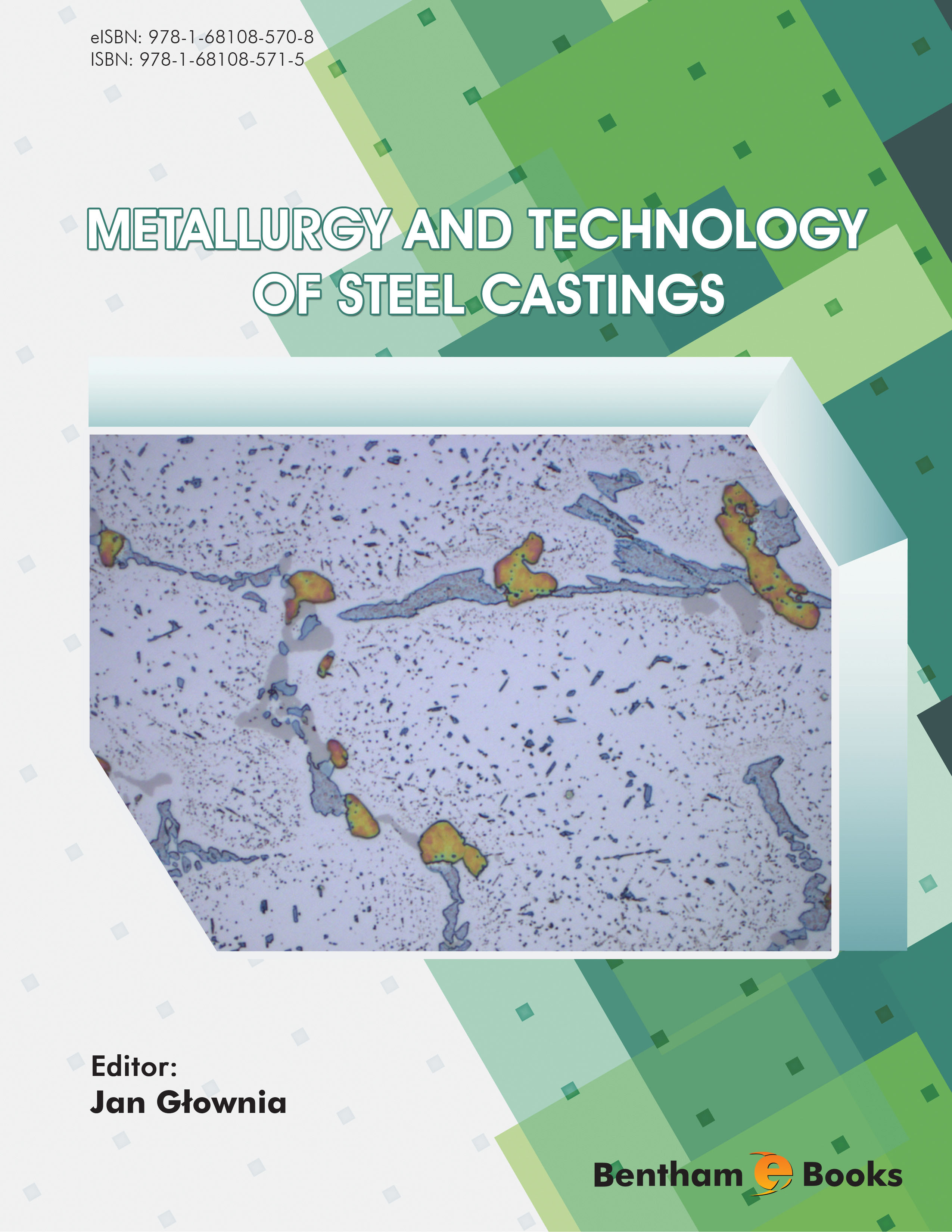
Metallurgy and Technology of Steel Castings
More LessMetallurgy and Technology of Steel Castings is a comprehensive textbook for students and professional engineers in the field of foundry engineering and materials science. The topics covered in this book explain the association between the quality of liquid metal and the properties of the finished cast. Readers will learn about the thermodynamic conditions for addition and recovery of chemical elements (such as Cr, Ni and Mo) in steel, degasifying processes, the influence of alloying additives for manufacturing steel castings that operate in extreme temperatures, anti-corrosive steels and basic cast conditions for making the castings (pouring and heat treatment systems).
Metallurgy and Technology of Steel Castings gives readers essential information about steel and steel cast manufacturing processes and equips them with the knowledge to overcome the challenges faced in the foundry environment.
-
-
-
Methods For Preclinical Evaluation of Bioactive Natural Products
More LessNatural products have dominated our lives since ancient times. Today, they are an inexhaustible source of new medications for disease treatment. The practice of evaluating bioactive compounds extracted from natural sources has also advanced significantly, prompting a need to understand current methods to identify and evaluate them. This book covers basic scientific aspects of preclinical research on natural products for specific conditions and diseases. These include aging, gynecological disorders, inflammatory disorders, renal disorders and cardiovascular disorders. Each of the 10 book chapters give a structured overview on preclinical methods on the etiology of diseases, natural products as the materials for the bioassays, extract types, concentration of the extracts/compounds for in vitro and in vivo assays, preparation of the test materials, application of the test materials, step-by-step methods and related calculations. The book is intended as a quick reference for natural product researchers, pharmacists and postgraduate students in pharmacognosy. Medical doctors working in preclinical research on natural products will also benefit from the information provided.
-
-
-
Methods and Techniques in Nematology
More LessMethods and Techniques in Nematology discovers the intricate world of nematodes, a comprehensive guide essential for researchers, academics, and enthusiasts alike. This book addresses the methods crucial for studying these unsegmented roundworms, covering everything from sampling techniques to advanced molecular diagnostics and biodiversity analysis.
Key Features:
- Detailed sampling methods for diverse habitats.
- Extraction procedures for soil, root, and entomopathogenic nematodes.
- Microscopic observation techniques including SEM and DIC.
- Molecular diagnostic tools such as PCR and RFLP.
- Introduction to bioinformatics for nematology.
- Comprehensive biodiversity analysis, both conventional and molecular.
- Culturing and greenhouse studies for experimental purposes.
-
-
-

Methods to Determine Enzymatic Activity
More LessMethods to Determine Enzymatic Activity is a textbook about industrial enzymes. The book features definitions, classifications and applications of selected enzymes important in industry and in biotechnological processes. Analytical methods for these enzymes are also included in the text. The main objective of this textbook is to provide readers information focused on the current analysis methods of enzymatic activity at qualitative and quantitative levels. Each chapter is about one specific enzyme and contains information about its substrate and some biochemical properties. The methodologies are presented as an experimental protocol allowing interested readers to reproduce the experimental methods detailed within the textbook. These protocols contain the principle of the technique, materials, methods, and all steps necessary for the determination of enzyme activity and interpretation of results. Each methodology is illustrated with photos and schemes for a better and clear understanding. This book, therefore, uniquely brings modern analysis techniques of industrial enzymes in a single easy to understand volume. This textbook is suitable for undergraduate enzymology courses and advanced industrial biotechnology and microbiology courses.
-
-
-

Micro and Nanomachining Technology-Size, Model and Complex Mechanism
More LessRecent advances in science and technology such as online monitoring techniques, coupling of various processing methods, surface characterization and measurement techniques have greatly promoted the development of ultraprecise machining technology. This precision now falls into the micrometer and nanometer range - hence the name micro & nanomachining technology (MNT).
Machining is a complex phenomenon associated with a variety of different mechanical, physical, and chemical processes.
Common principles defining control mechanisms such as O Jamie de geometry, Newton mechanics, Macroscopic Thermodynamics and Electromagnetics are not applicable to phenomena occurring at the nanometer scale whereas quantum effects, wave characteristics and the microscopic fluctuation become the dominant factors. A remarkable enhancement in computational capability through advanced computer hardware and high performance computation techniques (parallel computation) has enabled researchers to employ large scale parallel numerical simulations to investigate micro & nanomachining technologies and gain insights into related processes.
Micro and Nanomachining Technology - Size, Model and Complex Mechanism introduces readers to the basics of micro & nanomachining (MNT) technology and covers some of the above techniques including molecular dynamics and finite element simulations, as well as complexity property and multiscale MNT methods.
This book meets the growing need of Masters students or Ph.D. students studying nanotechnology, mechanical engineering or materials engineering, allowing them to understand the design and process issues associated with precision machine tools and the fabrication of precision components.
-
-
-
Micro and Nanosystems
More LessScience and technology on micro and nanoscales have been attracting great attention globally. Micro and Nanosystems provides a very fast and best forum for experimental and theoretical studies of fundamental and interdisciplinary research on micro and nanoscales. The emphasis is put on applications of micro and nanosystems to various different disciplines such as tissue engineering, medicine, energy, environment, food, and security. The topics on nanoimprint lithography, nano-reactor, molecular device, microfluidics, and MEMS are strongly welcome.
Micro and Nanosystems especially emphasizes on industrial and scalable methods for producing micro and nano scale materials and devices, pushing the technology from science to engineering.
Micro and Nanosystems is an international, peer-reviewed journal on all aspects of micro and nanosystems, published quarterly (print & online) by Bentham Science Publishers.
-
-
-
MicroRNA
More LessMicroRNA publishes letters, full-length/ mini reviews, research articles, drug clinical trial studies and thematic issues on all aspects of microRNA (miRNA) research. The scope of the journal covers all experimental miRNA research and applied research in health and disease, including therapeutic, biomarkers, and diagnostic applications of MiRNA.
MicroRNA is an international, peer-reviewed journal on all aspects of microRNA, published tri-annually (print & online) by Bentham Science Publishers.
-
-
-
MicroRNAs and Cardiovascular Disease
More LessMicro RNAs (miRNAs) are known to play an important role in gene expression regulation. Owing to their ever-increasing implications in the control of various biological and pathological processes, miRNAs have now been considered novel biomarkers of various human diseases including, cancer, viral disease, cardiovascular disorders, metabolic disturbances, etc. Unique expression profiles have been associated with specific pathological states.
Cardiovascular disease is among the main causes of mortality in developed countries. The pathological process of the heart is associated with altered expression profile of genes that are important for cardiac function. The implications of miRNAs in the pathological process of the cardiovascular system have recently been recognized, and the research on miRNAs in relation to cardiovascular disease is now in rapid progress. The aim of this ebook is to present updated research on the subject with analyses from published reports. Micro RNAs and Cardiovascular Disease caters to the growing interest and information needs of cardiac clinicians and gene expression researchers.
-
-
-
Microalgae as a Source of Bioenergy: Products, Processes and Economics
Recent Advances in Renewable Energy: Volume 1
More LessMicroalgae could play an important role in the achievement of sustainability goals related to the generation of renewable energy and greenhouse gas (GHG) emissions. These photosynthetic microorganisms are able to capture CO2 and, therefore, can be used to produce biofuels such as ethanol, methane and green diesel. Other factors, such as their high growth rate, ability to use wastewater as a culture medium and the ability to grow on non-arable land makes them a potentially economical source of biofuel production on a large scale.
This monograph introduces the reader to the basic and applied science of microalgal biofuel production. Chapters in the volume give information about bioethanol and biogas production from microalgal sources, the fermentation process, optimization of culture parameters and industrial applications of biomass projects.
The book is a useful reference for biotechnology and environmental science graduates and professionals interested in biofuel production.
-
-
-
Microbes as Agents of Change for Sustainable Development
Microbes and Microbiomes for Clean and Green Environment: Volume 2
More LessMicrobes as Agents of Change for Sustainable Development explores the pivotal role of microbes and microbiomes in restoring degraded ecosystems and advancing sustainable practices. This comprehensive resource bridges cutting-edge research and practical solutions, emphasizing microbial applications in ecosystem restoration, renewable energy, waste management, agriculture, and climate change mitigation.
The book, which spans 22 chapters, provides insights into topics like nutrient cycling, bioremediation, biofertilizers, and microbial genomics. It also highlights innovative approaches, such as microbial fuel cells, pollution monitoring with biosensors, and the role of microbes in GHG emission mitigation.
Key Features:
- Explores the UN Decade on Ecosystem Restoration and the socio-economic benefits of microbes.
- Discusses microbial roles in polluted ecosystem restoration and renewable energy production.
- Highlights microbes` contribution to sustainable agriculture, waste management, and climate action.
-
-
-
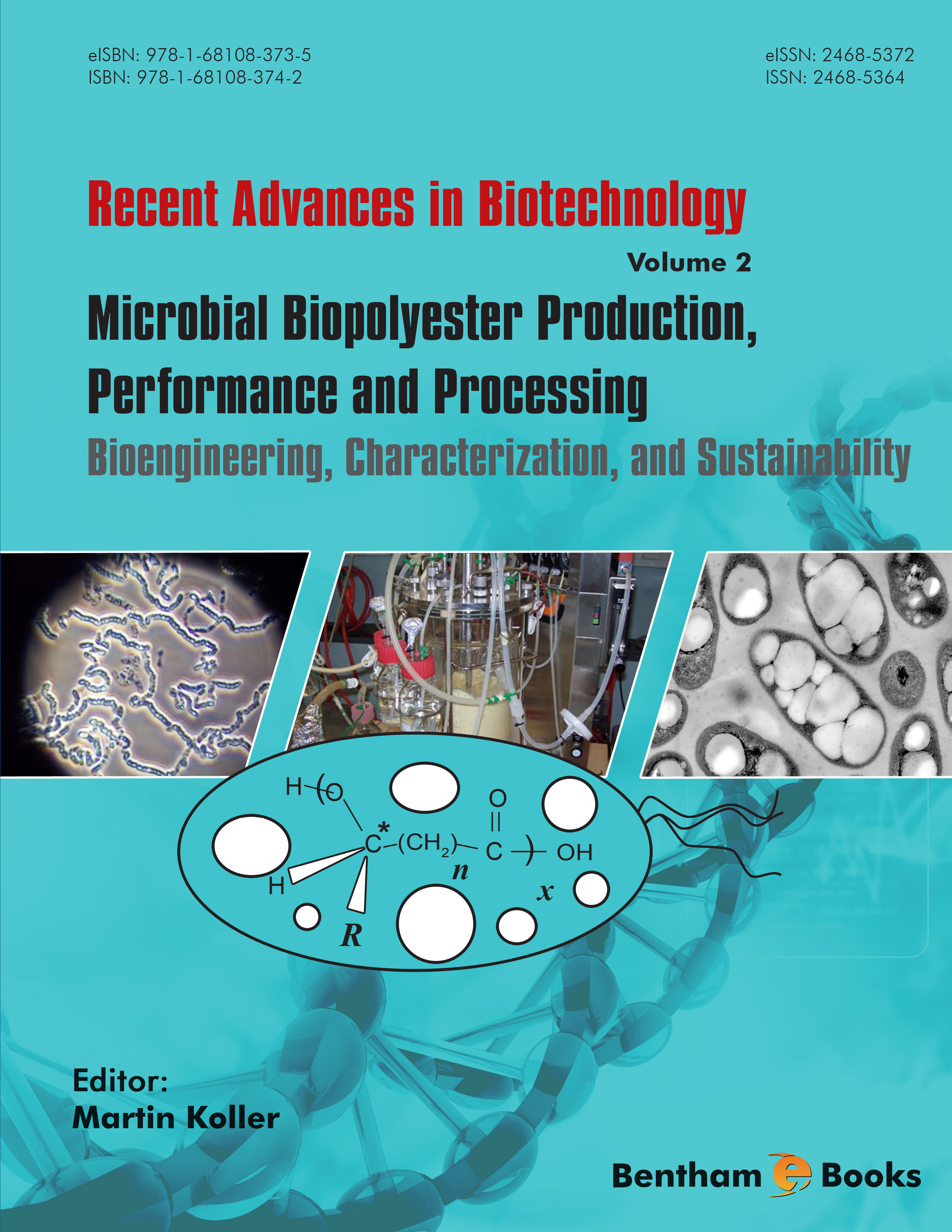
Microbial Biopolyester Production, Performance and Processing Bioengineering, Characterization, and Sustainability
Recent Advances in Biotechnology: Volume 2
More LessGlobal plastic production is estimated to be over 300Mt annually. Most conventional plastics are predominantly produced from fossil fuels and are highly resistant to biodegradation, and only a small share of about 20% of spent plastics is believed to be recycled, which is a cause for environmental concern. Biodegradable plastics would solve this concern as they are a sustainable alternative, yet these do not even cover 5% of the global plastic market.
Microbial polyhydroxyalkanoates (PHAs) are a versatile group of polyesters produced by nature as prokaryotic storage materials. PHAs can be produced through sustainable bioprocess engineering and have displayed remarkable flexibility in their physical and chemical properties. PHAs are the subject of several scientific papers and numerous PHA patents have also been filed, generating significant interest in the plastic production industry.
To develop overall sustainable and efficient production processes, all bioprocess steps need to be thoroughly understood and accounted for. These processes start with the selection of suitable inexpensive raw materials (microbes and enzymes), optimizing the process engineering and process regime, and conclude with the enhancement of product recovery in terms of time, energy, and material input.
Microbial Biopolyester Production, Performance and Processing: Bioengineering, Characterization, and Sustainability is a compilation of eight chapters covering bacterial polyesters, green plastics and PHAs from various angles. The contents of this volume focus on sustainable practices focus on the sustainability of processes that involve the synthesis and recycling of these meterials. The volume is a useful resource for bioprocess engineers, microbiologists, biotechnologists and chemical engineers interested in the basics of biodegradable plastic production.
-
-
-
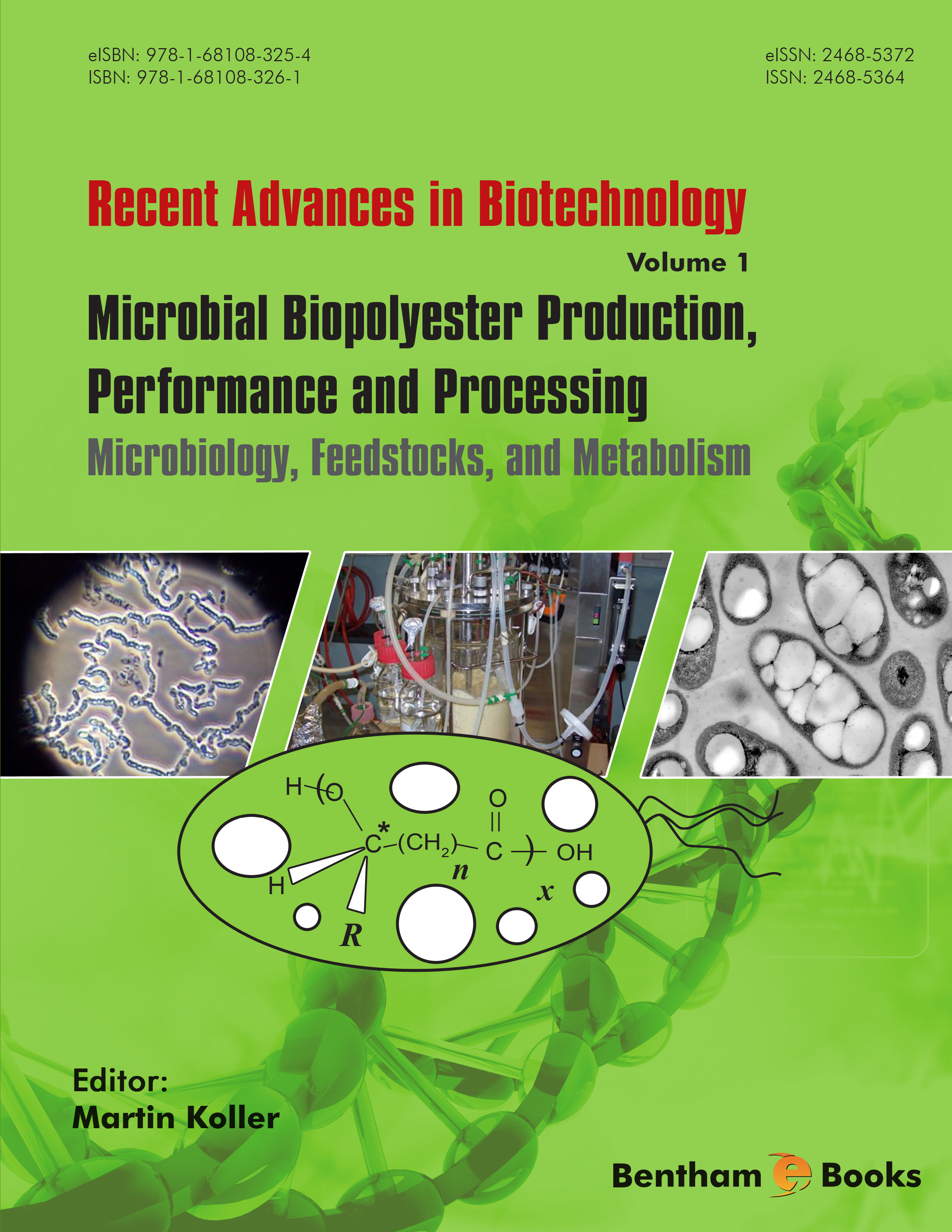
Microbial Biopolyester Production, Performance and Processing Microbiology, Feedstocks, and Metabolism
Recent Advances in Biotechnology: Volume 1
More LessGlobal plastic production is estimated to be over 300Mt annually. Most conventional plastics are predominantly produced from fossil fuels and are highly resistant to biodegradation, and only a small share of about 20% of spent plastics is believed to be recycled, which is a cause for environmental concern. Biodegradable plastics would solve this concern as they are a sustainable alternative, yet these do not even cover 5% of the global plastic market.
Microbial polyhydroxyalkanoates (PHAs) are a versatile group of polyesters produced by nature as prokaryotic storage materials. PHAs can be produced through sustainable bioprocess engineering and have displayed remarkable flexibility in their physical and chemical properties. PHAs are the subject of several scientific papers and numerous PHA patents have also been filed, generating significant interest in the plastic production industry.
To develop overall sustainable and efficient production processes, all bioprocess steps need to be thoroughly understood and accounted for. These processes start with the selection of suitable inexpensive raw materials (microbes and enzymes), optimizing the process engineering and process regime, and conclude with the enhancement of product recovery in terms of time, energy, and material input.
Microbial Biopolyester Production, Performance and Processing: Microbiology, Feedstocks, and Metabolism encompasses eight chapters that cover aspects of the microbiology and biotechnology of producing biodegradable plastics. The contents focus on the selection of powerful archaeal and eubacterial production strains, genetic engineering as a tool for optimized PHA production and inexpensive carbon sources for microbial cultures. The volume is a useful resource for bioprocess engineers, microbiologists, biotechnologists and chemical engineers interested in the basics of biodegradable plastic production.
Recent Advances in Biotechnology is a book series comprising of peer-reviewed reference works and monographs that compile the latest developments in the field of biotechnology. Each volume has a thematic focus and features topical reviews written by experts. The series will highlight multidisciplinary perspectives to interested readers (biotechnologists, microbiologists, bioprocess engineers, agronomists, medical professionals, sustainability researchers etc.)
-
-
-
Microbial Insights into Wastewater Treatment and Environmental Sustainability
More LessMicrobial Insights into Wastewater Treatment and Environmental Sustainability examines the way microorganisms are reshaping the way we tackle environmental challenges, offering practical and science-driven strategies for wastewater remediation, pollution control, and resource recovery. Integrating microbiology, environmental science, and biotechnology, this volume reveals how microbial processes underpin sustainable solutions for ecosystem restoration and global environmental health.
The book begins with foundational concepts, such as the microbial ecology of polluted sites and mechanisms of pollutant sequestration, to specialized topics including arsenic bioremediation, microbe-driven green nanotechnology, and biocontrol innovations. It further investigates plant-microbe partnerships that enhance environmental resilience, and explores cutting-edge molecular and biosensing techniques for real-time environmental monitoring. Case studies highlight the transition from laboratory research to field-scale applications, while forward-looking sections consider microbial nanotechnology for sustainable energy generation and microbial strategies for waste valorization.
Key Features:
Explains microbial roles in pollution mitigation and environmental recovery
Demonstrates sequestration, bioremediation, and nanotechnology-based microbial innovations
Integrates molecular tools and biosensors for environmental health assessment
Applies microbial strategies to wastewater treatment, energy production, and waste management
Highlights real-world case studies linking theory to practice
Incorporates multidisciplinary insights from global research contributors
Advances sustainable development through microbial resource recovery.
-
-
-
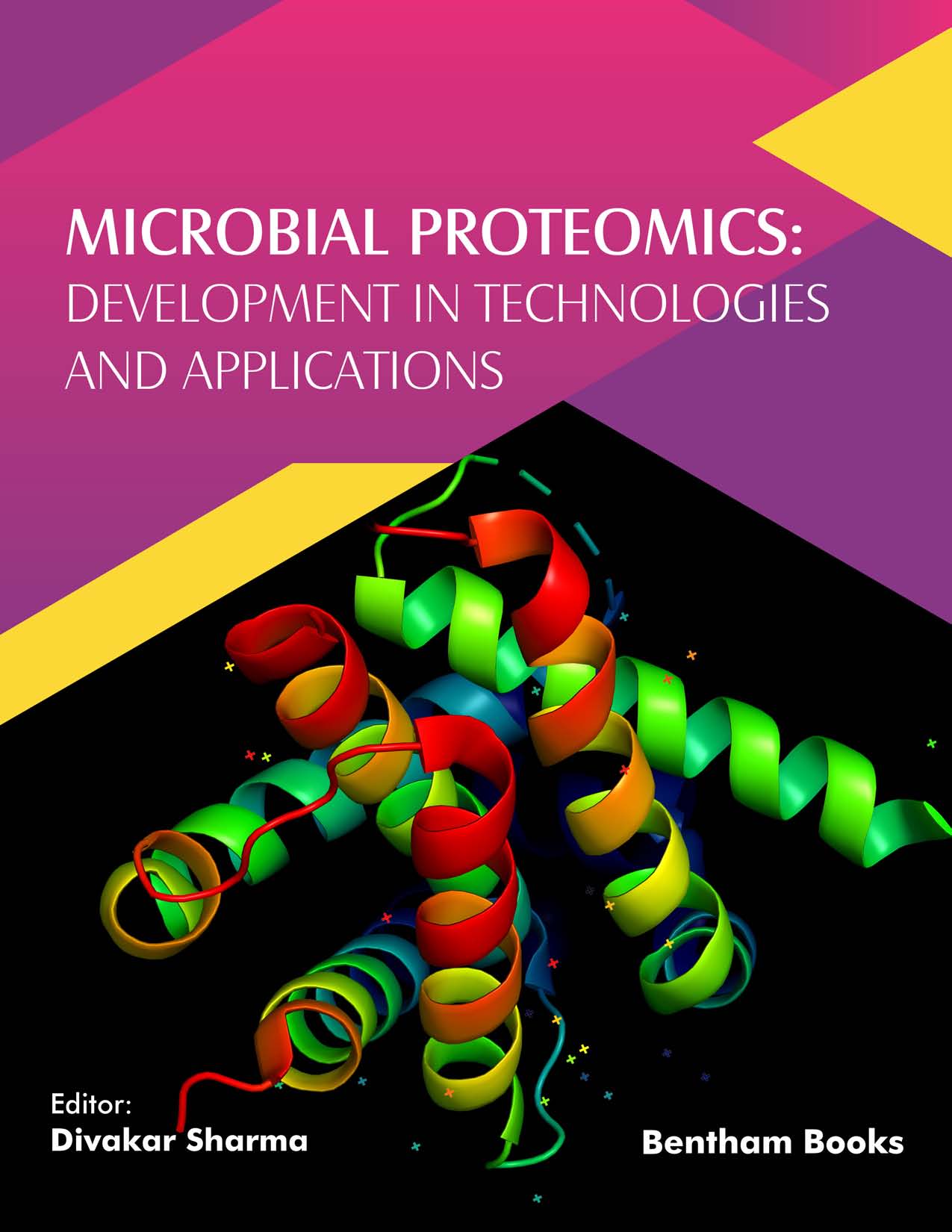
Microbial Proteomics: Development in Technologies and Applications
Current and Future Developments in Proteomics: Volume 1
More LessThis volume brings current knowledge of proteomics technologies and related developments with special reference to diseases caused by microbes. The editor has compiled chapters written by expert academicians which distill the information about useful methods in microbial proteomics for the benefit of readers. Chapters cover several methods used to investigate the microbial proteome and special topics such as antimicrobial drug resistance mechanisms, biomarker developments, post translational modifications.
Key Features:
-overview of several biochemical methods in proteomics
-full-color, high quality images of the most frequent technologies and applications
-concise, well organized, and didactic format
-updates in basic applied information
-bibliographic references
-information on proteomics for tuberculosis treatment
This reference work is intended for researchers seeking information on laboratory techniques applied in proteomics research and microbiology.
-
-
-
Microbiology for ICAR NET: A Comprehensive Exam Preparation Guide
More LessMicrobiology for ICAR NET: A Comprehensive Exam Preparation Guide is a valuable resource tailored for students preparing for the ICAR NET exam in Microbiology. This guide offers an in-depth overview of key microbiological topics, including microbial physiology, soil microbiology, environmental microbiology, and microbial biotechnology. Organized into eight comprehensive chapters, the book covers foundational concepts such as the scope of microbiology, prokaryotes, and microscopy, while aligning closely with the ICAR NET syllabus.
Ideal for ICAR NET aspirants, this guide also serves as a solid review tool for microbiology students, researchers, and professionals.
Key Features:
- Includes multiple-choice, true/false, and fill-in-the-blank questions for active learning.
- Detailed answer key for self-assessment and concept reinforcement.
- Comprehensive coverage of topics essential for ICAR NET Microbiology exam preparation.
- Covers a wide range of microbiology topics.
-
-
-
Microcirculation and Insulin Resistance
More LessInsulin resistance is the main factor involved in the occurrence of the metabolic syndrome and later development of type2 diabetes. Despite decades of research on hormone's target tissues and the identification of most diverse candidates, the factors responsible for insulin resistance are still largely undefined. There is also a large discrepancy between in vitro and in vivo insulin sensitivity. Finally it is increasingly demonstrated that insulin resistance is found very early in life, long before metabolic syndrome is established. In search for commonalities, this book deals therefore with a new hypothesis considering microcirculation as one prime, possibly causal effector of insulin resistance. To present this novel hypothesis, the specificities of microvascular physiological mechanisms and the limits of interpretations of data according to the measurement techniques used are first thoroughly described. Several chapters deal with experimental and clinical investigations showing the involvement of microcirculation in insulin resistance. This book provides sound support for microcirculation being linked to insulin resistance at least in a bidirectional way. Supportive evidence suggests that microvascular dysfunction may lie upstream of insulin resistance in many of them. While this is still a hypothesis, the authors believe that there is enough data supporting it and hope that this book will stimulate researchers to provide the necessary final proofs.
-
-
-
Micronutrient Deficiency in Soils and Plants
More LessMicronutrient Deficiency in Soils and Plants highlights the problems caused by micronutrient deficiencies in vegetative production. This eBook emphasizes on the necessary requirements for plant growth micronutrients, the vital deficiency symptoms of micronutrients and their crucial role in plant metabolism.
The scope of this eBook covers a range of topics including micronutrient deficiency, the availability of micronutrient in soils, plant metabolism and micronutrient solubility.
The contents of this eBook include chapters on micronutrient solubility and availability in soils, the role of micronutrients in plant metabolism and growth and diagnostic tools to assess deficiencies of iron, zinc, copper and other micro-nutrients.
Micronutrient Deficiency in Soils and Plants is a valuable resource for MSc and PhD students, academic personnel and researchers seeking updated and critically important information on major nutritional problems in agricultural soils and crops.
-
-
-
Micronutrients: The Key to Good Health
More LessMicronutrients, which comprise minerals and vitamins, are essential for a variety of biological processes such as growth, immune response, regulation of gene expression and cognitive functions. Micronutrients: The Key to Good Health presents key information about the causes, signs and symptoms of micronutrient deficiencies along with remedial dietary measures. The book also provides authentic knowledge of the nature, structure and metabolic functions of vitamins and essential minerals in a reader-friendly manner. The aim of the book is to provide comprehensive knowledge about micronutrients and their role in a balanced diet for maintaining personal health.
Key features:
- Covers the basics of nutrition and the importance of micronutrients in health over 5 reader-friendly chapters
- Covers metabolic functions of micronutrients - Covers the development of micronutrient rich food products
- Includes information about micronutrient deficiencies with remedial dietary measures in terms of ready-to-eat food supplements in a precise manner
- Includes information about phytochemical nutrients, prebiotics and postbiotics
- Informs the reader about myths on micronutrients
- Includes several informative illustrations, tables and appendices on daily nutrient requirements, diet assessment and composition and much more,
This book serves as a ready reference for the health science students, public health workers, nutrition professionals, and health-conscious readers.
-
-
-

Microplastic Pollution: Causes, Effects and Control
More LessMicroplastic Pollution: Causes, Effects, and Control sheds light on the causes, effects, and control of microplastic pollution, providing valuable insights into the tools and techniques for analysis, the impact on ecosystems, and the potential risks to human well-being. The editors focus on the urgency of addressing this global environmental challenge through collaborative efforts and sustainable solutions. This reference features 10 edited chapters covering multiple aspects of microplastic pollution. The book introduces the reader to various tools and techniques used to analyze microplastic pollution in both aquatic and terrestrial ecosystems. It then examines the sources, pathways, and levels of microplastic contamination in the environment and explains how to evaluate the potential health risks for the nearby communities. The impact of microplastic on flora and fauna is presented in one chapter. To emphasize the importance of assessing microplastic contamination, the editors present a case study conducted in Thoothukudi, South India, to explore the implications of microplastic pollution on human health. The book also provides information on solutions to microplastic pollution including the use of bioplastics and removal techniques. Microplastic Pollution: Causes, Effects, and Control equips readers with a complete understanding of the global challenge of microplastics, fostering awareness and encouraging further research and action to protect our ecosystems and human health from their detrimental impact. It is an ideal handbook for environmental science researchers and students who need to understand microplastic pollution and plan environmental impact assessments for academic research and professional projects.
Key Features
- Comprehensive coverage of microplastic pollution with 10 structured chapters
- Informs readers about important parameters to understand and measure the impact of microplastics on local fauna, flora and the surrounding environment
- Covers evaluation and remediation of microplastics in both terrestrial and marine environments
- Includes references for advanced readers
- Includes a case study on the effect of microplastics in Thoothukudi, South India
-
-
-
Micropropagation of Medicinal Plants
More LessThis volume presents information about protocols for micropropagation of more than 40 species of medicinal plants. The contents combine knowledge about the scientific principles of micropropagation with state of the art updates in tissue culture techniques presented by plant scientists.
The readers will learn about techniques required to grow plants in challenging conditions that aim to reduce the impacts of injudicious harvesting, deforestation, climate change, pollution, urbanization and other factors that limit the ability to meet current demand. General topics such as biotization and pharmaceutical investigation are also included to guide readers about the significance of these plants in research and development for new medicines.
The book provides protocols for micropropagation of important medicinal plants like Rauvolfia serpentina, Catharanthus roseus, Withania somnifera, Tylophora indica, Bacopa monnieri, Aloe vera, Phyllanthus amarus, Allium sativum, Moringa oleifera, Operculina turpethum, Glycyrrhiza glabra, Pterocarpus marsupium, Vetiver grass, Ruta graveolens, Tinospora cordifolia, Kaempferia, Hedychium, Decalepis hamiltonii, Saraca asoca, Wrightia tinctoria, Wrightia arborea, Artemisia absinthium, Aegle marmelos, Atropa acuminata, Atropa belladonna, Alpinia species, Hedychium species, and Cissus species.
This book is a handy reference for medicinal chemists, horticulturists and pharmacists who want to learn about the growth and conservation of important medicinal herbs and plants.
-
