


Bentham Science Publishers
Bentham Science Publishers is a major publisher of more than 100 peer-reviewed science, technology and medical (STM) journals, along with a rapidly growing collection of eBooks. Since 1993, Bentham Science Publishers has been catering to the information needs of the pharmaceutical, engineering, biomedical and medical research community.901 - 950 of 1969 results
-
-
Frontiers in Drug Design and Discovery: Volume 8
More LessFrontiers in Drug Design and Discovery is a book series devoted to publishing the latest and the most important advances in drug design and discovery. Eminent scientists have contributed chapters focused on all areas of rational drug design and drug discovery including medicinal chemistry, in-silico drug design, combinatorial chemistry, high-throughput screening, drug targets, and structure-activity relationships. This book series should prove to be of interest to all pharmaceutical scientists who are involved in research in drug design and discovery and who wish to keep abreast of rapid and important developments in the field.
-
-
-
Frontiers in Drug Design and Discovery: Volume 9
More LessFrontiers in Drug Design and Discovery Volume 9 is a book series devoted to publishing the latest and the most important advances in drug design and discovery. Eminent scientists have contributed chapters focused on all areas of rational drug design and drug discovery including medicinal chemistry, in-silico drug design, combinatorial chemistry, high-throughput screening, drug targets, and structure-activity relationships. This book series should prove to be of interest to all pharmaceutical scientists who are involved in research in drug design and discovery and who wish to keep abreast of rapid and important developments in the field.
The ninth volume of this series brings together reviews covering topics related to the treatment of neoplasms, systems biology, respiratory diseases among others.
Topics included in this volume are:
-Prognostic biomarkers in prostate cancer
-Chemoresistance in cancer cells
-GPCRS in systems and synthetic biology
-Mechanisms of action of ribavirin in different diseases
-Carbon nanotubes and drug targets
-The role of phosphatase I inhibitors in Minkowski spaces
-Phosphodiesterase targeting for treating respiratory diseases
-
-
-

Frontiers in Fractional Calculus
Current Developments in Mathematical Sciences: Volume 1
More LessThis book brings together eleven topics on different aspects of fractional calculus in a single volume. It provides readers the basic knowledge of fractional calculus and introduces advanced topics and applications. The information in the book is presented in four parts:
1. Fractional Diffusion Equations: (i) solutions of fractional diffusion equations using wavelet methods, (ii) the maximum principle for time fractional diffusion equations, (iii) nonlinear sub-diffusion equations.
2. Mathematical Analysis: (i) shifted Jacobi polynomials for solving and identifying coupled fractional delay differential equations, (ii) the monotone iteration principle in the theory of Hadamard fractional delay differential equations, (iii) dynamics of fractional order modified Bhalekar-Gejji System, (iv) Grunwald-Letnikov derivatives.
3. Computational Techniques: GPU computing of special mathematical functions used in fractional calculus.
4. Reviews: (i) the popular iterative method NIM, (ii) fractional derivative with non-singular kernels, (iii) some open problems in fractional order nonlinear system
This is a useful reference for researchers and graduate level mathematics students seeking knowledge about of fractional calculus and applied mathematics.
-
-
-
Frontiers in Lung Cancer
Perspectives in Lung Cancer: Volume 1
More LessPerspectives in Lung Cancer compiles basic and advanced topics on lung cancer pathology and treatment in a single volume. Chapters introduce the reader to chest and lung anatomy followed by the biology of lung cancer. Subsequent chapters delve into diagnostic methods for lung cancer while progressing into treatment options. The book culminates into an explanation of the concept of the Lung Cancer Centre, which is a representation of the editors' vision for organizing a lung cancer treatment unit.
Key features:
*Organises key topics covering both standard and avante-garde topics related to lung cancer
*All contributions are presented by experts in lung cancer treatment
*Addresses basic biology of lung cancer
*Provides information about 3D surgical planning, a relatively new concept in the field of thoracic surgery
*Addresses the standard method of resection, VATS and Mini VATS
*Covers the role of radiation and systemic anti-cancer therapies in lung cancer treatment
*Provides a glimpse of modern methods such as image guided surgery and therapy, laser therapy, and photodynamic therapy
*Covers the role of palliative care for lung cancer
*Presents information about a visionary organization of a lung cancer unit and treatment centre.
The combination of carefully organised chapters covering a wide array of topics makes this reference an essential reference for healthcare professionals interested in acquiring a broad perspective on lung cancer treatment with the goal of improving patient outcomes.
-
-
-
Frontiers in Medicinal Chemistry: Volume 1
More LessFrontiers in Medicinal Chemistry is a book series devoted to the review of areas of important topical interest to medicinal chemists and others in allied disciplines. Frontiers in Medicinal Chemistry covers all the areas of medicinal chemistry, including developments in rational drug design, bioorganic chemistry, high-throughput screening, combinatorial chemistry, compound diversity measurements, drug absorption, drug distribution, metabolism, new and emerging drug targets, natural products, pharmacogenomics, chemoinformatics, and structure-activity relationships.
Medicinal chemistry as a discipline is rapidly maturing. The study of how structure and function are related is absolutely essential to understanding the molecular basis of life. Frontiers in Medicinal Chemistry aims to contribute in a major way to the growth of scientific knowledge and insight, and facilitate the discovery and development of new therapeutic agents to treat debilitating human disorders. This book series is essential for any medicinal chemist who wishes to be kept informed and up-to-date with the latest and the most important advances.
-
-
-
Frontiers in Medicinal Chemistry: Volume 10
More LessFrontiers in Medicinal Chemistry is a book series devoted to reviews on research topics relevant to medicinal chemistry and allied disciplines. Frontiers in Medicinal Chemistry covers developments in rational drug design, bioorganic chemistry, high-throughput screening, combinatorial chemistry, compound diversity measurements, drug absorption, drug distribution, metabolism, new and emerging drug targets, natural products, pharmacogenomics, chemoinformatics, and structure-activity relationships. This book series is essential for any medicinal chemist who wishes to be updated on the latest and the most important advances in the field.
This is the tenth volume of the series. The extensive volume brings 11 reviews on a variety of topics including anti-cancer drug therapeutics, food chemistry, toxicology and drug development strategies.
The list of topics in this volume includes:
Isoxazole derivatives as potential pharmacophore for new drug development
Contemporary trends in drug repurposing: identifying new targets for existing drugs
Pharmaceutical potential of pyrimidines as antiviral agents
Drugs and phytochemicals targeting cancer
Harnessing the neurological properties of indian brain health booster brahmi Carcinogenicity of hexavalent chromium and its effects
Medicinal plants: a future of modern medical system
Shikonin, a naphthaquinone of commercial importance: its biosynthesis and prospect for use as drugs Fast foods: chemical composition and implications for health Implications of DNA-acting agents as anticarcinogenic potential in breast cancer therapeutics
Aloe vera - a medicinal plant as potential therapeutic agents for liver cancer
-
-
-
Frontiers in Medicinal Chemistry: Volume 2
More LessFrontiers in Medicinal Chemistry is a book series devoted to the review of areas of important topical interest to medicinal chemists and others in allied disciplines. Frontiers in Medicinal Chemistry covers all the areas of medicinal chemistry, including developments in rational drug design, bioorganic chemistry, high-throughput screening, combinatorial chemistry, compound diversity measurements, drug absorption, drug distribution, metabolism, new and emerging drug targets, natural products, pharmacogenomics, chemoinformatics, and structure-activity relationships.
Medicinal chemistry as a discipline is rapidly maturing. The study of how structure and function are related is absolutely essential to understanding the molecular basis of life. Frontiers in Medicinal Chemistry aims to contribute in a major way to the growth of scientific knowledge and insight, and facilitate the discovery and development of new therapeutic agents to treat debilitating human disorders. This book series is essential for any medicinal chemist who wishes to be kept informed and up-to-date with the latest and the most important advances.
-
-
-
Frontiers in Medicinal Chemistry: Volume 3
More LessFrontiers in Medicinal Chemistry is a book series devoted to the review of areas of important topical interest to medicinal chemists and others in allied disciplines. Frontiers in Medicinal Chemistry covers all the areas of medicinal chemistry, including developments in rational drug design, bioorganic chemistry, high-throughput screening, combinatorial chemistry, compound diversity measurements, drug absorption, drug distribution, metabolism, new and emerging drug targets, natural products, pharmacogenomics, chemoinformatics, and structure-activity relationships.
Medicinal chemistry as a discipline is rapidly maturing. The study of how structure and function are related is absolutely essential to understanding the molecular basis of life. Frontiers in Medicinal Chemistry aims to contribute in a major way to the growth of scientific knowledge and insight, and facilitate the discovery and development of new therapeutic agents to treat debilitating human disorders. This book series is essential for any medicinal chemist who wishes to be kept informed and up-to-date with the latest and the most important advances.
-
-
-
Frontiers in Medicinal Chemistry: Volume 4
More Less"Frontiers in Medicinal Chemistry" is an Ebook series devoted to the review of areas of important topical interest to medicinal chemists and others in allied disciplines. "Frontiers in Medicinal Chemistry" covers all the areas of medicinal chemistry, including developments in rational drug design, bioorganic chemistry, high-throughput screening, combinatorial chemistry, compound diversity measurements, drug absorption, drug distribution, metabolism, new and emerging drug targets, natural products, pharmacogenomics, chemoinformatics, and structure-activity relationships. Medicinal chemistry as a discipline is rapidly maturing. The study of how structure and function are related is absolutely essential to understanding the molecular basis of life. "Frontiers in Medicinal Chemistry" aims to contribute in a major way to the growth of scientific knowledge and insight, and facilitate the discovery and development of new therapeutic agents to treat debilitating human disorders. This Ebook series is essential for any medicinal chemist who wishes to be kept informed and up-to-date with the latest and the most important advances.
-
-
-
Frontiers in Medicinal Chemistry: Volume 5
More Less"Frontiers in Medicinal Chemistry" is an Ebook series devoted to the review of areas of important topical interest to medicinal chemists and others in allied disciplines. "Frontiers in Medicinal Chemistry" covers all the areas of medicinal chemistry, including developments in rational drug design, bioorganic chemistry, high-throughput screening, combinatorial chemistry, compound diversity measurements, drug absorption, drug distribution, metabolism, new and emerging drug targets, natural products, pharmacogenomics, chemoinformatics, and structure-activity relationships.
Medicinal chemistry as a discipline is rapidly maturing. The study of how structure and function are related is absolutely essential to understanding the molecular basis of life. "Frontiers in Medicinal Chemistry" aims to contribute in a major way to the growth of scientific knowledge and insight, and facilitate the discovery and development of new therapeutic agents to treat debilitating human disorders. This Ebook series is essential for any medicinal chemist who wishes to be kept informed and up-to-date with the latest and the most important advances.
-
-
-

Frontiers in Medicinal Chemistry: Volume 6
More Less"Frontiers in Medicinal Chemistry" is an Ebook series devoted to the review of areas of important topical interest to medicinal chemists and others in allied disciplines. "Frontiers in Medicinal Chemistry" covers all the areas of medicinal chemistry, including developments in rational drug design, bioorganic chemistry, high-throughput screening, combinatorial chemistry, compound diversity measurements, drug absorption, drug distribution, metabolism, new and emerging drug targets, natural products, pharmacogenomics, chemoinformatics, and structure-activity relationships.
Medicinal chemistry as a discipline is rapidly maturing. The study of how structure and function are related is absolutely essential to understanding the molecular basis of life. "Frontiers in Medicinal Chemistry" aims to contribute in a major way to the growth of scientific knowledge and insight, and facilitate the discovery and development of new therapeutic agents to treat debilitating human disorders. This Ebook series is essential for any medicinal chemist who wishes to be kept informed and up-to-date with the latest and the most important advances.
-
-
-
Frontiers in Medicinal Chemistry: Volume 7
More Less"Frontiers in Medicinal Chemistry" is an Ebook series devoted to the review of areas of important topical interest to medicinal chemists and others in allied disciplines. "Frontiers in Medicinal Chemistry" covers all the areas of medicinal chemistry, including developments in rational drug design, bioorganic chemistry, high-throughput screening, combinatorial chemistry, compound diversity measurements, drug absorption, drug distribution, metabolism, new and emerging drug targets, natural products, pharmacogenomics, chemoinformatics, and structure-activity relationships. Medicinal chemistry as a discipline is rapidly maturing. The study of how structure and function are related is absolutely essential to understanding the molecular basis of life. "Frontiers in Medicinal Chemistry" aims to contribute in a major way to the growth of scientific knowledge and insight, and facilitate the discovery and development of new therapeutic agents to treat debilitating human disorders. This Ebook series is essential for any medicinal chemist who wishes to be kept informed and up-to-date with the latest and the most important advances.
-
-
-
Frontiers in Medicinal Chemistry: Volume 8
More LessFrontiers in Medicinal Chemistry is an Ebook series devoted to the review of areas of important topical interest to medicinal chemists and others in allied disciplines. Frontiers in Medicinal Chemistry covers all the areas of medicinal chemistry, including developments in rational drug design, bioorganic chemistry, high-throughput screening, combinatorial chemistry, compound diversity measurements, drug absorption, drug distribution, metabolism, new and emerging drug targets, natural products, pharmacogenomics, chemoinformatics, and structure-activity relationships. This Ebook series is essential for any medicinal chemist who wishes to be kept informed and up-to-date with the latest and the most important advances.
This volume features reviews on the following topics:
- ADME optimization and toxicity assessment in drug discovery
- Targeting oxidative stress mechanisms in vascular disease therapy
- Diabetes therapy that targets endothelial function
… and more.
-
-
-
Frontiers in Medicinal Chemistry: Volume 9
More LessFrontiers in Medicinal Chemistry is an E-book series devoted to reviews on research topics relevant to medicinal chemistry and allied disciplines. Frontiers in Medicinal Chemistry covers developments in rational drug design, bioorganic chemistry, high-throughput screening, combinatorial chemistry, compound diversity measurements, drug absorption, drug distribution, metabolism, new and emerging drug targets, natural products, pharmacogenomics, chemoinformatics, and structure-activity relationships. This E-book series is essential for any medicinal chemist who wishes to be updated on the latest and the most important advances in the field.
This volume features reviews on the following topics:
• Purinergic receptors and pain
• Cytochrome c – cardiolipin interactions in cells
• Dipeptidyl peptidase-4 (CD26) functions and inhibition
• Peptides regulating angiogenesis
• Application of melanotropin ligands for the treatment of obesity and related disorders
• Targeted drugs in the field of nanomedicine
-
-
-
Frontiers in Molecular Pharming
Frontiers in Protein and Peptide Sciences: Volume 2
More LessThe advent of large-scale production and clinical trials of drugs developed through diverse production routes - involving viruses, microbes, plants, and animals - has increased the demand for an expanded capacity for pharmaceutical manufacturing. The production and purification of expressed proteins accounts for the bulk of the manufacturing costs for new therapeutics. Several pharmaceutical proteins have been synthesized by exploiting plant genetics allowing producers to override conventional approaches used to manufacture pharmaceuticals. The process of inserting a gene into a host organism for the purpose of harvesting a bioactive molecule for therapeutic use is known as molecular pharming.
Frontiers in Molecular Pharming covers an array of topics relevant to understanding the structure, function, regulation, and mechanisms of action, biochemical significance, and usage of proteins and peptides as biomarkers, therapeutics, and vaccines for animals and humans. The contributions aim to highlight current progress in three areas, including system biology (in vivo characterization of proteins and peptides), molecular pharming for animals and molecular pharming for humans. The book gives special attention to computational biology tools, production platforms and fields (such as immunoinformatics) and applications of molecular pharming (such as veterinary therapeutics). A balance of theoretical concepts and practical applications is provided through 13 chapters.
Frontiers in Molecular Pharming is an invaluable resource for students and researchers of biochemistry, molecular biology, and biotechnology. The book also serves as a springboard for understanding the process of how discoveries in protein and peptide research and its applications are coming to fruition.
-
-
-
Frontiers in Nano and Micro-Device Design for Applied Nanophotonics, Biophotonics and Nanomedicine
More LessThis reference informs readers about nanoscale design and synthesis of different nanomaterials. Chapters of the book account for variable nanoarchitecture, while explaining concepts which are central to the field of nanotechnology. It explains how nanodevices and microdevices can be used for nanophotonics, biophotonics and drug delivery applications. Advanced biochemical techniques ranging from fluorescence, plasmonics, enhanced plasmonics (EP) to metal enhanced fluorescence (MEF) from colloidal dispersion to single luminescent nanoplatforms and nanospectroscopy, microfluidics, nanofluidics, silica wave-guiding, lasers, nanolasers and photonic circuits for enhanced signal detections are also presented. In addition, proof of concept ideas of microdevices and nanodevices to real applications within other allied disciplines such as genomics, biochemistry, drug delivery and clinical chemistry (based on advanced optical detection and imaging) are highlighted. The book is an informative reference for readers studying biochemistry, pharmacology, biomedical engineering and related subjects at all levels, as well as general readers who want to learn about advanced applications in optics and photonics.
-
-
-
Frontiers in Nanobiotechnology
Advances in Biosensing Technology for Medical Diagnosis: Volume 1
More LessBiosensing technology is rapidly flourishing in recent years due to the advancement of bio-MEMS/NEMS. However, the booming development of biosensors has not been very well addressed to the unmet clinical needs. Advances in Biosensing Technology for Medical Diagnosis initiates a headway into the realm of cutting-edge diagnostic tools which are expected to become routine clinical practice. This book aims to broaden the readers' horizon and guide them in tailoring different biosensing techniques for specific diagnostic procedures.
Key Features:
- 12 chapters cover several aspects of biosensing technologies including working principles and clinical validations
- highlights the state-of-the-art biosensing technology developed in all fields
- provides information about specific applications of novel biosensors used in clinical diagnosis,
- provides step-by-step guidance of microfabrication for biosensors
- focuses on bridging the gap between the scientific and the clinical communities
- provides information about the diagnostic applications of biosensors for different diseases (including infectious diseases and neurodegenerative diseases).
- covers Information about unconventional nano/microfluidic biosensor systems
- features contributions from renowned experts in the field of biomedical engineering
Advances in Biosensing Technology for Medical Diagnosis serves as a reference for healthcare providers and biomedical engineers who are interesting in biosensing techniques in medicine. The information provided in this reference will also benefit healthcare policymakers who are interested in new technologies that can impact the delivery of diagnostic services in healthcare systems.
-
-
-
Frontiers in Nanomedicine
Frontiers in Nanomedicine: Volume 1
More LessFrontiers in Nanomedicine offers an up-to-date understanding of nanomaterials to readers having clinical or biomolecular research interests. Scientists, both aspiring and experienced, will find, in each volume, a comprehensive overview of current molecular strategies for using nanoscale materials in medicine. This volume explains the use of nanotechnology in medicine to improve the diagnosis of disease and the role of nanoparticles in targeted drug delivery systems for theranostic applications. This volume also covers the applications of nanoparticles in breast cancer research, liver disease therapy and Alzheimer's disease treatment.
-
-
-
Frontiers in Natural Product Chemistry: Volume 1
More Less"Frontiers in Natural Product Chemistry" is an Ebook series devoted to publishing the latest and most important advances in natural product chemistry. The Ebook series covers all aspects of research in the chemistry and biochemistry of naturally occurring compounds including coverage of work on natural substances of land and sea and of plants, microbes and animals. Discussion of structure elucidation, synthesis and experimental biosynthesis of natural products as well as developments of new methods are included. Chosen eminent scientists write contributions and each volume are devoted to major advances in natural product chemistry. Topics include the isolation, structure, biosynthesis, biological activity, and chemistry of the major groups of natural products such as alkaloids, terpenoids, steroids, aliphatic, aromatic and O-heterocyclic compounds, and other metabolites of plant, marine and microbial origins, developments in enzymology, nucleic acids, genetics, chemical ecology, primary and secondary metabolism, isolation and analytical techniques, and other areas which will be of general interest to all workers in the area. "Frontiers in Natural Product Chemistry" is essential for all scientists involved in natural product chemistry who wish to keep abreast of rapid and important developments in the field.
-
-
-
Frontiers in Natural Product Chemistry: Volume 10
More LessFrontiers in Natural Product Chemistry is a book series devoted to important advances in natural product chemistry. The series features volumes that cover all aspects of research in the chemistry and biochemistry of naturally occurring compounds, including research on natural substances derived from plants, microbes and animals. Reviews of structure elucidation, biological activity, organic and experimental synthesis of natural products as well as developments of new methods are also included in the series.
Volume 10 of the series brings together 5 reviews on a variety of bioactive compounds.
· An overview of cistus species growing in Sardinia: a source of bioactive compounds
· Roles of natural abscisic acids in fruits during fruit development and under environmental stress
· Progress in the research of naturally occurring biflavonoids: a look through
· Plant metabolites for protecting human cells against radiation-associated damage: an integrative review
· Chemical perspective and drawbacks in flavonoid estimation assays
-
-
-
Frontiers in Natural Product Chemistry: Volume 11
More LessFrontiers in Natural Product Chemistry is a book series devoted to important advances in natural product chemistry. The series features volumes that cover all aspects of research in the chemistry and biochemistry of naturally occurring compounds, including research on natural substances derived from plants, microbes and animals. Reviews of structure elucidation, biological activity, organic and experimental synthesis of natural products as well as developments of new methods are also included in the series.
Volume 11 of the series brings together 5 reviews:
- Medicinal importance of turmeric (curcuma longa) and its natural products
- Novel natural compounds for hepatocellular carcinoma treatment
- Herbal drug substitution (abhava-pratinidhi dravya): a key to stopping economic adulteration of botanical ingredients
- Synthetic and natural agents as bacterial biofilm inhibitors
- Quercetin chemistry, structural modifications, SAR studies and therapeutic applications: an update
-
-
-
Frontiers in Natural Product Chemistry: Volume 2
More LessFrontiers in Natural Product Chemistry is an Ebook series devoted to publishing monographs that highlight important advances in natural product chemistry. The Ebook series covers all aspects of research in the chemistry and biochemistry of naturally occurring compounds including coverage of work on natural substances of land and sea and of plants, microbes and animals. Reviews of structure elucidation, biological activity, organic and experimental synthesis of natural products as well as developments of new methods are included.
The second volume of the series brings seven reviews covering polyphenols of various types, Sambucus nigra as a health promoter, corrinoids in food samples, flavonoids in infected plants and much more.
-
-
-
Frontiers in Natural Product Chemistry: Volume 3
More LessFrontiers in Natural Product Chemistry is a book series devoted to publishing monographs that highlight important advances in natural product chemistry. The series covers all aspects of research in the chemistry and biochemistry of naturally occurring compounds including coverage of work on natural substances of land and sea and of plants, microbes and animals. Reviews of structure elucidation, biological activity, organic and experimental synthesis of natural products as well as developments of new methods are included.
The third volume of the series brings seven reviews covering natural products from marine plant sources, natural oligosaccharides, topical sesquiterpenes for pain treatment, biological activity of piperidinols and much more.
-
-
-
Frontiers in Natural Product Chemistry: Volume 4
More LessFrontiers in Natural Product Chemistry is a book series devoted to publishing monographs that highlight important advances in natural product chemistry. The series covers all aspects of research in the chemistry and biochemistry of naturally occurring compounds, including research on natural substances derived from plants, microbes and animals. Reviews of structure elucidation, biological activity, organic and experimental synthesis of natural products as well as developments of new methods are also included in the series.
The fourth volume of the series brings seven reviews covering these topics:
-natural antiamoebic medicines, analgesics and antimalarials
-essential oils and cognitive performance
-cannabis and drug development
-lectins in biosensors
-brassinosteroids
-
-
-
Frontiers in Natural Product Chemistry: Volume 5
More LessFrontiers in Natural Product Chemistry is a book series devoted to publishing monographs that highlight important advances in natural product chemistry. The series covers all aspects of research in the chemistry and biochemistry of naturally occurring compounds, including research on natural substances derived from plants, microbes and animals. Reviews of structure elucidation, biological activity, organic and experimental synthesis of natural products as well as developments of new methods are also included in the series.
The fifth volume of the series brings six reviews covering these topics:
-Inhibition of monoamine oxidase (MAO) via green tea extracts
-Sesquiterpene lactone cynaropicrin as novel inhibitor of Bcr-Abl fusion oncogene expression
-Effects of dietary polyphenols on chronic diseases
-Overview of past and present developments towards biotechnological and molecular approaches to improve taxol production
-Cytotoxicity through molecular targets involved in apoptosis
-Health related enzyme inhibiting natural products from medicinal plants
-
-
-
Frontiers in Natural Product Chemistry: Volume 6
More LessFrontiers in Natural Product Chemistry is a book series devoted to publishing monographs that highlight important advances in natural product chemistry. The series covers all aspects of research in the chemistry and biochemistry of naturally occurring compounds, including research on natural substances derived from plants, microbes and animals. Reviews of structure elucidation, biological activity, organic and experimental synthesis of natural products as well as developments of new methods are also included in the series.
The sixth volume of the series brings five reviews covering these topics:
- Plant protein hydrolyzates from underutilized agricultural and agroindustrial sources: production, characterization and bioactive properties
- New developments in the quinolone class of antibacterial drugs
- Structure of fine starch prepared via a compressed hot water process
- Major metabolites of certain marketed plant alkaloids
- Natural products in cancer chemoprevention and chemotherapy
-
-
-

Frontiers in Natural Product Chemistry: Volume 7
More LessFrontiers in Natural Product Chemistry is a book series devoted to publishing monographs that highlight important advances in natural product chemistry. The series covers all aspects of research in the chemistry and biochemistry of naturally occurring compounds, including research on natural substances derived from plants, microbes and animals. Reviews of structure elucidation, biological activity, organic and experimental synthesis of natural products as well as developments of new methods are also included in the series.
Volume seven of the series brings seven reviews covering these topics:
- Plant-Derived Anticancer Compounds Used in Cancer Therapies
- Pradimicin and Benanomicin Antibiotics
- The Chemical Compositions of Bixa orellana and their Pharmacological Activities
- Overview of Phytochemistry and Pharmacology of Nilakanthi (Ajuga bracteosa Wall. ex Benth.)
- Tetracyclic benzocarbazoles and derivatives
- Chalcones as Antiinflammatory, Antidiabetic, and Antidepressant Agents
- Bioactive Steroids from Marine Organisms
-
-
-
Frontiers in Natural Product Chemistry: Volume 8
More LessFrontiers in Natural Product Chemistry is a book series devoted to publishing monographs that highlight important advances in natural product chemistry. The series covers all aspects of research in the chemistry and biochemistry of naturally occurring compounds, including research on natural substances derived from plants, microbes and animals. Reviews of structure elucidation, biological activity, organic and experimental synthesis of natural products as well as developments of new methods are also included in the series.
Volume eight of the series brings seven reviews covering these main themes: marine natural products, neuroprotective natural products, chromenes, coumarin derivatives, and psychedelics. The chapters featured in this volume are:
- Chemistry, Antiviral Properties and Clinical Relevance of Marine Macroalgae and Seagrass
- Quinolizidine Alkaloids from Marine Organisms: A Perspective On Chemical, Bioactivity and Synthesis
- Towards The Use of Whole Natural Products in Psychedelic Research and Therapy: Synergy, Multi-Target Profiles, and Beyond
- Neuroprotective Effects of Polyphenols
- Neuroprotection with the Functional Herbs from the Lamiaceae Family
- Coumarin Derivatives as Potential Anti-Inflammatory Agents for Drug Development
- Recent Progress in The Synthesis and Biological Activity of Chromene and Its Derivatives
-
-
-
Frontiers in Natural Product Chemistry: Volume 9
More LessFrontiers in Natural Product Chemistry is a book series devoted to publishing monographs that highlight important advances in natural product chemistry. The series covers all aspects of research in the chemistry and biochemistry of naturally occurring compounds, including research on natural substances derived from plants, microbes and animals. Reviews of structure elucidation, biological activity, organic and experimental synthesis of natural products as well as developments of new methods are also included in the series.
Volume nine of the series brings together 7 reviews on a variety of natural products and sources along with a chapter on the basics of investigating antioxidant activity.
Propolis and its key chemical constituents: a promising natural product in therapeutic applications
Investigation of the effects of using omega-3 fatty acids on egg quality in functional egg production
Quercetin, a flavonoid with remarkable anticancer activity
Swertiamarin for the treatment of metabolic syndrome
Overview of traditional uses, phytochemistry and pharmacology of Peganum harmala l.
Investigation of measurement methods of antioxidant activity and involved mechanisms
Recent progress on natural and synthetic flavanone and its derivatives
Role of virgin coconut oil as a multiple health promoting functional oil
-
-
-
Frontiers in Pluripotent Stem Cells Research and Therapeutic Potentials Bench-to-Bedside
More LessPluripotent stem cells have garnered tremendous interest in recent years, which is primarily driven by the hope of finding a cure for several debilitating human diseases. Cell transplantation (regeneratve medicine) offers considerable therapeutic potential. The procedure employs pluripotent stem cells as these have the inherent ability to reproduce indefinitely and have the ability to produce over 200 different types of cells constituting the human body. The isolation of human embryonic stem cells (hESCs) from embryos and their successful culture in a petri dish in 1998 has been considered as a major breakthrough that is set to shape stem cell research in the 21st century. This has been followed by another remarkable breakthrough in 2006 when scientists demonstrated for the first time that such pluripotent stem cells could be produced from adult somatic tissues without having to use human embryos. These pluripotent stem cells are called the induced pluripotent stem (iPS) cells. Both hESCs and iPS cells - highly versatile cells – could pave the way for alleviating patients suffering from diabetes, Parkinson's disease, Alzheimer's disease, and many more.
This eBook brings together the information from the last decade on stem cells, compiled by reputed research experts. Readers will learn all aspects of pluripotent stem cells from basic biology to their use in understanding disease process, toxicology, drug discovery and in developing therapeutic strategies. Research on these cells, including transitional and translational aspects, is explained with the aid of extensive figures, colour photographs, and tables.
This eBook is a valuable resource for undergraduates, postgraduates, scientists, embryologists, tissue engineers, doctors and biomedical scientists interested in stem cell research and medicine.
-
-
-
Frontiers in Protein and Peptide Sciences: Volume 1
More LessFrontiers in Protein and Peptide Sciences is a book series focused on leading-edge research on the structure, physical properties, and functions of proteins and peptides. Authors of contributions in this series have updated their work with new experimental data and references following their initial research. Each volume highlights a number of important topics in current research in the field of protein and peptide chemistry and molecular biology, including membrane proteins and their interactions with ligands, computational methods, and proteins in disease and biotechnology. The series is essential reading for protein chemists and researchers seeking the latest information about protein and peptide research.
-
-
-
Frontiers in RNAi: Volume 1
More LessRNA interference (RNAi) is a biological process in which small nucleotide sequences destroy specific mRNA molecules and, therefore, interrupt genetic expression. RNAi has rapidly developed into a widely used technique in biotechnology, experimental biology, genomics and medicine. Frontiers in RNAi is a collection of research articles covering the applications of RNAi principles and technologies and has been compiled by members of the RNAi Global Initiative, a collection of academic and industrial groups with extensive experience in genome-wide RNAi screening. Chapters included in the first volume touch on some of the recent advances in RNAi technology (i.e., applications to 3D cell culture, drug repurposing, and bioproduction) and provide guidance on how to address the continued challenges associated with off-target effects, database structuring, and pooled shRNA screens.
-
-
-
Frontiers in Stem Cell and Regenerative Medicine Research: Volume 8
More LessStem cell and regenerative medicine research is a hot area of research which promises to change the face of medicine as it will be practiced in the years to come. Challenges in the 21st century to combat diseases such as cancer, Alzheimer and related diseases may well be addressed employing stem cell therapies and tissue regeneration. Frontiers in Stem Cell and Regenerative Medicine Research is essential reading for researchers seeking updates in stem cell therapeutics and regenerative medicine.
This volume includes reviews on the following topics:
-the role of microvesicles and exosomes in mesenchymal stem cell (MSCs) in treating diseases while overcoming side effects
-alternative models for understanding cancer stem cell biology
-stem cells treatments for orthopaedic injury and endocrine disorders
-wound healing biomaterials
-theoretical models of hematopoietic cell dynamics (with implications for bone marrow transplants)
-
-
-
Frontiers in Stem Cell and Regenerative Medicine Research: Volume 1
More LessStem cell and regenerative medicine research is a hot area of research which promises to change the face of medicine as it will be practiced in the years to come. Challenges in 21st century to combat cancer, Alzheimer and related diseases may well be addressed employing stem cell therapies and tissue regeneration. The first volume of "Frontiers in Stem Cell and Regenerative Medicine Research" features reviews written by experts in key areas of stem cells and regenerative medicine. It summarizes the safety assessment of mesenchymal stem cells (MSC) in musculoskeletal implantation that can bridge the gap between translation from animals to humans. The most prevalent strategies to improve immune reconstitution after hematopoietic stem cell transplantation have also been focused upon. This is particularly important because chemotherapy and pre-transplant conditioning impairs thymic function.
The application of regenerative medicine for repair of damaged cornea and ocular has also been discussed. The emerging techniques for tissue engineering of functional corneal equivalents represent a new and fascinating way to treat corneal diseases. The area of recently used nanofibrous substrates, as an alternative tool for the expansion and differentiation of embryonic stem cells, has been included in this e-book. In future, such technologies could promote the use of hESC-derived cells for clinical applications successfully.
-
-
-
Frontiers in Stem Cell and Regenerative Medicine Research: Volume 10
More LessStem cell and regenerative medicine research is an important area of clinical research which promises to change the face of medicine as it will be practiced in the years to come. Challenges in the 21st century to combat diseases such as cancer, Alzheimers disease and retinal disorders, among others, may well be addressed employing stem cell therapies and tissue regeneration techniques. Frontiers in Stem Cell and Regenerative Medicine Research brings updates on multidisciplinary topics relevant to stem cell research and their application in regenerative medicine. The series is essential reading for researchers seeking updates in stem cell therapeutics and regenerative medicine.
Volume 10 includes 5 chapters on these topics:
-Novel drugs and their stem cell-based targets for osteoporosis: challenges and proceedings
-The role of cancer stem cells in disease progression and therapy resistance
-Stem cells from human exfoliated deciduous teeth in tissue regeneration
-The fate of toxicological studies: from animal models to stem cell-based methods
-Effect of material properties on differentiation of mesenchymal stem cells
-
-
-
Frontiers in Stem Cell and Regenerative Medicine Research: Volume 11
More LessStem cell and regenerative medicine research is an important area of clinical research which promises to change the face of medicine as it will be practiced in the years to come. Challenges in the 21st century to combat diseases such as cancer, Alzheimer's disease and retinal disorders, among others, may well be addressed employing stem cell therapies and tissue regeneration techniques. Frontiers in Stem Cell and Regenerative Medicine Research brings updates on multidisciplinary topics relevant to stem cell research and their application in regenerative medicine. The series is essential reading for researchers seeking updates in stem cell therapeutics and regenerative medicine.
Volume 11 includes 5 chapters on these topics:
- The use of embryology in clinical practice
- Molecular regulation and signaling transduction in human tissue development
- Cell differentiation on hydrogels and its application in regenerative medicine
- Stem cell therapy for sepsis
- Tumorigenicity assessments for stem cell-derived therapeutic products.
-
-
-
Frontiers in Stem Cell and Regenerative Medicine Research: Volume 2
More LessStem cell and regenerative medicine research is a hot area of research which promises to change the face of medicine as it will be practiced in the years to come. Challenges in the 21st century to combat diseases such as tumors, Alzheimer's disease and related neurodegenerative diseases may well be addressed employing stem cell therapies and tissue regeneration. Frontiers in Stem Cell and Regenerative Medicine Research is essential reading for researchers seeking updates in stem cell therapeutics and regenerative medicine.
The second volume of this series features reviews on several key topics in this field including cardiac regeneration strategies, induced pluripotent stem cell therapeutics, stem cell therapy for peripheral nerve and cutaneous injuries, dental tissue regeneration, the potential of stem cell differentiation into ovarian cells and much more.
-
-
-
Frontiers in Stem Cell and Regenerative Medicine Research: Volume 3
More LessStem cell and regenerative medicine research is a hot area of research which promises to change the face of medicine as it will be practiced in the years to come. Challenges in the 21st century to combat diseases such as cancer, Alzheimer and related diseases may well be addressed employing stem cell therapies and tissue regeneration. Frontiers in Stem Cell and Regenerative Medicine Research is essential reading for researchers seeking updates in stem cell therapeutics and regenerative medicine.
The third volume of this series features reviews on the use of stem cells in bone repair, neonatal brain injury and esophageal tissue engineering. The volume also features an update on current knowledge on regenerative medicine for lung tissue in pulmonary disease.
-
-
-
Frontiers in Stem Cell and Regenerative Medicine Research: Volume 4
More LessStem cell and regenerative medicine research is a hot area of research which promises to change the face of medicine as it will be practiced in the years to come. Challenges in the 21st century to combat diseases such as cancer, Alzheimer and related diseases may well be addressed employing stem cell therapies and tissue regeneration. Frontiers in Stem Cell and Regenerative Medicine Research is essential reading for researchers seeking updates in stem cell therapeutics and regenerative medicine.
The fourth volume of this series features reviews on the use of stem cells through retrodifferentiation, mesodermal regeneration, hematopoiesis and mesenchymal stem cells. The volume also features a chapter on current knowledge on cell-based therapy in veterinary medicine.
-
-
-
Frontiers in Stem Cell and Regenerative Medicine Research: Volume 5
More LessStem cell and regenerative medicine research is a hot area of research which promises to change the face of medicine as it will be practiced in the years to come. Challenges in the 21st century to combat diseases such as cancer, Alzheimer and related diseases may well be addressed employing stem cell therapies and tissue regeneration. Frontiers in Stem Cell and Regenerative Medicine Research is essential reading for researchers seeking updates in stem cell therapeutics and regenerative medicine.
The fifth volume of this series features reviews on vascular regeneration, neuronal tissue grafting in animal CNS disease models, template mediated biomineralization in bones, corneal endothelium differentiation and stem cell uses for managing hepatocellular carcinoma.
-
-
-
Frontiers in Stem Cell and Regenerative Medicine Research: Volume 6
More LessStem cell and regenerative medicine research is a hot area of research which promises to change the face of medicine as it will be practiced in the years to come. Challenges in the 21st century to combat diseases such as cancer, Alzheimer and related diseases may well be addressed employing stem cell therapies and tissue regeneration. Frontiers in Stem Cell and Regenerative Medicine Research is essential reading for researchers seeking updates in stem cell therapeutics and regenerative medicine.
The sixth volume of this series features reviews on roles of mesenchymal stem cells in cartilage regeneration and bone regeneration, liver regeneration, cardiogenesis, cardiomyocyte differentiation, and regenerative therapy for neurodegenerative disorders.
-
-
-
Frontiers in Stem Cell and Regenerative Medicine Research: Volume 7
More LessStem cell and regenerative medicine research is a hot area of research which promises to change the face of medicine as it will be practiced in the years to come. Challenges in the 21st century to combat diseases such as cancer, Alzheimer and related diseases may well be addressed employing stem cell therapies and tissue regeneration. Frontiers in Stem Cell and Regenerative Medicine Research is essential reading for researchers seeking updates in stem cell therapeutics and regenerative medicine.
The seventh volume of this series features reviews on roles of mesenchymal stem cells and biomaterials in cartilage regeneration in vivo, liver regeneration, cardiogenesis and magnetic nanoparticles for regenerative therapy.
-
-
-

Frontiers in Stem Cell and Regenerative Medicine Research: Volume 9
More LessStem cell and regenerative medicine research is an important area of clinical research which promises to change the face of medicine as it will be practiced in the years to come. Challenges in the 21st century to combat diseases such as cancer, Alzheimer's disease and retinal disorders, among others, may well be addressed employing stem cell therapies and tissue regeneration techniques. Frontiers in Stem Cell and Regenerative Medicine Research is essential reading for researchers seeking updates in stem cell therapeutics and regenerative medicine.
This volume includes current literature on a variety of topics:
-the utility of exogenous and endogenous neural stem cells in spinal cord injury
-somatic cells for human induced pluripotent stem cells (iPSCs)
-reactive oxygen species (ROS) mediated cellular signaling for stem cell differentiation
-the therapeutic potential of microRNAs in cardiac diseases
-stem cell therapy for the treatment of malaria
-
-
-
Frontiers on Recent Developments in Plant Science: Volume 1
More LessVolume 1 - Frontiers on Recent Developments on Plant Science is an edited, peer-reviewed volume comprised of a collection of individual chapters from leading research groups across different continents. Due to its multidisciplinary nature, the combined experiences and expertise in plant science has an increasing importance both in agriculture and industry. This evidenced by inclusion of plant biotechnology in academic curricula from high school to undergraduate and postgraduate degree levels, and even in Ph.D. courses. Plant Biotechnology encompasses a wide range of narrow research areas such as agricultural biotechnology, industrial and environmental biotechnology, pharmacy and pharmaceutical sciences and drug development from plant sources, plant-microbe host interactions studies, biochemical and molecular studies on gene expression using various plant models, gene targeting, homologous and non-homologous recombination studies on plant models, RNAi technology in plants, cereal biotechnology, biotechnology of endangered plant species, forestry, phytoremediation technologies, genetic engineering, gene delivery approaches, plant tissue culture and biological and biochemical techniques and methods/protocols involved in different focal area of plant science.
-
-
-
Functional Bio-based Materials for Regenerative Medicine From Bench to Bedside (Part 1)
More LessFunctional Bio-based Materials for Regenerative Medicine: From Bench to Bedside explores the use of bio-based materials for the regeneration of tissues and organs. The book presents an edited collection of 28 topics in 2 parts focused on the translation of these materials from laboratory research (the bench) to practical applications in clinical settings (the bedside). Chapter authors highlight the significance of bio-based materials, such as hydrogels, scaffolds, and nanoparticles, in promoting tissue regeneration and wound healing. Topics included in the book include: - the properties of bio-based materials, including biocompatibility, biodegradability, and the ability to mimic the native extracellular matrix. - fabrication techniques and approaches for functional bio-based material design with desired characteristics like mechanical strength and porosity to promote cellular attachment, proliferation, and differentiation - the incorporation of bioactive molecules, such as growth factors, into bio-based materials to enhance their regenerative potential. - strategies for the controlled release of molecules to create a favorable microenvironment for tissue regeneration. - the challenges and considerations involved in scaling up the production of bio-based materials, ensuring their safety and efficacy, and obtaining regulatory approval for clinical use Part 1 covers techniques for tissue engineering, wound healing and skin engineering. It also presents reviews on techniques such as acellular synthesis and 3D bioprinting. Materials highlighted in this part include chitosan-based nanoparticles, nanocollagen-based materials and plant based composites. Functional Bio-based Materials for Regenerative Medicine: From Bench to Bedside is a valuable reference for researchers in biomedical engineering, cell biology, and regenerative medicine who want to update their knowledge on current developments in the synthesis and application of functional biomaterials.
-
-
-
Functional Bio-based Materials for Regenerative Medicine: From Bench to Bedside (Part 2)
More LessFunctional Bio-based Materials for Regenerative Medicine: From Bench to Bedside explores the use of bio-based materials for the regeneration of tissues and organs. The book presents an edited collection of 28 topics in 2 parts focused on the translation of these materials from laboratory research (the bench) to practical applications in clinical settings (the bedside). Chapter authors highlight the significance of bio-based materials, such as hydrogels, scaffolds, and nanoparticles, in promoting tissue regeneration and wound healing.
Topics included in the book include:
- the properties of bio-based materials, including biocompatibility, biodegradability, and the ability to mimic the native extracellular matrix.
- fabrication techniques and approaches for functional bio-based material design with desired characteristics like mechanical strength and porosity to promote cellular attachment, proliferation, and differentiation
- the incorporation of bioactive molecules, such as growth factors, into bio-based materials to enhance their regenerative potential.
- strategies for the controlled release of molecules to create a favorable microenvironment for tissue regeneration.
- the challenges and considerations involved in scaling up the production of bio-based materials, ensuring their safety and efficacy, and obtaining regulatory approval for clinical use
Part 2 covers advanced materials and techniques used in tissue engineering. Topics focus on advanced composite materials for 3D scaffolds and the repair of tissues in different organs such as the heart, cornea, bone and ligaments. Materials highlighted in this part include polyamide composites, electrospun nanofibers, and different bio-based hydrogels.
Functional Bio-based Materials for Regenerative Medicine: From Bench to Bedside is a valuable reference for researchers in biomedical engineering, cell biology, and regenerative medicine who want to update their knowledge on current developments in the synthesis and application of functional biomaterials.
-
-
-

Functional Composite Materials: Manufacturing Technology and Experimental Application
More LessThis book highlights the advancements in the manufacture and testing of functional composites, metal matrix composites and polymer matrix composites. Chapters provide information about machinability studies of metals and composites using a variety of analytical techniques. The 12 book chapters also highlight updates in manufacturing technologies like CNC turning processes, electrical discharge machining, end milling, abrasive jet machining, electro chemical machining, additive manufacturing, and resistance spot welding. Readers will learn how to solve applied problems in industrial processing and applications. The book is of significant interest to industrialists working on the basic and experimental parameters for fabricating functional composites and manufacturing technology. Because of the multidisciplinary nature of the presented topics, the information presented in the book is of value to a broad audience involved in research, including materials scientists, chemists, physicists, manufacturing and chemical engineers and processing specialists who are involved and interested in the frontiers of composite materials.
-
-
-

Functional Foods for Health Maintenance: Understanding their Role in Cancer Prevention
More LessThe comprehensive information about the inverse relationship between the incidence of cancer and the consumption of natural food has impacted our understanding of the biochemical mechanisms behind cancer and its treatment. Functional Foods for Health Maintenance: Understanding their Role in Cancer Prevention is a review of pre-clinical studies unraveling the chemotherapeutic potential of phytochemicals and other food sources. The editors attempt to summarize the evidence, methods and techniques for identifying specific nutraceuticals and foods capable of interfering and reducing the risk of cancer.
The book compiles 19 edited chapters that cover the chemopreventive effects of different phytochemicals, animal and stem cell models for cancer prevention, and novel nanotechnology-based nutraceuticals. The contributors have also highlighted the techniques employed for the detection of cancer with a review on cancer biomarkers. The book is a resource for post-graduate students and researchers working in the field of nutrition, molecular biology, chemoprevention, biochemistry and pharmaceutical sciences.
-
-
-
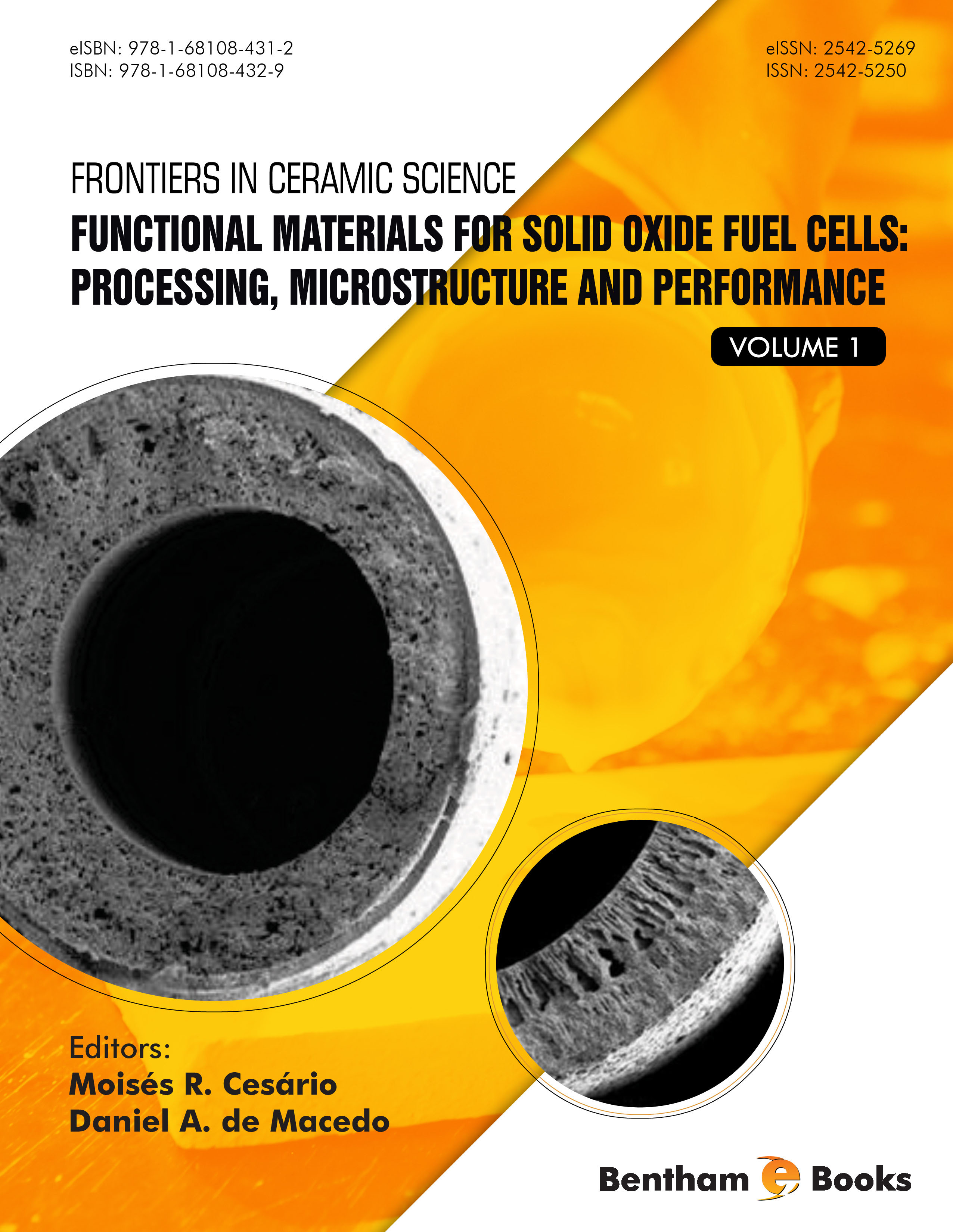
Functional Materials for Solid Oxide Fuel Cells: Processing, Microstructure and Performance
Frontiers in Ceramic Science: Volume 1
More LessFrontiers in Ceramic Science highlights the importance of ceramics and their applications in different fields such as manufacturing, construction, engineering, energy and much more. Each volume of the series brings a themed focus on a specific topic with contributions from experts around the world. The series is essential reading for materials science researchers interested in current developments in ceramic manufacturing and applications.
Solid Oxide Fuel Cells (SOFCs) have received great attention among researchers in the past few decades due to their high electrochemical energy conversion efficiency, environmental friendliness, fuel flexibility and wide range of applications. This volume is a contribution from renowned researchers in the scientific community interested in functional materials for SOFCs. Chapters in this volume emphasize the processing, microstructure and performance of electrolyte and electrode materials. Contributors review the main chemical and physical routes used to prepare ceramic/composite materials, and explain a variety of manufacturing techniques for electrode and electrolyte production and characterization. Readers will also find information about both symmetrical and single fuel cells. The book is a useful reference for students and professionals involved in SOFC research and development.
-
-
-
Functional Molecular Imaging In Hepatology
More LessThe eBook discusses how the special physiology of the liver must be considered when applying functional molecular imaging in hepatology. The main topics of the eBook include the clinical and scientific use and possibilities of functional molecular imaging for investigations of hepatic blood perfusion, substrate metabolism, and biliary secretion as well as for cancer diagnostics (primary and secondary liver cancers). Functional imaging of changes in cerebral blood perfusion and metabolism in patients with liver diseases is also covered. The eBook is written by internationally renowned experts and is intended for everyone who is interested in hepatology or functional molecular imaging.
-