


Bentham Science Publishers
Bentham Science Publishers is a major publisher of more than 100 peer-reviewed science, technology and medical (STM) journals, along with a rapidly growing collection of eBooks. Since 1993, Bentham Science Publishers has been catering to the information needs of the pharmaceutical, engineering, biomedical and medical research community.61 - 80 of 1987 results
-
-

Advanced Materials and Nano Systems: Theory and Experiment (Part 3)
More LessThe discovery of new materials and the manipulation of their exotic properties for device fabrication is crucial for advancing technology. Nanoscience, and the creation of nanomaterials have taken materials science and electronics to new heights for the benefit of mankind. Advanced Materials and Nanosystems: Theory and Experiment covers several topics of nanoscience research. The compiled chapters aim to update readers by highlighting modern developments in materials science theory and experiments. The significant role of new materials in future technology is also demonstrated. The book serves as a reference for curriculum development in technical institutions and research programs in the field of physics, chemistry and applied areas of science like materials science, chemical engineering and electronics.
This part covers 11 topics in these areas:
1- Role of Plasmonic Metal-semiconductor Heterostructure in Photo Catalytic Hydrolysis and Degradation of Toxic Dyes
2 -BaZrO3-Based Ceramics and Ceramic Composites as Smart Materials for Advanced Applications
3 -A High-capacity Anode Material for Lithium-ion Batteries is Sili-graphene Type SiC3
4 -An Introduction to the Fabrication of White Light-emitting Diodes
5 -Electronic and Piezoelectric Properties of Nonmetal Doped II-VI Monolayer Compounds
6- A Theoretical Investigation on the New Quaternary MAX-phase Compounds
7- Surface Segregation in Pt 3 Nb and Pt 3 Ti using Density Functional-based Methods.
8- Nanoparticles and Environmental Health
9 -Investigation for Optimum site for adsorption and population effect of Lithium on Silicene Monolayer
10- Strategies for Synthesizing Metal Oxide Nanoparticles and the Challenges
11- Heterogeneous Semiconductor Photocatalysis for Water Purification: Basic Mechanism and Advanced Strategies
-
-
-
Advanced Materials and Nanosystems: Theory and Experiment - Part 1
More LessThe discovery of new materials and the manipulation of their exotic properties for device fabrication is crucial for advancing technology. Nanoscience and the creation of nanomaterials have taken materials science and electronics to new heights for the benefit of mankind. Advanced Materials and Nanosystems: Theory and Experiment cover several topics of nanoscience research. The compiled chapters aim to update students, teachers, and scientists by highlighting modern developments in materials science theory and experiments. The significant role of new materials in future technology is also demonstrated. The book serves as a reference for curriculum development in technical institutions and research programs in the field of physics, chemistry, and applied areas of science like materials science, chemical engineering, and electronics. This part covers 12 topics in these areas: - Carbon and boron nitride nanostructures for hydrogen storage applications - Nanomaterials for retinal implants - Materials for rechargeable battery electrodes - Cost-effective catalysts for ammonia production - The role of nanocomposites in environmental remediation - Optical analysis of organic and inorganic components - Metal-oxide nanoparticles - Mechanical analysis of orthopedic implants - Advanced materials and nanosystems for catalysis, sensing, and wastewater treatment - Topological Nanostructures - Hollow nanostructures
-
-
-
Advanced Materials and Nanosystems: Theory and Experiment - Part 2
More LessThe discovery of new materials and the manipulation of their exotic properties for device fabrication is crucial for advancing technology. Nanoscience, and the creation of nanomaterials have taken materials science and electronics to new heights for the benefit of mankind.Advanced Materials and Nanosystems: Theory and Experiment covers several topics of nanoscience research. The compiled chapters aim to update students, teachers, and scientists by highlighting modern developments in materials science theory and experiments. The significant role of new materials in future technology is also demonstrated. The book serves as a reference for curriculum development in technical institutions and research programs in the field of physics, chemistry and applied areas of science like materials science, chemical engineering and electronics.
This part covers 12 topics in these areas:
- Recent advancements in nanotechnology: a human health Perspective.
- An exploratory study on characteristics of SWIRL of AlGaAs/GaAs in advanced bio based nanotechnological systems.
- Electronic structure of the half-Heusler ScAuSn, LuAuSn and their superlattice.
- Recent trends in nanosystems.
- Improvement of performance of single and multicrystalline silicon solar cell using low-temperature surface passivation layer and antireflection coating.
- Advanced materials and nanosystems.
- Effect of nanostructure-materials on optical properties of some rare earth ions doped in silica matrix.
- Nd2Fe14B and SmCO5: a permanent magnet for magnetic data storage and data transfer technology.
- Visible light induced photocatalytic activity of MWCNTS decorated sulfide based nano photocatalysts.
- Organic solar cells. - Neodymium doped lithium borosilicate glasses.
- Comprehensive quantum mechanical study of structural features, reactivity, molecular properties and wave function-based characteristics of capmatinib.
-
-
-
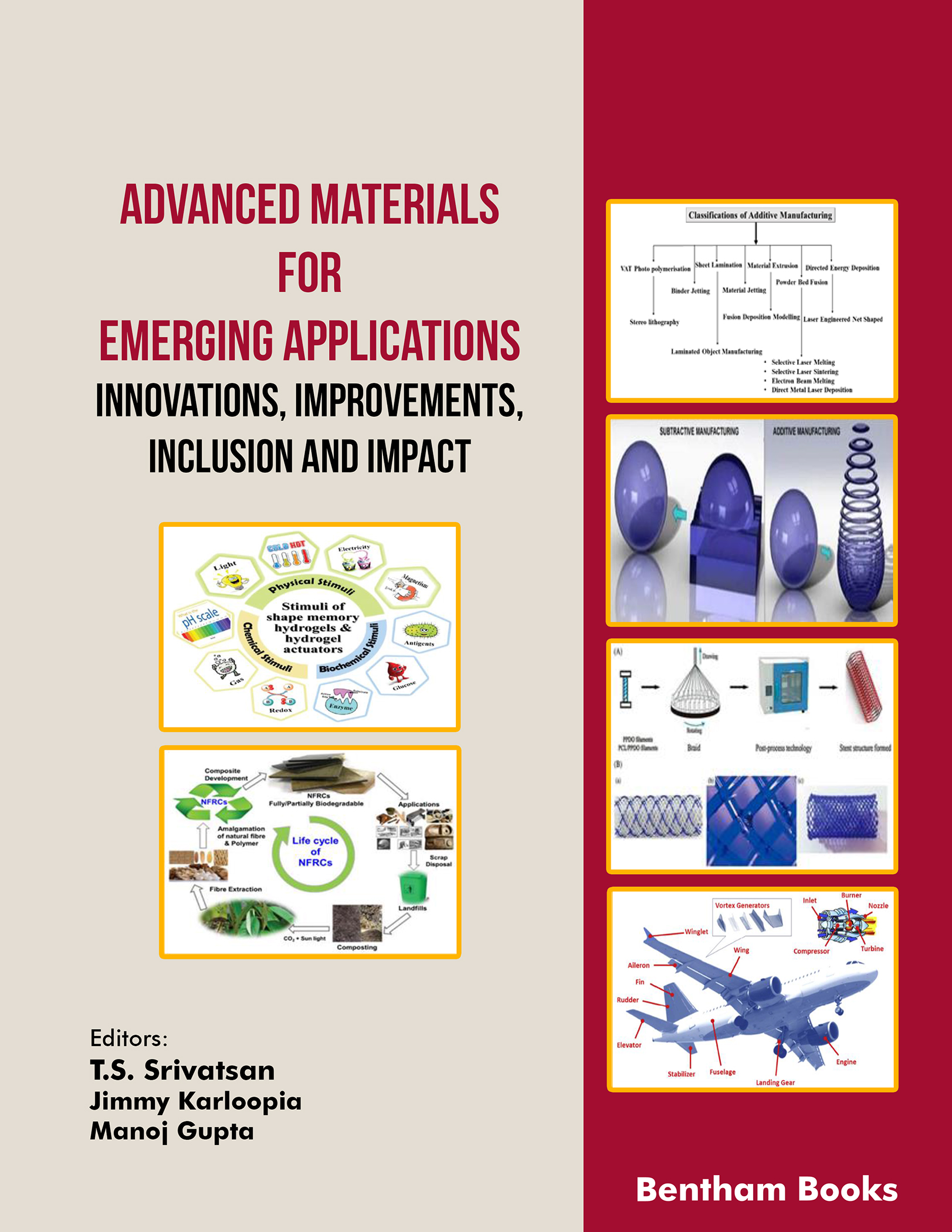
Advanced Materials for Emerging Applications (Innovations, Improvements, Inclusion and Impact)
More LessAdvanced Materials for Emerging Applications is a monograph on emerging materials'; materials that have observable differences in physical properties and manufacturing requirements when compared to existing materials and industrial processes. The volume aims to showcase novel materials that can be used in advanced technology and innovative products.
The editors have compiled 17 chapters grouped into 3 sections: 1) Metals and Alloys, 2) Composite materials, and 3) Other materials. Chapters 1-5 discuss recent advances in friction stir welding, suitability of nickel-base shape memory alloys, thermal cycling studies of nickel-based shape memory alloys, nitrogen additions to stainless steel, and the evolution of zirconium alloy. Chapters 6-11 cover topics such as additive manufacturing of metal matrix composites, composite materials for biomedical applications, aluminum and magnesium metal matrix composites, aluminum nanocomposites for automobile applications, enhancing the strength of aluminum-boron carbide composites, and sisal fibers reinforced composites. Lastly, chapters 13-17 explore smart hydrogels, engineered iron-oxide nanomaterials for magnetic hyperthermia, emerging sustainable material technology for fire safety, recent advances in unconventional machining of smart alloys, and critical parameters influencing high-strain rate deformation of materials.
This monograph provides information for a broad readership including material and manufacturing engineers, researchers, students (at undergraduate levels or above) and entrepreneurs interested in manufacturing new products.
-
-
-
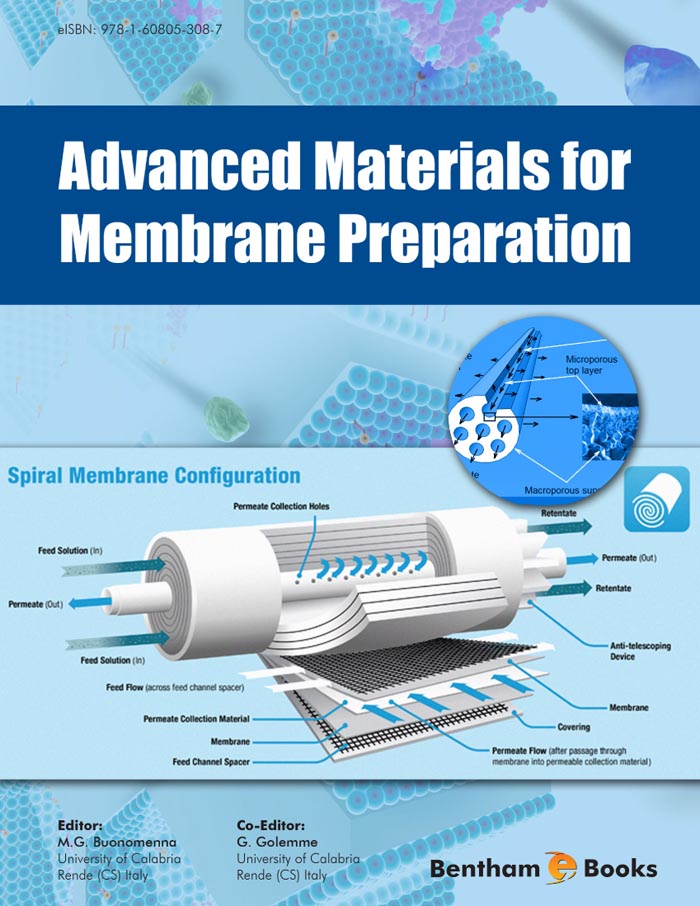
Advanced Materials for Membrane Preparation
More LessThe need to reduce pollution and the waste of energy and resources imposes a wider diffusion of environmentally friendly membrane systems. The expanding domain of membrane operations demands tailored materials with unprecedented performances and resistance to temperature, chemicals and solvents, at affordable costs. Today, new polymeric, inorganic and hybrid materials are specifically engineered for the preparation of advanced membranes for industrial applications.
This e-book gives readers an overview of the state-of-the-art materials science of synthetic membranes. Membranes for natural gas treatment, separation of organics, fuel cells, high and low temperature catalytic membrane reactors are some of the subjects covered by this volume.
This e-book will be of interest to specialists in membrane science and technology, as well as for graduate students and researchers in chemical engineering, chemistry and materials science, both in the industry and in the academy.
-
-
-
Advanced Mathematical Applications in Data Science
More LessAdvanced Mathematical Applications in Data Science comprehensively explores the crucial role mathematics plays in the field of data science. Each chapter is contributed by scientists, researchers, and academicians. The 13 chapters cover a range of mathematical concepts utilized in data science, enabling readers to understand the intricate connection between mathematics and data analysis. The book covers diverse topics, including, machine learning models, the Kalman filter, data modeling, artificial neural networks, clustering techniques, and more, showcasing the application of advanced mathematical tools for effective data processing and analysis. With a strong emphasis on real-world applications, the book offers a deeper understanding of the foundational principles behind data analysis and its numerous interdisciplinary applications. This reference is an invaluable resource for graduate students, researchers, academicians, and learners pursuing a research career in mathematical computing or completing advanced data science courses.
Key Features:
- Comprehensive coverage of advanced mathematical concepts and techniques in data science
- Contributions from established scientists, researchers, and academicians
- Real-world case studies and practical applications of mathematical methods
- Focus on diverse areas, such as image classification, carbon emission assessment, customer churn prediction, and healthcare data analysis
- In-depth exploration of data science's connection with mathematics, computer science, and artificial intelligence
- Scholarly references for each chapter - Suitable for readers with high school-level mathematical knowledge, making it accessible to a broad audience in academia and industry.
-
-
-
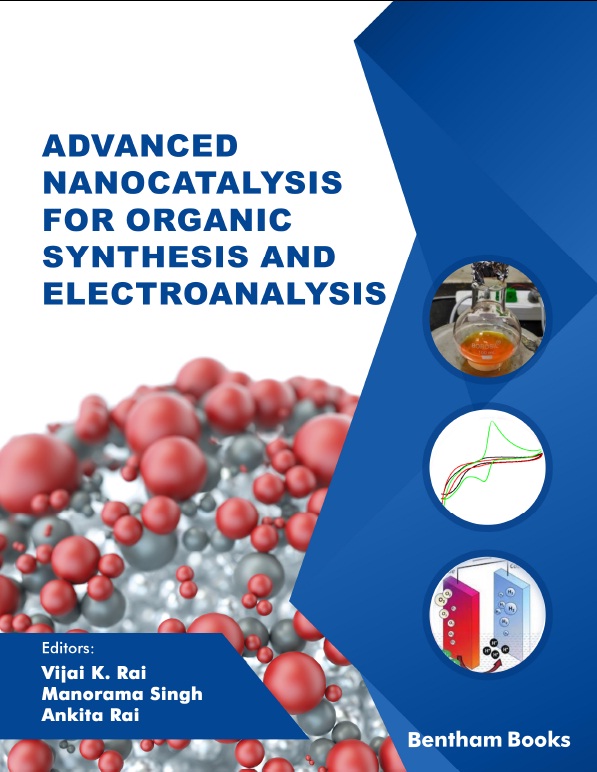
Advanced Nanocatalysis for Organic Synthesis and Electroanalysis
More LessThis technical reference covers information about modern nanocatalysts and their applications in organic syntheses, electrochemistry and nanotechnology. The objective of this book is to present a review of the development of nanocatalysts in the fields of organic synthesis and electroanalysis over the last few decades. It provides readers comprehensive, systematic and updated information about the relevant topics. The reader is introduced to nanocatalysts, with the following chapters delving into the different chemical reactions in which they are involved. The topics covered include: carbon-carbon coupling reactions, aryl and organic carbon hetero atom coupling reactions, oxidation-reduction reactions, photocatalysis, heterocyclic reactions and multicomponent catalysis. The concluding chapters cover applications of nanocatalysts in electrochemical synthesis and sensing. The thirteen chapters demonstrate the value of a variety of catalysts that are important in chemical engineering processes.
Advanced Nanocatalysis for Organic Synthesis and Electroanalysis delivers a quick and accessible reference on advanced nanocatalysis for a broad range of readers which includes graduate, postgraduate and Ph. D. students of chemical engineering as well as faculty members, research and development (R&D) personnel working in the industrial chemistry sector.
-
-
-
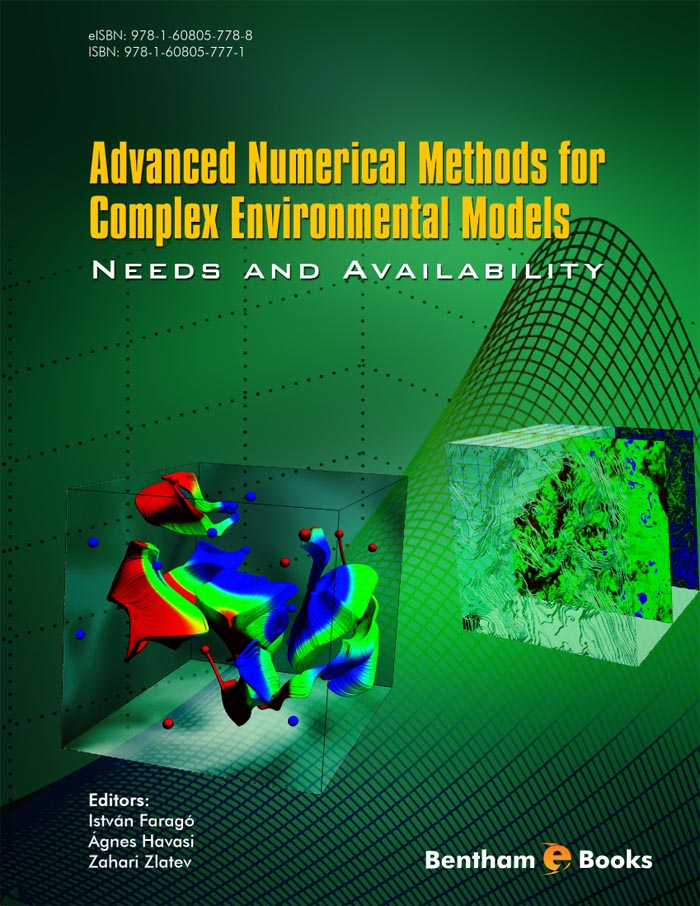
Advanced Numerical Methods for Complex Environmental Models: Needs and Availability
More LessHigh air pollution levels pose a significant threat to plants, animals and human beings. Efforts by researchers are directed towards keeping air pollution levels below well defined ‘critical‘ levels in order to maintain a sustainable atmosphere and environmental system. The application of advanced mathematical models is important for researchers to achieve this goal as efficiently as possible. Mathematical models can be used to predict answers to many important questions about the environment. This application comes with several complex theoretical and practical obstacles which need to be resolved. A successfully applicable mathematical model needs to enable researchers to
Mathematically describe all important physical and chemical processes.
Apply fast and sufficiently accurate numerical methods.
Ensure that the model runs efficiently on modern high speed computers.
Use high quality input data, both meteorological data and emission inventories, in the runs.
Verify the model results by comparing them with reliable measurements taken in different parts of the spatial domain of the model.
Carry out long series of sensitivity experiments to check the response of the model to changes of different key parameters.
Visualize and animate the output results in order to make them easily understandable even to non-specialists.
This monograph thoroughly describes mathematical methods useful for various situations in environmental modeling including finite difference methods, splitting methods, parallel computation, etc. and provides a framework for resolving problems posed in relation to the points listed above. Chapters are written by well-known specialists making this book a handy reference for researchers, university teachers and students working and studying in the areas of air pollution, meteorology, applied mathematics and computer science.
-
-
-
Advanced Pharmaceutical and Herbal Nanoscience for Targeted Drug Delivery Systems Part I
More LessThis 2-part reference informs readers about the application of drug delivery technologies to herbal medicines. Chapters cover a broad range of major topics on the subject of targeted drug delivery systems. These topics include the application of drug delivery systems for herbal nanomedicines, drug development issues, emerging technologies, adaptations for clinical use, market prospects and challenges of industrial commercialization. Chapters have been contributed by several experts in pharmaceutical chemistry and blend theoretical knowledge with practical aspects of drug delivery.
Part I covers the following topics:
- Introduction to nanotechnology and herbal-based nanoparticulate systems
- Nucleic acid-based therapeutic drug delivery systems
- Herbal bioactives: a booster dose for advanced pharmaceutical nanoscience
- Pulmonary nano-drug delivery systems
- Application of nano-drug delivery systems in improving the therapeutic efficacy of bioactive natural products
- PEGylated liposomes
- Insulin liposomes
- Aquasomes: a promising novel drug carrier
- Nanoparticle-aided herbal drugs: therapeutic implications on cholinergic dysfunction with relevance to Alzheimer's disease
- Vitamins based nanomedicine approach
- Recent advances in tumor targeting drug delivery systems: fundamentals of advanced pharmaceutical nanoscience
- Niosomes: a revolutionary progress in the field of pharmaceutical sciences
- Infectious diseases: pharmaceutical nanoscience for targeted drug delivery
-
-
-
Advanced Pharmaceutical and Herbal Nanoscience for Targeted Drug Delivery Systems Part II
More LessThis 2-part reference informs readers about the application of drug delivery technologies to herbal medicines. Chapters cover a broad range of major topics on the subject of targeted drug delivery systems. These topics include the application of drug delivery systems for herbal nanomedicines, drug development issues, emerging technologies, adaptations for clinical use, market prospects and challenges of industrial commercialization. Chapters have been contributed by several experts in pharmaceutical chemistry and blend theoretical knowledge with practical aspects of drug delivery.
Part II covers the following topics:
- Pharmaceutical nanosciences and their application in the delivery of various phytoconstituents
- Design of cosmeceutical drug delivery systems: the role of nanotechnology in cosmeceuticals
- Transfersomes: a novel vesicular transdermal delivery system
- Self-nano/micro emulsified drug delivery systems
- Phytosomes
- The role of nanomedicines in ocular drug delivery systems
- Colloidosomes as an efficient novel drug delivery system: an update
- Herbal nanoscience: challenges and regulatory perspectives
- Vitamins based nanomedicine approach
- Dendrimers: a versatile nanoplatform for advanced targeting and bioactive(s) delivery
- Targeted drug delivery systems for cells and cell organelles
- Liposomes for herbal drug delivery
- AI in pharmacy, herbal medicine and drug delivery: sci-fi or reality?
-
-
-
Advanced Pharmacy
More LessAdvanced Pharmacy is a textbook dedicated to advanced applications in pharmacy. The book balances information by including chapters that give basic knowledge and inform readers on the latest insights in pharmaceutical science. Authored by pharmacology experts and academics, each chapter highlights current knowledge in the field, presenting research in a didactic and educational manner for academics, researchers, and students who need to understand pharmacy. Additional features of the book include chapter summaries and references for advanced readers.
Topics:
Physical Pharmacy: Covers foundations of physical pharmacy, providing a solid understanding of the subject.
Preformulation Studies: examines active pharmaceutical ingredient-excipent compatibility studies, a crucial aspect of drug formulation.
Medicinal Chemistry Applications: explores medicinal chemistry applications using QSAR/QSPR theory.
Computer-assisted Study: explains computer-assisted studies with the example of garlic organosulfur as an antioxidant agent.
Enzymes in Biocatalysis: sheds light on enzyme characteristics, kinetics, production, and applications in biocatalysis.
Antifungal Agents: provides insights into antifungal agents and their significance.
Polysaccharides in Drug Delivery: explores the use of naturally and chemically sulfated polysaccharides in drug delivery systems.
Immunomodulatory Plant Extracts: covers the evaluation of safety and benefits of immunomodulatory plant extracts.
Biofilms and Persistent Cells: examines the development, causes, and consequences of biofilms and persistent cells.
Analytical Methods for Drug Analysis: focuses on the development of analytical methods for analyzing drugs of abuse using experimental design.
Steric Exclusion Chromatography: discusses steric exclusion chromatography, including chromatography of polymers in aqueous solutions.
Intrinsic Viscosity Methods: explores intrinsic viscosity methods in natural polymer pharmaceutical excipients.
Extraction Techniques in Green Analytical Chemistry: highlight environment-firendly techniques in analytical chemistry.
Advanced Pharmacy is a comprehensive resource that bridges the gap between pharmaceutical research and practice, offering invaluable insights into the latest developments in the field. This textbook serves as an essential reference for both learners and scholars in basic and advanced courses in pharmacy and pharmaceutical science.
-
-
-
Advanced Physical Chemistry Practical Guide
More LessAdvanced Physical Chemistry Practical Guide aims to improve the student's understanding of theory through practical experience and by facilitating experimental exercises. The book covers a wide range of areas from basic to advanced experiments including the calibration of instruments as well as the use of software for accurate computational quantum chemical calculations.
This book is divided into four sections:
part I - general introduction, calibration of glassware, instruments and precautions
part II - experiments that have a simple theoretical background and classical methods
part III - experiments that are associated with more advanced theory, and technique that require a greater degree of experimental skill and instrumentation
part IV - investigative experiments relying on computers
Covering all aspects of classical, advanced and computational chemistry experiments, Advanced Physical Chemistry Practical Guide will enable students to gain confidence in their ability to perform a physical chemistry experiment and to appreciate the value of an experimental approach towards the subject. Advanced Physical Chemistry Practical Guide is an essential handbook for students and teachers at advanced levels who seek to learn practical knowledge about important aspects of physical chemistry.
-
-
-
Advanced Techniques of Analytical Chemistry: Volume 1
More LessAdvanced Techniques of Analytical Chemistry explains analytical chemistry in an accessible manner for students. The book provides basic and practical knowledge that helps the learner to understand the methods used in conducting experiments. Readers will understand the key concepts of qualitative and quantitative analysis through easy-to-read chapters written for chemistry students.
Volume 1 covers the topic of volumetric analysis in detail. Topic-wise chapters introduce the reader to volumetric titrations and then explain the range of titration techniques which include aqueous acid-base titration, non-aqueous titration, redox titration, complexometric titration and some miscellaneous methods like diazotisation titration, Kjeldahl's method and the oxygen flask combustion method.
The combination of basic and advanced methods makes this an ideal textbook for chemistry students at graduate and undergraduate levels as well as an ideal handbook for the laboratory instructor.
-
-
-
Advanced Technologies
Contemporary Endoscopic Spine Surgery: Volume 3
More LessContemporary Endoscopic Spine Surgery brings the reader the most up-to-date information on the endoscopy of the spine. Key opinion leaders from around the world have come together to present the clinical evidence behind their competitive endoscopic spinal surgery protocols. Chapters in the series cover a range of aspects of spine surgery including spinal pain generators, preoperative workup with modern independent predictors of favorable clinical outcomes with endoscopy, anesthesia in an outpatient setting, management of complications, and a fresh look at technology advances in a historical context. The reader will have a first-row seat during the illustrative discussions of expanded surgical indications from herniated disc to more complex clinical problems, including stenosis, instability, and deformity in patients with advanced degenerative disease of the human spine. Contemporary Endoscopic Spine Surgery is divided into three volumes: Cervical Spine, Lumbar Spine, and Advanced Technologies to capture an accurate snapshot in time of this fast-moving field. It is intended as a comprehensive go-to reference text for surgeons in graduate residency and postgraduate fellowship training programs and for practicing spine surgeons interested in looking for the scientific foundation for expanding their clinical practice towards endoscopic surgery.
This volume (Advanced Technologies) covers the following endoscopic spine surgery topics in 19 detailed chapters: endoscopic intradiscal therapy and foraminoplasty, evidence based medicine in spine surgery, artificial intelligence for spine surgery, postoperative management, transforaminal lumbar endoscopy and associated complications, laser applications in full endoscopy of the spine, high frequency surgery for the treatment of herniated discs, lumbar MRI, cost and maintenance management of endoscopic spine systems, regenerative medicine, interbody fusion, endoscopic intravertebral canal decompression after spinal fracture, treatment of lumbar tuberculosis, treatment of degenerative scoliosis, treatment of thoracic meningioma with spinal canal decompression, and cervical endoscopic unilateral laminotomy for bilateral decompression (CE-ULBD).
-
-
-

Advanced Technologies for Realizing Sustainable Development Goals: 5G, AI, Big Data, Blockchain, and Industry 4.0 Application
More LessAdvanced Technologies for Realizing Sustainable Development Goals: 5G, AI, Big Data, Blockchain, and Industry 4.0 Applications explores the intersection of cutting-edge technologies and their role in achieving the United Nations Sustainable Development Goals (SDGs). This book covers diverse topics, including energy-efficient cities, smart healthcare systems, blockchain for social empowerment, and sustainable agriculture. It explores the impact of 5G, AI, machine learning, and cybersecurity on smart cities, industry, and healthcare, providing valuable insights for sustainable development.
Key Features:
- Highlights the role of advanced technologies like 5G, AI, and blockchain in achieving SDGs
- Provides case studies on smart cities, healthcare, and agriculture
- Examines emerging issues in cybersecurity and sustainability
- Offers insights into Industry 4.0 tools and their applications
This book is essential for those seeking to understand how emerging technologies can drive global sustainability efforts.
-
-
-
Advanced Technologies for Science and Engineering
Intelligent Technologies for Research and Engineering: Volume 2
More LessThis volume covers a wide array of topics related to research, technology and sustainability for technology researchers and educators. Chapter 1 explores the detection of fake news in a distributed environment. Material science is covered in Chapter 2, which explains the influence of MOS2, B4C, and graphite on the mechanical and dry sliding wear behavior of aluminum 7075 hybrid matrix composites. Chapter 3 focuses on sensors and antennas for smart sensor networks. Chapters 4 to 8 delve into various aspects of electrical and computer engineering, including induction motor condition monitoring, automatic conversion of building plans to graphs for robot navigation, and analysis of defects in microscopic and electroluminescent images using AI and image processing algorithms.
Chapters 9 to 16 cover topics such as missing data prediction techniques, breast cancer diagnosis on mammography, groundwater contamination, biofertilizers, organic farming, and remediation using organisms. Sustainable development is a key theme in Chapters 17 to 26, addressing issues like sensor-based vehicle fuel theft detection, waste management techniques, bioremediation of soil contaminated with heavy metals, sustainable agriculture practices, and novel approaches in bioplastics and nanoremediation. Finally, Chapters 27 to 29 touch upon renewable energy and Industrial IoT, discussing research challenges in renewable energy sources, recent trends, and the transformation brought about by the Industrial Internet of Things.
-
-
-

Advanced Topics in Defense Project Management
Handbook of Defense Project Management: Volume 2
More LessThe Handbook of Defense Project Management equips readers with the knowledge, frameworks, and practical tools necessary to navigate the complexities of modern defence initiatives. The book provides a comprehensive, authoritative guide to managing defence projects in today's rapidly evolving professional environment, where technology and security are key aspects.
Topics covered include project planning, decision-making, stakeholder engagement, contract and program management, agile methodologies, and technology integration. The book also explores advanced challenges such as procurement complexity, supply chain resilience, model-based systems engineering, leadership, education initiatives, and the use of combat simulations for operational effectiveness. Real-world case studies, including NATO collaborations and academia-industry-defence partnerships, illustrate best practices and actionable strategies.
Key Features:
Combines foundational knowledge with advanced, specialised topics in defence project management.
Brings about a multidisciplinary approach bridging management, technology, and strategy.
Provides practical frameworks, tools, and real-world case studies to enhance project success.
Gives a global perspective with contributions from leading defence scholars and practitioners.
-
-
-

Advanced Topics on Three-dimensional Ultrasound in Obstetrics and Gynaecology
More LessAdvanced Topics on Three-Dimensional Ultrasound in Obstetrics and Gynecology is a comprehensive and handy guide for sonographers, obstetricians, gynecology and radiology professionals, and all technicians working in ultrasound laboratories who are interested in taking advantage of all the resources provided by this imaging technique.
The book is divided in three sections which give information on a variety of relevant topics:
• Three-Dimensional Ultrasound Instrumentation and Technology. This section explains different ultrasound methods that can be used for three-dimensional imaging. It is complemented by a discussion on how to use the techniques in telemedicine.
• The Use of Three-Dimensional Ultrasound During Pregnancy. This section explains the methods used to assess fetal organs, behavior and defects during different stages of pregnancy.
• The Use of Three-Dimensional Ultrasound When Evaluating Female Reproductive Physiology. This section covers diagnostic procedures for ovarian and uterine abnormalities and neoplasms.
-
-
-

Advanced Wireless Communication Systems: A Comprehensive Guide
More LessAdvanced Wireless Communication Systems: A Comprehensive Guide bridges foundational principles with emerging paradigms to present a unified and in-depth exploration of the technologies, architectures, and innovations shaping contemporary and next-generation wireless networks.
Opening with an overview of wireless technology evolution, the book discusses global standards and regulatory frameworks for wireless networks while also systematically exploring wireless channel modelling, simulation methodologies, and a wide range of network architectures, including cellular networks, Wi-Fi, Bluetooth, Zigbee, LoRaWAN, and IoT connectivity frameworks. Advanced physical-layer and system-level technologies such as MIMO, OFDM, millimetre-wave, terahertz communication, and free-space optical systems are examined in detail, along with critical security and privacy challenges in modern wireless networks.
Later chapters focus on future-facing innovations, including massive MIMO, beamforming, cognitive radio, dynamic spectrum access, and vehicular communication systems. The book culminates with cutting-edge topics such as machine-learning-driven network slicing, latency optimisation for ultra-reliable low-latency communications (URLLC), and noncoherent system design targeting 6G-class applications.
Key Features
- Comprehensive coverage from wireless communication fundamentals to cutting-edge technologies
- An integrated perspective on wireless communication methods combining theory, simulation methods, and practical case studies
- Dedicated chapters on AI-enabled optimisation, cognitive radio, and URLLC
- Clear illustrations, comparative analyses, and real-world application insights
-
-
-

Advancements in Artificial Intelligence and Machine Learning
More LessArtificial Intelligence (AI) and Machine Learning (ML) are revolutionizing industries, reshaping the way we interact with technology, and driving innovation across multiple disciplines. Advancements in Artificial Intelligence and Machine Learning is a comprehensive exploration of the latest developments, applications, and challenges in AI and ML, offering insights into cutting-edge research and real-world implementations.
This book is a collection of twelve chapters, each exploring a distinct application of Artificial Intelligence (AI) and Machine Learning (ML). It begins with an overview of AI's transformative role in Next-Gen Mechatronics, followed by a comprehensive review of key advancements and trends in the field. The book then examines AI's impact across diverse sectors, including energy, digital communication, and security, with topics such as AI-based aging analysis of power transformer oil, AI in social media management, and AI-driven human detection systems.
Further chapters address sentiment analysis, visual analysis for image processing, and the integration of AI in smart grid networks. The volume also covers AI applications in hardware security for wireless sensor networks, drone robotics, and crime prevention systems. The final set of chapters highlight AI's role in healthcare and automation, including an AI-assisted system for women's safety in India and the use of EfficientNet B0 CNN architecture for brain tumor detection and classification. Together, these chapters showcase the versatility and growing influence of AI and ML across critical modern industries.
Key features
A multidisciplinary approach covering AI applications in robotics, cybersecurity, healthcare, and digital transformation in 12 organized chapters.
A focus on contemporary challenges and solutions in AI and ML across industries.
Research-driven insights from experts and practitioners in the field.
Practical discussions on AI-driven automation, security, and intelligent decision-making systems.
-